
Wicker Park patio furniture sets are genuinely worth considering, but only if you go in with clear expectations. They use powder-coated aluminum frames with PE resin wicker weave, pair that with high-density quick-dry foam cushions, and back the frame with a two-year limited warranty. That puts them on solid footing against mid-range competitors at most price points. That said, 'wicker patio furniture' is a broad category spanning flimsy steel-framed imports all the way up to premium sets with Sunbrella fabric and HDPE lumber accents, so knowing how to read the specs before you buy is what separates a great backyard setup from a disappointing pile of sagging cushions.
Wicker Patio Furniture Reviews: Wicker Park Sets Tested

Grant Hollis
2 Jun 2026
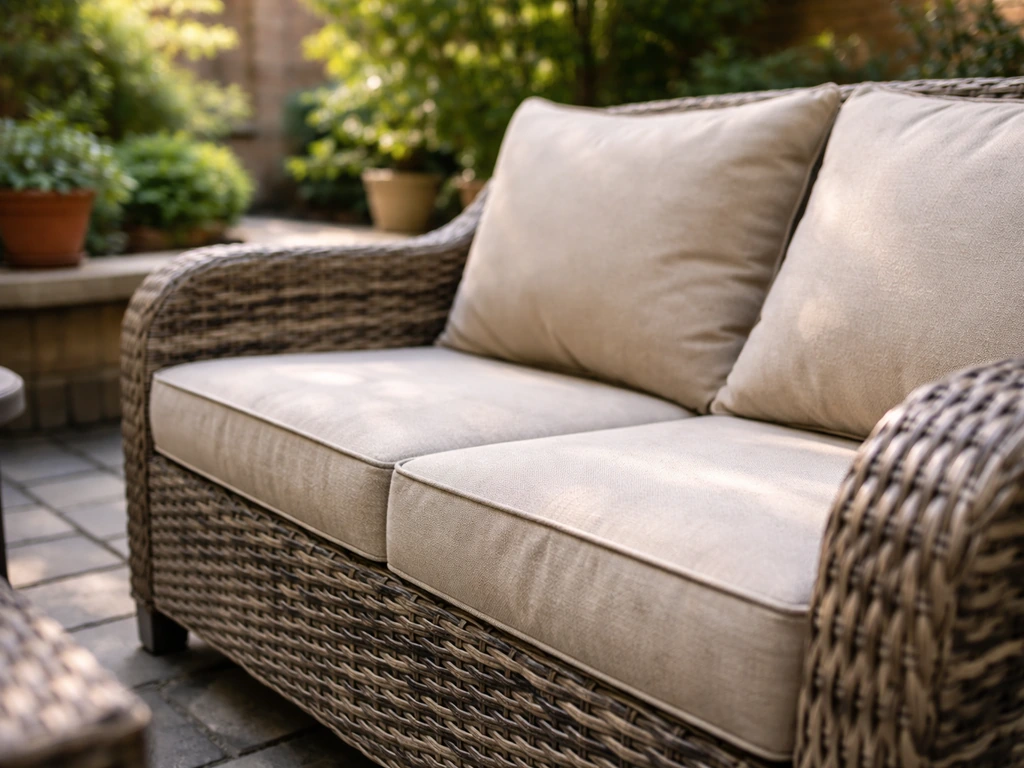
What actually matters in wicker patio furniture
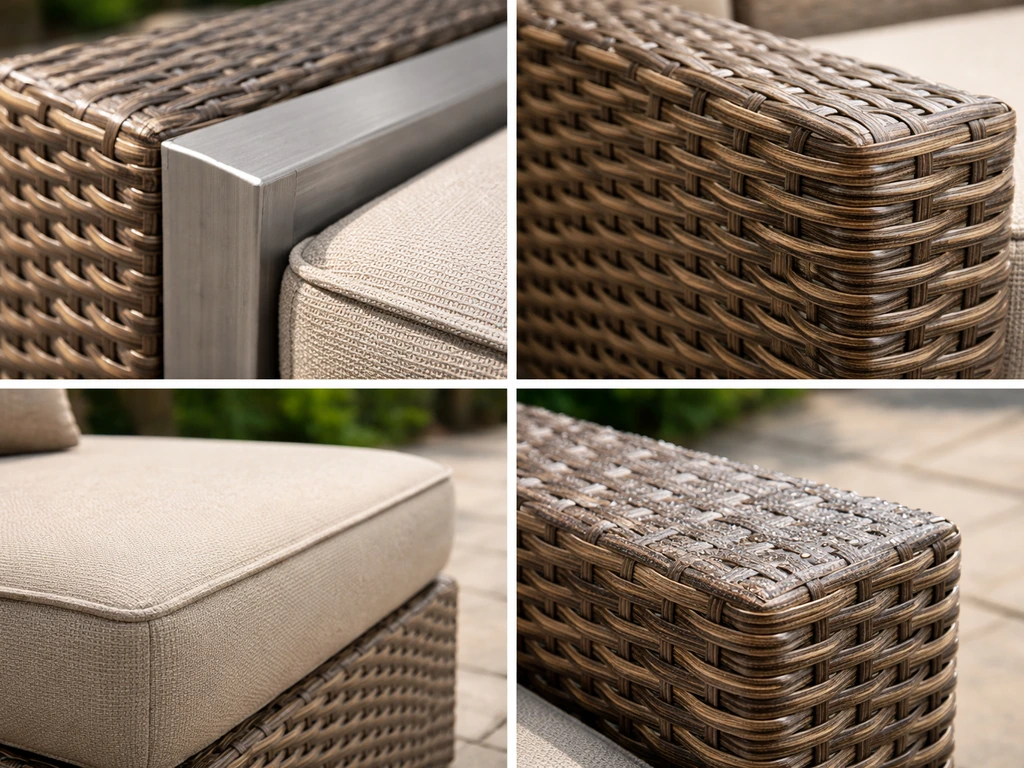
Most people focus on looks first and regret it by season two. The checklist below is what I run through before recommending any set, whether it's Wicker Park, a big-box store brand, or a direct-to-consumer manufacturer.
- Frame material: Aluminum is the gold standard for outdoor use because it doesn't rust and stays lightweight. Steel frames cost less but need thick powder coating to survive moisture, and even then they can corrode at joints. Always confirm which metal you're getting.
- Weave material and density: High-Density Polyethylene (HDPE) and PVC wicker are the two synthetic options worth buying for outdoor use. HDPE is UV-stabilized, less brittle in cold weather, and holds color longer. Tight, even weaving with no visible gaps or loose ends signals better construction.
- Cushion quality: Look for high-density quick-dry foam with a rating of at least 1.8 lb density. Thin cushions compress within one summer. Cushion covers made from Sunbrella or equivalent solution-dyed acrylic fabric resist fading and mold far better than polyester.
- Hardware: Stainless steel or zinc-plated hardware at every joint. Cheap hardware rusts and leaves brown streaks across your furniture.
- Comfort and ergonomics: Seat depth, back angle, and armrest height matter more than photos suggest. A sofa with a 23-inch seat depth feels like you're sitting on the floor; 25 to 27 inches is more usable for most adults.
- Design and proportions: Measure your space before ordering. A five-piece sectional that looks reasonable in a product photo can overwhelm a 10x12 deck.
- Value: Compare cost per piece, not just the set price. A seven-piece set at $900 is not automatically better value than a four-piece set at $650 if the build quality is significantly higher on the latter.
Wicker vs synthetic vs natural: what it actually means for durability
The word 'wicker' describes a weaving technique, not a material. That's a distinction that trips up a lot of buyers. What's woven can be natural rattan, paper rush, seagrass, bamboo, or fully synthetic polymer strands. For outdoor furniture, the material underneath the weave is everything.
Natural wicker
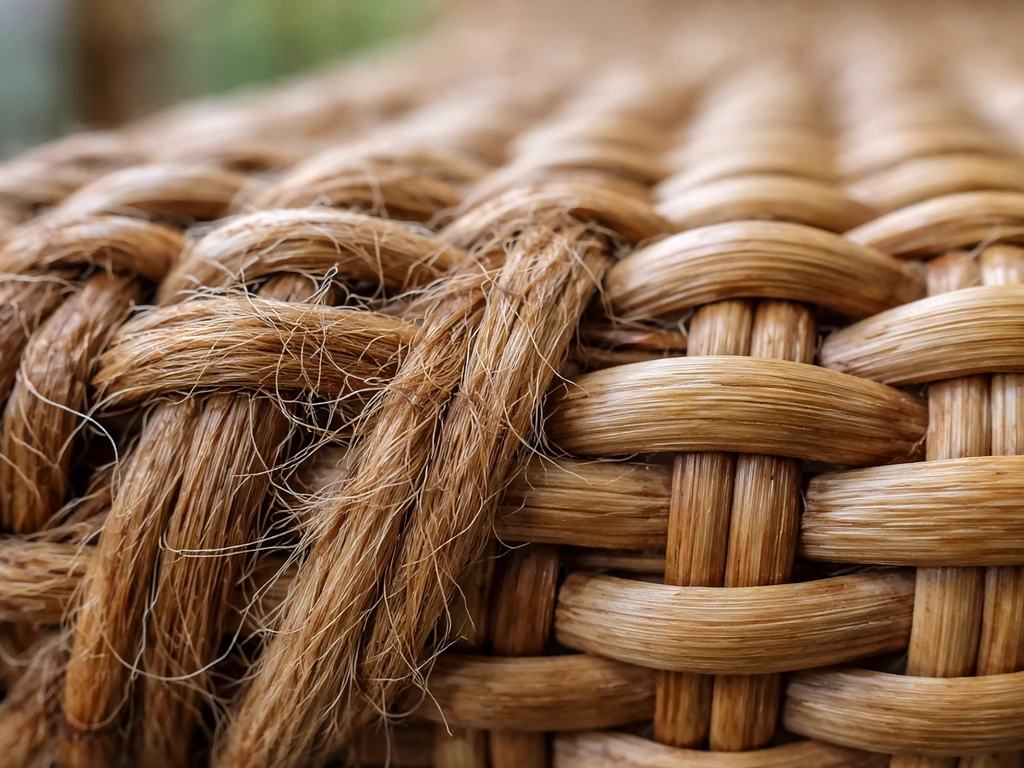
Natural rattan, bamboo, or seagrass wicker looks beautiful on a covered porch but degrades quickly when exposed to rain, humidity, and direct UV light. The fibers absorb moisture, swell, crack, and eventually mold. If you have a fully exposed patio or live anywhere with real weather variation, natural wicker is not an outdoor material. Keep it inside or under a permanent roof with good airflow.
Synthetic resin wicker (PE and PVC)
This is what almost every brand sold for outdoor use today is using, including Wicker Park. PE rattan (polyethylene) is woven over a metal frame, usually aluminum. It doesn't absorb water, resists UV degradation better than natural materials, and can handle freeze-thaw cycles without cracking the way natural fibers do. WickerPark describes PE rattan as low-maintenance and durable, and it also emphasizes that outdoor fabrics should be water-resistant and fade-resistant. HDPE specifically is the higher-grade version: denser, more UV-stable, and more flexible in cold temperatures than standard PE or PVC. WickerPark explicitly recommends buying HDPE or PVC wicker for outdoor use, and their own sets use PE rattan over powder-coated aluminum. That's a reasonable baseline spec.
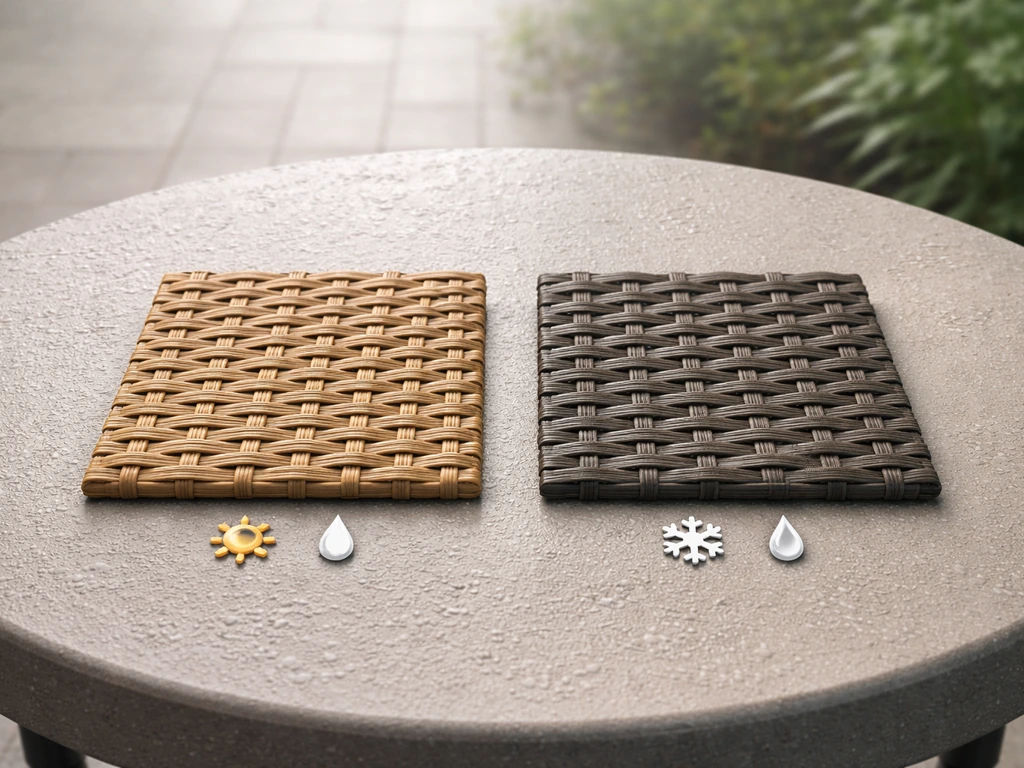
Material comparison at a glance
| Material | Weather Resistance | UV Stability | Cold Climate Performance | Maintenance Level | Typical Lifespan Outdoors |
|---|---|---|---|---|---|
| Natural rattan/bamboo | Poor | Poor | Poor (cracks) | High | 1-3 years exposed |
| PVC wicker | Good | Moderate | Moderate (can stiffen) | Low | 4-6 years |
| PE resin wicker | Very good | Good | Good | Low | 6-10 years |
| HDPE resin wicker | Excellent | Excellent | Excellent | Very low | 10+ years |
When you're reading product listings, look for 'HDPE wicker' or 'all-weather PE resin' in the specs, not just 'resin wicker,' which can mean almost anything. If the listing just says 'wicker' without specifying the polymer, that's a flag worth investigating before buying.
Top sets reviewed: build quality, comfort, and what holds up
I'm breaking this down by tier, from budget entry points up to premium builds, so you can see where Wicker Park sits relative to the broader market. If you want to compare options like a shopper, reading thorough patio furniture reviews such as these can help you spot build-quality differences fast wd patio furniture reviews.
Wicker Park sets
Wicker Park's Toronto collection sits in the mid-to-upper-mid price range and uses rust-proof powder-coated aluminum frames with PE resin wicker, high-density quick-dry foam cushions, and Sunbrella fabric covers. That's a legitimately premium cushion specification. Sunbrella is solution-dyed acrylic, which means the color goes all the way through the fiber rather than sitting on the surface, so it resists fading significantly better than printed polyester.
The two-year limited warranty covers structural frame failures from defects in materials or workmanship, with the option to repair or replace the defective part or the entire item. That's a reasonable coverage window for this price tier. The exclusions are standard: normal fading from sunlight, cushion compression over time, damage from improper cleaners, and sunscreen or oil contamination. Read those exclusions carefully because cushion compression is essentially guaranteed over two or three seasons of regular use regardless of foam quality.
Budget tier ($400 to $700 for a full set)
At this price point you're generally looking at steel frames with thin powder coating, standard PVC or basic PE wicker, and polyester cushion covers with low-density foam. These sets can look good for a season or two, especially on a covered patio or in mild climates. The issues tend to show up at the hardware joints, where rust bleeds through the coating, and in cushion degradation. If you're in a climate with hard winters or intense sun, budget sets typically need replacement within three to four years. They work well for occasional entertaining on a covered space if you store cushions seasonally.
Premium tier ($1,500 and up)
Brands like Woodard use heavy-gauge aluminum or wrought iron frames, tighter commercial-grade weaves, and premium cushion systems. If you're shopping for premium patio seating, it also helps to compare Woodard patio furniture reviews so you can gauge build quality and comfort firsthand. At the top of the category, you're paying for thicker frame walls, better weld quality, and longer warranty coverage. For daily-use patios that stay outdoors year-round, the jump in durability is real.
That said, the aesthetic difference between a well-specced mid-range set and a premium one is often smaller than the price gap suggests. If your priority is Sunbrella cushions and a solid aluminum frame, mid-tier options like Wicker Park give you much of that experience without the full premium markup.
Weather resistance and maintenance: sun, rain, freezing, and storage
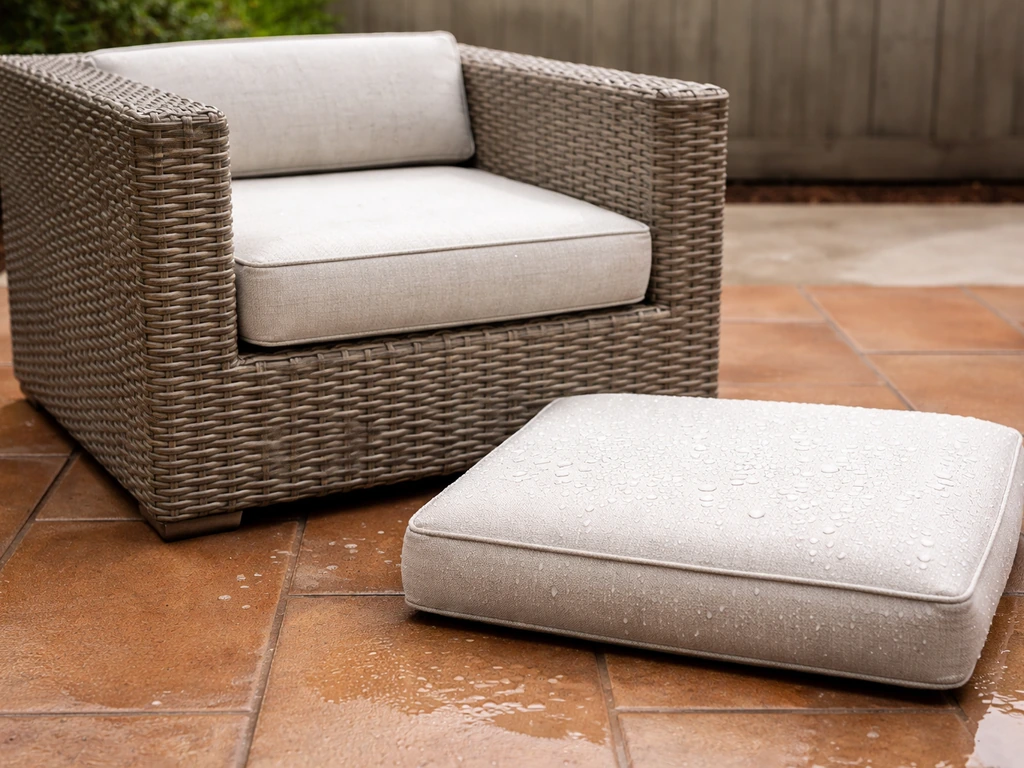
Even quality synthetic wicker needs some attention to last as long as it should. Here's what the weather actually does to these sets and how to manage it.
Sun exposure
UV radiation is the primary enemy of all outdoor furniture. Even HDPE wicker with UV stabilizers will gradually fade and become brittle over many years of full-sun exposure. Powder-coated aluminum holds up better than steel but can chalk over time. Sunbrella and similar solution-dyed fabrics resist fading dramatically better than standard polyester, which is why cushion fabric matters so much. If your patio gets six or more hours of direct sun daily, investing in a quality cushion fabric from the start saves you from replacing cushions every two years. Note that Wicker Park's warranty does not cover normal fading from sunlight, so this is your risk to manage through material choice and care.
Rain and moisture
PE resin wicker frames drain quickly because the weave doesn't retain water the way natural materials do. Aluminum frames don't rust. The vulnerability is usually the cushions: even with quick-dry foam, cushions left in standing water will eventually develop mold in the foam core. If you get significant rainfall, store cushions in a weatherproof bin or bring them inside when not in use. At minimum, stand cushions on edge after rain to let them drain and dry faster.
Freezing temperatures
HDPE wicker handles freeze-thaw cycles well because the polymer stays flexible at low temperatures. PVC can become brittle in hard freezes and crack under stress. For aluminum frames, the concern is water trapped in hollow sections that freezes and expands, which can deform or split weaker frames. If you're in a climate with sustained freezes (zones 5 and below), either store furniture indoors or cover it well and make sure no standing water can collect in frame tubes.
Cleaning and storage
- Wipe down wicker weave monthly during the season with a damp cloth and mild dish soap. A soft brush works for getting into the weave texture.
- Avoid pressure washers directly on wicker weave, they can lift or fray the edges of strands over time.
- Never use bleach-based cleaners, abrasive scrubbers, or solvent-based cleaners on resin wicker or powder-coated frames. WickerPark explicitly voids warranty coverage for damage caused by improper cleaning products.
- Clean cushion covers according to fabric specs. Sunbrella covers can be spot cleaned with mild soap and water; many zip off for deeper cleaning.
- Store cushions in a sealed storage bin or bag during off-season months. Stack frames and cover with a breathable outdoor furniture cover rather than a sealed tarp that traps condensation.
- Hardware joints are the most vulnerable point for rust on any metal frame. Inspect them each spring and touch up any scratches in the powder coat with a matching touch-up paint to prevent moisture intrusion.
Value and pricing: where budget ends and premium begins
Wicker patio furniture pricing spans a wide range, and the difference between a $500 set and a $1,500 set isn't always as dramatic as brands suggest. Here's how the tiers break down honestly.
| Price Tier | Typical Set Price | Frame | Wicker Type | Cushion Fabric | Expected Lifespan | Best For |
|---|---|---|---|---|---|---|
| Budget | $300-$700 | Steel (thin coat) | Basic PE or PVC | Polyester | 2-4 years | Covered patios, occasional use, renters |
| Mid-range | $700-$1,400 | Aluminum (powder coat) | PE resin | Olefin or Sunbrella | 6-10 years | Most homeowners, daily use, exposed patios |
| Premium | $1,500+ | Heavy aluminum or wrought iron | HDPE or commercial weave | Sunbrella or equivalent | 10-15+ years | Year-round outdoor living, high-end builds |
Wicker Park sits in the mid-range to upper-mid tier. With Sunbrella fabric cushions and aluminum frames, you're getting premium-spec cushions at a mid-range price point, which is a legitimate value advantage. The honest trade-off is that frame wall thickness and weld quality at this price point won't match a Woodard or high-end commercial set. For most homeowners who want quality outdoor furniture that lasts a decade with reasonable care, the mid-range is the sweet spot. Spending more makes sense when you're building a permanent outdoor room you'll use daily and want zero maintenance compromises.
Assembly, delivery, and what to expect when the boxes arrive
This section gets skipped in most reviews and then becomes the first complaint in customer feedback. If you're comparing options, polywood patio furniture reviews can help you quickly spot the differences in material quality and comfort. Here's what actually happens when you order a wicker patio set online.
What arrives and what assembly looks like
Most mid-range wicker sets ship in multiple boxes, sometimes on a pallet for larger sectionals. Assembly for a typical four-piece set (sofa, two chairs, coffee table) takes one to two hours with two people. The sofa frame is usually the most involved piece, requiring you to attach the legs, connect any modular sections, and secure the back if it's removable. Tables typically assemble in under 20 minutes. Hardware bags should include everything labeled, but check counts before you start. Missing hardware is more common than it should be, and you want to know before you're halfway through assembly.
Tips for a smoother setup
- Open all boxes and inventory all parts before starting. Cross-reference the parts list in the instruction manual.
- Don't fully tighten hardware until the entire frame is assembled. Slight adjustability helps everything align before you lock it down.
- Assemble on a flat surface or grass, not on a finished deck, to avoid scratching.
- Take photos of any damage you notice on arrival. If you need to file a warranty claim or return, documentation is everything.
- If hardware is missing, contact the manufacturer immediately. Most quality brands ship replacement hardware within a few days at no cost.
- For large sectionals, have two people available. Trying to connect heavy modular sections solo is the fastest way to scratch frames or pinch fingers.
One honest note on missing parts: it happens at every price tier. Even premium brands occasionally have a hardware bag fall out during shipping. Don't let it derail the experience. A quick call or email to customer service resolves it in most cases, and it says nothing about the long-term quality of the set.
How to choose the right set for your patio and lifestyle
The right wicker patio set depends on three things: your patio's size and sun exposure, how you actually use outdoor space, and what climate you're dealing with. Here's how to work through that decision quickly. If you're specifically comparing Wicker Park with Wade Logan patio furniture, reviews are a quick way to spot differences in comfort, weather resistance, and durability Wade Logan patio furniture reviews.
Match the set to your space
Measure your usable patio area before looking at any sets. For a dining or conversation setup, allow at least 3 feet of clearance on all sides of the furniture grouping for comfortable movement. A standard four-piece conversation set (sofa plus two chairs plus coffee table) typically needs a 12x14 foot minimum footprint. Sectionals need more. If you're working with a small patio under 100 square feet, a bistro set or two-piece chair and table pairing will feel better than crowding in a five-piece set that looks great in staging photos.
Match the set to your climate
If you're in a high-UV climate (the Southwest, Florida, Southern California), Sunbrella or equivalent solution-dyed fabric cushions are worth paying for. Standard polyester will look faded within two seasons. If you're in a wet climate (Pacific Northwest, Southeast), prioritize quick-dry foam and drainage in the frame design. For cold climates (Midwest, Northeast, Canada), HDPE wicker over aluminum is the combination you want for year-round durability, and seasonal cushion storage is non-negotiable.
Match the set to how you actually use it
Daily lounging puts much more wear on cushions and hardware than weekly entertaining. If you're outside every day, spending more on cushion quality and hardware pays off fast. If you entertain a few times per month and store furniture carefully between uses, a mid-range set performs like a premium one simply because it sees less stress. Think honestly about your actual habits, not your aspirational ones, and buy accordingly.
A quick decision guide
| Your Situation | Recommended Tier | Key Features to Prioritize |
|---|---|---|
| Small covered porch, occasional use | Budget to mid-range | Compact footprint, cushion storage |
| Exposed deck, daily use, moderate climate | Mid-range | Aluminum frame, PE resin, Sunbrella cushions |
| Full sun, hot/humid climate, daily use | Mid to premium | HDPE wicker, Sunbrella fabric, quick-dry foam |
| Cold climate (hard freeze winters) | Mid to premium | HDPE over aluminum, seasonal cushion storage |
| Outdoor room, year-round living, investment piece | Premium | Heavy aluminum, commercial-grade weave, full warranty |
For most homeowners buying in 2026, a mid-range set with an aluminum frame, PE or HDPE resin wicker, and Sunbrella-fabric cushions is the right call. That's exactly the spec Wicker Park claims for their Toronto collection, which makes it a solid shortlist option worth comparing directly against alternatives from brands like Woodard or other mid-tier direct manufacturers. Get the dimensions right for your space, confirm the wicker polymer spec in the product listing, check the cushion fabric content before buying, and you'll be well ahead of most buyers in this category.
FAQ
If the listing says “resin wicker,” how can I tell whether it is actually outdoor-grade (PE or HDPE) or a cheaper indoor-style weave?
Look for explicit polymer terms like “HDPE wicker” or “all-weather PE resin.” If the listing only says “resin wicker” with no polymer grade, treat it as a red flag and confirm with the seller whether the weave is polyethylene or something else. Also check whether the manufacturer mentions UV stabilization for the strands, not just “outdoor use,” because some listings market durability without stating the material chemistry.
Is it better to choose a set with higher-density foam cushions or better cushion fabric first?
Fabric choice usually matters first for sun exposure. In high-UV areas, solution-dyed fabrics like Sunbrella resist fading far longer than standard polyester, even when the foam is high quality. Foam density still affects comfort and long-term sag, but if the fabric fades or degrades early, the cushion replacement cycle becomes sooner than you expect.
How do I confirm cushion drainage and moisture handling before buying, especially if my patio gets heavy rain?
Check for product photos and spec language about drainage, drying, and water resistance (for example, quick-dry foam is good, but you still want drainage paths). After rain, you should be able to remove cushions or at least stand them on edge to dry quickly. If the design has cushions that sit fully flat and can trap water, mold risk increases even with quick-dry foam.
What’s the safest way to store wicker patio cushions during winter or long wet periods?
Store cushions dry in a weatherproof, breathable container if possible, and keep them off cold damp floors. If you leave cushions in sealed plastic, trapped condensation can still cause mildew. For freeze-prone climates, plan to store cushions seasonally, because the foam core is the first component to suffer, even when the wicker and frame handle cold well.
Do I need to cover the entire furniture set, or is it enough to cover just the cushions?
Covering cushions alone helps a lot, but it does not prevent moisture from collecting in frames and seams where water can freeze or sit. A full breathable cover is better for all-year storage, especially in climates with repeated rain or freeze-thaw cycles. Avoid tightly sealed covers that can trap humidity against cushions and fabric.
If I’m buying in a freeze-thaw climate, what should I watch for beyond “HDPE is cold resistant”?
Even with flexible wicker strands, water trapped inside hollow frame sections can freeze and expand, stressing weaker joints or thin sections. Before winter, ensure the set dries fully, and periodically check that no puddles collect in table legs or sofa frames. If possible, store the set indoors or cover it carefully in a way that prevents standing water.
How can I tell whether a warranty will actually be helpful for real outdoor wear?
Read the exclusions with a focus on “normal fading,” cushion compression, and cleaning-related damage. If the warranty excludes UV fading or compression, you should plan a realistic maintenance timeline (fabric color loss and foam sag are common even with good materials). Also confirm whether coverage is for structural failures only, because you might otherwise expect protection for cushions and hardware that are typically treated as wear items.
What are the most common “buyer mistakes” with wicker patio furniture that lead to disappointment in year two?
The biggest mistakes are assuming “wicker” means outdoor-ready material, buying based on appearance without verifying the polymer grade, and underestimating sun and cushion wear. Many people also leave cushions flat during rain, which accelerates mold in the foam core. Finally, skipping assembly hardware checks (missing or mismatched parts) can lead to wobble and early joint stress.
How much clearance do I truly need around a set, beyond the basic footprint measurements?
Plan for movement plus cushion pull-out and table access. The article’s spacing is a starting point, but in practice you should add extra room where chairs extend into walkways, especially near dining tables. If you expect frequent traffic through one side, give that side more clearance than the “average” spacing to avoid constant bumping.
If a set arrives with missing hardware, should I assemble anyway or wait?
Wait to assemble anything critical when possible. Missing bolts, brackets, or connectors can lead to uneven alignment, which stresses frame joints and may cause loose hardware later. In most cases, contacting customer service quickly resolves it, but do not assume replacements will match perfectly if the set is mid-assembly.
Is it worth paying for premium brands like Woodard instead of a well-specced mid-range set like Wicker Park?
Premium can be worth it when you need tighter commercial-grade construction, thicker frame components, and longer warranty terms because you will use the furniture daily outdoors year-round. If your goal is a good-looking, comfortable patio with realistic care and seasonal cushion storage, a mid-range set with aluminum plus PE or HDPE wicker and solution-dyed cushions often delivers most of the practical benefits without the full price jump.