
Polywood patio furniture is genuinely worth buying for most homeowners. It holds up in real weather better than wood or standard resin, it barely needs maintenance, and the 20-year residential warranty backs that up. That said, it is not perfect: some colors fade more than marketed, cushion fit can be frustrating, and the price is high enough that you need to pick the right collection for your space before ordering. This guide walks through exactly what you need to know before spending $300 to $3,000-plus on a set.
Polywood Patio Furniture Reviews: Best Sets, Durability, Value

Grant Hollis
1 May 2026
What Polywood furniture actually is (and why it matters)
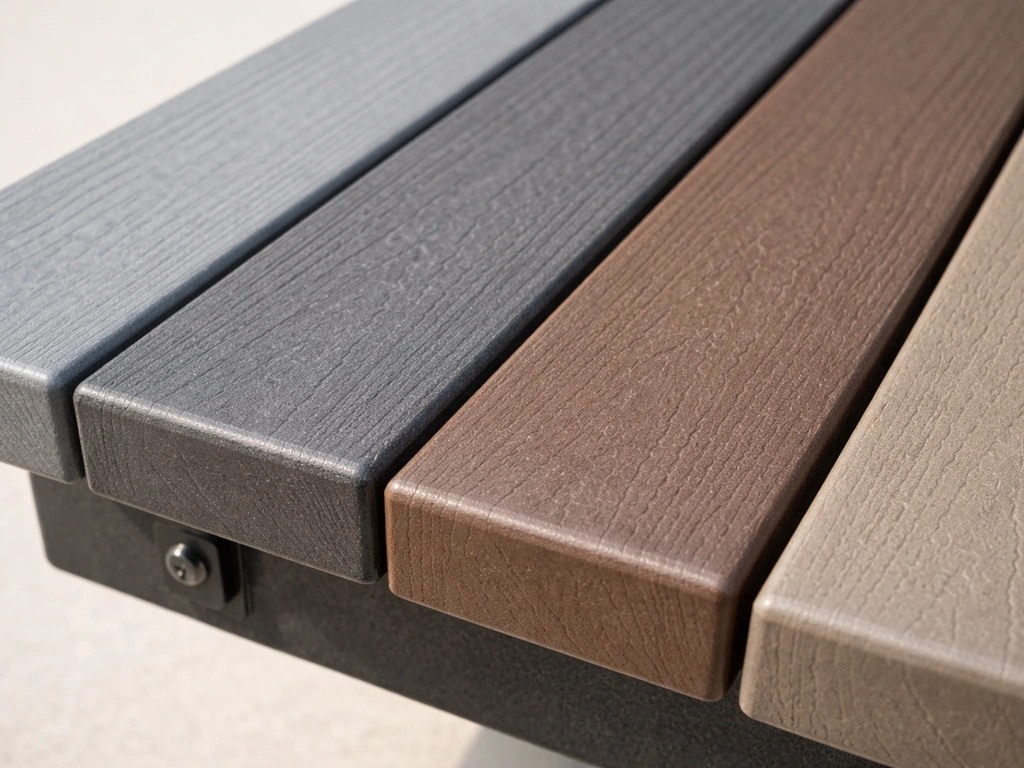
Polywood makes its signature lumber from high-density polyethylene (HDPE), the same dense plastic used in milk jugs and cutting boards. The key difference from cheap resin furniture is that the color and UV inhibitors are mixed directly into the material during manufacturing, so the color runs all the way through the lumber. There is no painted surface to chip or peel. If you scratch it, the same color is underneath.
The hardware matters just as much as the lumber. On flagship products like the Modern Adirondack Chair, Polywood uses 18-8 marine-grade stainless steel fasteners with an added Xylan corrosion-resistance coating. That is a meaningful upgrade over the uncoated screws you find on most patio sets at this price. Polywood also offers an aluminum line using a high-strength alloy with UV-stable powder coating, marketed as rustproof and corrosion-resistant, which is worth considering if you are near salt air or high humidity.
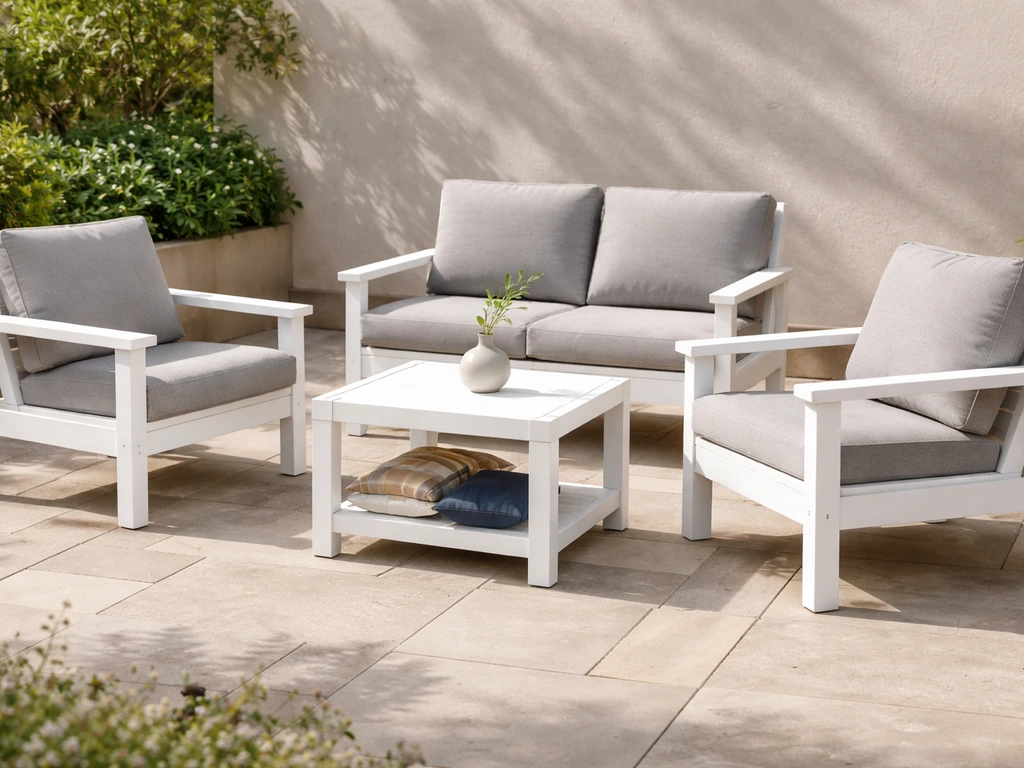
Collections span a wide range of styles and uses: Adirondack chairs, dining sets, bar-height tables, chaise lounges, modular deep seating, conversation sets, and sectionals. The EDGE collection is one of their more design-forward lines, offering a Performance Sling seat option alongside traditional lumber and modular deep seating configurations. Knowing which collection fits your use case is the first decision to make, and it affects comfort, price, and assembly complexity significantly.
What reviewers consistently praise and complain about
Across AllModern, Lowe's, and Reddit, the praise for Polywood is remarkably consistent: people love the sturdiness, the low maintenance, and the fact that many pieces arrive fully or mostly assembled. If you are looking for wade logan patio furniture reviews, compare what multiple reviewers say about build quality, cushion performance, and how the pieces hold up outdoors over time Polywood patio furniture. Adirondack chairs in particular get strong marks for rigidity, with one widely cited test reporting no wobble or lean under a 400-lb load. The build quality feels noticeably heavier and more solid than comparably priced resin sets, and that first impression tends to hold up over years of use.
The complaints are just as consistent. Cushion performance comes up repeatedly in deep seating reviews: cushions on some EDGE conversation sets slide off sofas easily and can develop staining or color transfer over time. A smaller but real thread of complaints covers fulfillment and parts issues, including missing hardware, components shipped without pre-drilled holes, and parts delays that stall assembly. None of these are dealbreakers, but they are worth planning for, especially if you are ordering online and assembling yourself.
| What Reviewers Praise | What Reviewers Complain About |
|---|---|
| Solid, rigid build with no wobble | Cushions slide or shift on deep seating frames |
| Pre-assembled or fast assembly on many pieces | Missing hardware or parts in some shipments |
| Low maintenance over years of outdoor use | Color fade more noticeable than marketing suggests |
| Feels premium compared to standard resin | High price point for full sets |
| Wide color and style selection | Cushion staining/color transfer on some covers |
| Marine-grade stainless hardware on flagship pieces | QC inconsistencies: occasional missing pre-drilled holes |
How Polywood holds up in real weather
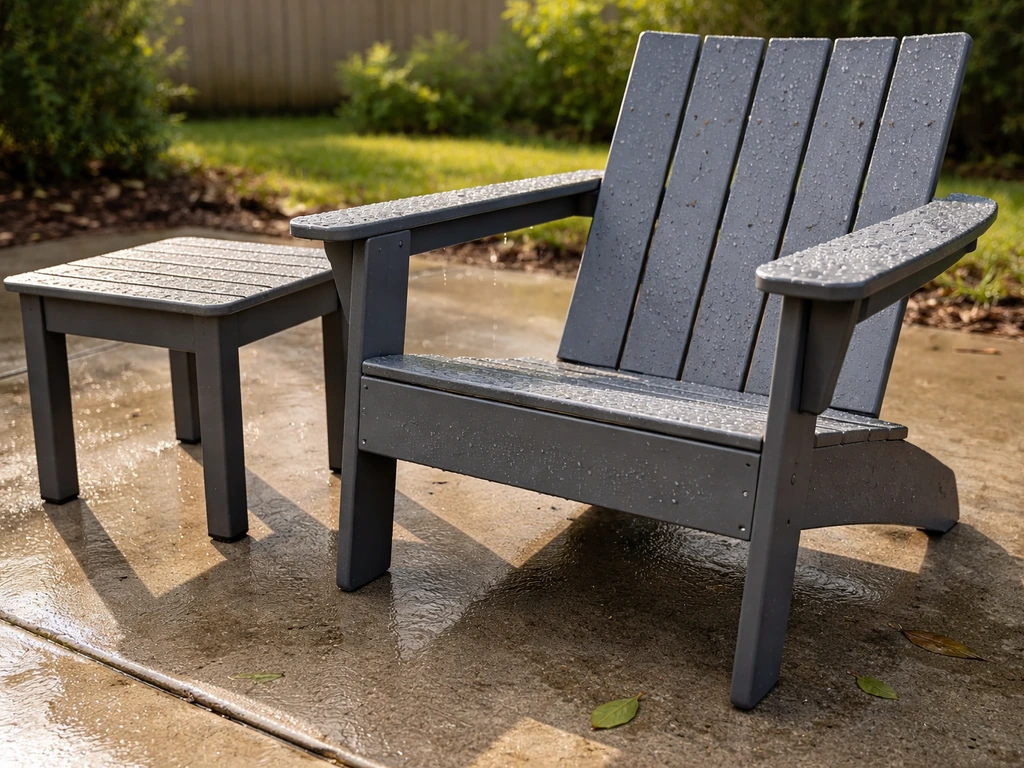
The HDPE material genuinely handles heat, cold, rain, and salt air better than wood, aluminum, or standard resin. It does not crack, splinter, rot, or rust. Freeze-thaw cycles that destroy wooden furniture do not affect HDPE. If you live somewhere with hard winters or humid summers, the lumber itself is not going to fail.
Fading is the one legitimate weather concern. Polywood's own warranty language acknowledges that colors will fade to some degree under sun exposure, despite the UV inhibitors and light-stable pigments in the material. Real-world reports confirm this: white pieces in particular have been reported to shift toward a pink or reddish tint after extended direct sun exposure. The fade happens slowly and is most visible on lighter colors in high-sun climates like the Southwest or Florida. Darker colors tend to hold better visually over time. If your furniture sits in full sun year-round, go darker or plan to accept gradual lightening.
The metal hardware is the other weather variable. The marine-grade stainless with Xylan coating used on premium Polywood pieces is genuinely corrosion-resistant, but the warranty does address rust and corrosion of hardware as a potential claim area. If you are near the ocean, inspect hardware annually and keep an eye on any signs of surface rust, which is easier to address early than after it progresses.
Comfort, design, and fitting your actual patio
Polywood's Adirondack chairs are shaped for lounging, not upright dining. The Modern Adirondack AD420 sits at a seat height of 13.8 inches with a seat depth of 17.9 inches, which is low and reclined by design. If you have mobility issues or prefer to sit more upright, look at their dining collections or bar-height options instead. The EDGE dining side chairs tuck cleanly under Polywood dining tables and work well as a matched set, which matters when you are planning a full outdoor dining setup rather than mixing brands.
On the comfort question, the bare HDPE slat seating is firm. It is not uncomfortable for shorter sessions, but for a long afternoon outside you are going to want cushions on any deep seating or chaise. Polywood's own chaise cushions are 2.5 inches thick with a quick-drying fill designed to resist moisture, mold, mildew, salt, and sun. That is a solid cushion spec for outdoor use. The bare Nautical Chaise Lounge, by contrast, ships without cushions and positions itself as a fade-resistant and easy-to-clean option for pool decks where a cushion-free setup makes more sense.
For smaller spaces like balconies or compact patios, Polywood's bistro-style and folding pieces are more practical than full conversation sets. The EDGE modular deep seating is better suited to a large deck or backyard where you can spread it out. Before ordering any set, measure your space and compare it against the product's overall footprint dimensions, which are listed on each product page and in the downloadable assembly instructions.
Maintenance is genuinely easy (here's what it actually takes)
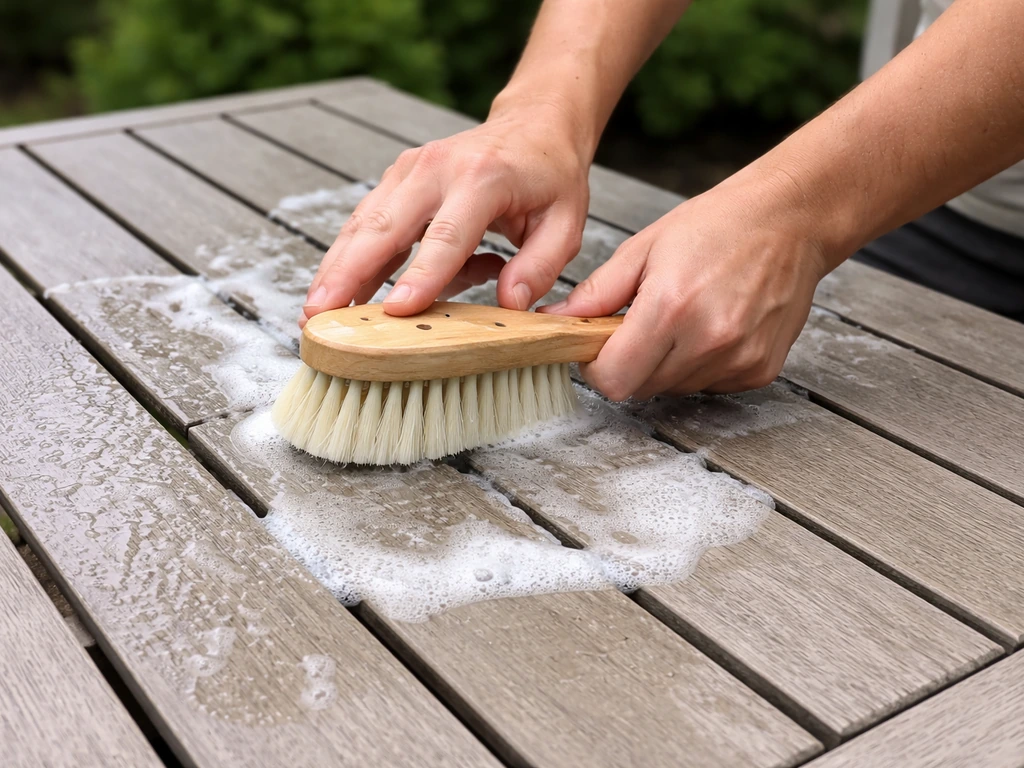
Routine cleaning is mild dish soap, warm water, a soft-bristle brush or cloth, a rinse, and air-dry. That is it. You do not seal it, oil it, stain it, or sand it. For tougher stains, mold, or mildew, Polywood recommends adding unscented liquid bleach mixed with water as a sanitizing step. POLYWOOD recommends adding unscented liquid bleach mixed with water as a sanitizing step for tougher stains, mold, or mildew. The bleach will not damage the HDPE material.
For deep cleaning, a pressure washer works on the lumber at up to 1,500 psi. The important rule: do not pressure wash cushions, fabrics, or pillows. Those need hand washing only. If you have a set with cushions, that distinction matters when you are doing a seasonal cleaning. Cushion covers on Polywood pieces are designed to be cleaned with soap and water as well, keeping the maintenance routine simple across the whole set.
You do not need to bring Polywood furniture inside for winter, which is a real practical advantage over wood and some wicker options. The material handles freezing temperatures without cracking or warping. If you want to keep it looking cleaner longer, a quick end-of-season wash before storage or covering helps, but it is not required.
Value check: where Polywood wins and where it falls short
Polywood is expensive upfront. A single Adirondack chair runs $250 to $400. A full dining set or conversation set can push $1,500 to $3,000 or more. But the cost-per-year math tends to work in Polywood's favor compared to teak, cedar, or wrought iron, all of which require more maintenance and tend to degrade faster outdoors. The 20-year residential warranty covering structural and material defects is real protection, not marketing language, and it meaningfully changes the value equation for a product you intend to keep for a decade or more.
Where Polywood loses on value is if you only need furniture for a rental property, a seasonal setup you will replace in five years, or a shaded covered porch where UV resistance is not a priority. In those cases, the premium price is harder to justify. Budget resin sets from major retailers can serve those scenarios without the investment. Wicker patio furniture is another comparison worth considering if you prioritize aesthetics and plan to use covers or store pieces seasonally. Polywood beats wicker on pure weather durability and maintenance, but wicker can offer more comfort and visual warmth at a lower price point.
Compared to other premium outdoor brands like Woodard, which uses steel and aluminum with powder coatings, Polywood's HDPE lumber has a clear edge in rust and rot resistance with less maintenance burden. If you are also comparing Woodard patio furniture reviews, focus on how their steel and aluminum hold up near salt air and how the powder coating performs over time. The trade-off is that metal furniture from brands like Woodard often has a more refined, traditional aesthetic that some homeowners prefer for formal outdoor settings.
Before you order: a practical buying checklist
- Measure your space first. Download the assembly instruction PDF from the product page and confirm the overall footprint, not just seat dimensions, fits your patio or balcony layout.
- Check seat height against your needs. The Modern Adirondack sits at 13.8 inches, which is very low. Dining chairs and conversation sets sit much higher. Match the seat height to how you actually plan to use the space.
- Decide before ordering whether you want cushions included. Chaise lounges and some bare-frame pieces do not include cushions by default. Adding Polywood's own cushions later adds cost but ensures a fit-tested match.
- Read the warranty terms for your specific product. The 20-year coverage applies to POLYWOOD lumber for residential use. Cushions, fabric, and hardware have separate coverage language and shorter timeframes for some claims.
- Check the assembly requirement on the listing. Most Polywood pieces take under 30 minutes and include basic hardware, but some larger sets require more time. Verify the assembly instructions are downloadable before delivery so you know what tools you need.
- If ordering online, inspect the shipment immediately. Reports of missing parts, missing pre-drilled holes, and incomplete hardware packages are a real pattern. Catching an issue at delivery is far faster to resolve than after you have started assembly.
- For replacement parts, contact Polywood directly. They do carry parts, but wait times and availability can vary. If you are buying older discontinued pieces, ask about parts availability before committing.
- Consider your color choice based on your sun exposure. In high-sun climates, darker colors hold their appearance longer than white or light gray, based on real-world fade reports.
How to use reviews to actually choose the right set
The biggest mistake people make reading Polywood reviews is treating all complaints as equally weighted. A wobble complaint on a dining chair is often a placement issue. Polywood's own assembly cautions note that chairs should be placed on a flat, level surface, and a lot of patio surfaces are not perfectly level. If multiple reviewers on the same product mention wobble, it is worth noting. If one does, it is almost certainly a surface issue, not a product defect.
Filter reviews by your climate and use case. A reviewer in Seattle who loves their Polywood Adirondacks is giving you useful data. A reviewer in Phoenix complaining about color fade on a white set is also giving you useful data, just about a different variable. Look specifically for reviews from people in similar climates and with similar sun exposure situations.
Pay attention to what collection the reviewer bought. The EDGE modular deep seating and the Classic Adirondack are completely different products with different comfort profiles, assembly complexity, and cushion systems. A negative cushion review on the EDGE conversation set tells you nothing about whether the Nautical Chaise or a dining set will work for you. Sort reviews by collection, not just brand.
Finally, weight long-term reviews heavily. Polywood's value proposition is durability over time, not first impressions. A two-year-old review that says the furniture still looks and feels solid is more valuable than a one-week review praising how it arrived. Seek out Reddit threads and forum posts where owners are discussing multi-year use. Those accounts are where Polywood's real durability story plays out, and they tend to be positive in a way that confirms the premium price is justified for buyers who plan to keep furniture for a decade or more.
FAQ
Will Polywood patio furniture still look good if it sits in full sun all day year-round?
It can, but plan for gradual fading, especially on white and other light colors. If your set gets constant direct sun (high-summer climates or pool decks), choosing darker shades usually slows visible color shift compared with light whites.
Do Polywood cushions really stay in place on modular deep seating like EDGE conversation sets?
Some owners report cushion slippage on certain modular pieces. To reduce the risk, verify whether your configuration uses any retention features or straps, and consider adding grip liners or ensuring the seating angle matches the design before tightening.
Is pressure washing safe for Polywood furniture if I want to clean it quickly before storing for winter?
You can pressure wash the lumber up to the stated limit, but you should keep the nozzle moving and avoid aiming directly at hardware seams. Also separate your cushion cleaning schedule, since fabrics and cushions need hand washing and air drying.
How often should I check and clean the stainless or coated hardware?
If you live near salt air, inspect at least once per year and rinse the furniture after storms or coastal winds. If you see early surface rust on any fastener, address it sooner with a light clean and dry, before it spreads to surrounding points.
What’s the best way to avoid wobble complaints when assembling or placing Polywood chairs?
Wobble is often caused by uneven surfaces. Assemble on a level patio or use shims under the base if your ground is slightly out of plane, then re-check tightness after the first day of use because outdoor surfaces can settle.
Does Polywood furniture become uncomfortable without cushions?
Bare slat seating is firm, so it is usually fine for short sitting or dining-style use. For long lounging or conversation sets, budget for cushions, since comfort differences between Adirondack lounging chairs and upright dining seating can be noticeable.
Can I mix Polywood cushions from one collection with a different collection?
It depends on the model dimensions and cushion mounting style. If you are swapping, measure cushion thickness and cover size, confirm compatibility for your exact seat type, and do not assume all EDGE or all dining cushions will fit across configurations.
What if the hardware arrives missing or without pre-drilled holes?
Some fulfillment issues are reported, so check the box contents and alignment holes as soon as it arrives. If anything is missing, contact the retailer or manufacturer quickly before you start assembly, since forcing a fit can strip fasteners or create misalignment.
Do I need to bring Polywood furniture indoors during winter?
No, HDPE lumber is designed to handle freeze-thaw cycles without cracking or warping. For a cleaner look, do a mild wash before storage and cover it if possible, but freezing alone is not typically a requirement to move it.
How should I choose between Adirondack, dining, and bar-height options for mobility or posture preferences?
Adirondacks tend to be lower and more reclined by design, which may be less suitable for people who prefer an upright posture. If mobility is a factor, compare seat height and depth from the product specs and consider dining or bar-height collections for more vertical seating.
Is Polywood worth it for a rental property or a short-term install?
If you only need furniture for a few years, the premium upfront cost may be harder to justify. Polywood makes the most sense when you expect to keep the pieces long-term and you have high weather exposure where maintenance savings matter.
How can I evaluate polywood patio furniture reviews more accurately than by overall star rating?
Filter reviews by climate and sun exposure, then weight multi-year owner feedback more than first-week impressions. Also compare the exact collection mentioned, because comfort, cushion systems, and assembly details vary significantly by line.