
West Elm patio furniture looks great in photos and in-store, and some of it genuinely holds up well outdoors. The aluminum-framed lines, particularly pieces like the Caldera collection, deliver real rust resistance and decent comfort thanks to powder-coated frames and high-resiliency foam cushions. But the wicker and plastic-wicker options have a spotty track record, with cracking and brittleness showing up within two to three years even on covered patios. If you know which materials to target and which complaints to filter out, you can shop West Elm's outdoor lineup with confidence instead of frustration.
West Elm Patio Furniture Reviews: Best Picks by Use Case

Grant Hollis
29 Apr 2026
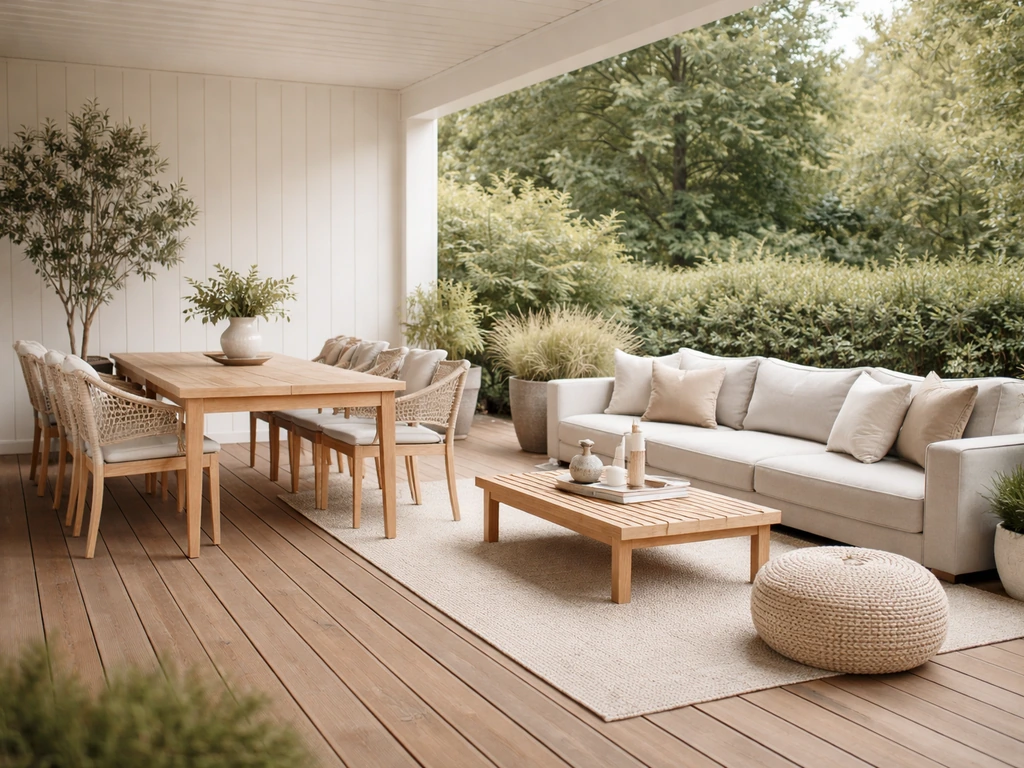
What West Elm patio furniture reviews tend to say (and what to ignore)
Most West Elm outdoor reviews split into two camps: people who love the design and initial quality, and people who ran into durability or customer service problems one to three seasons in. For a deeper dive, you can also look up walker edison patio furniture reviews to compare long-term durability and customer experience side by side West Elm outdoor reviews.
If you want to see what people mean by durability and comfort, these elposun patio furniture reviews can help you compare materials and long-term performance West Elm patio furniture. The positive reviews consistently praise the aesthetic, the weight and sturdiness of aluminum pieces, and how well the furniture fits in modern or coastal-style spaces. The negative reviews cluster around a few very specific problems that are worth taking seriously.
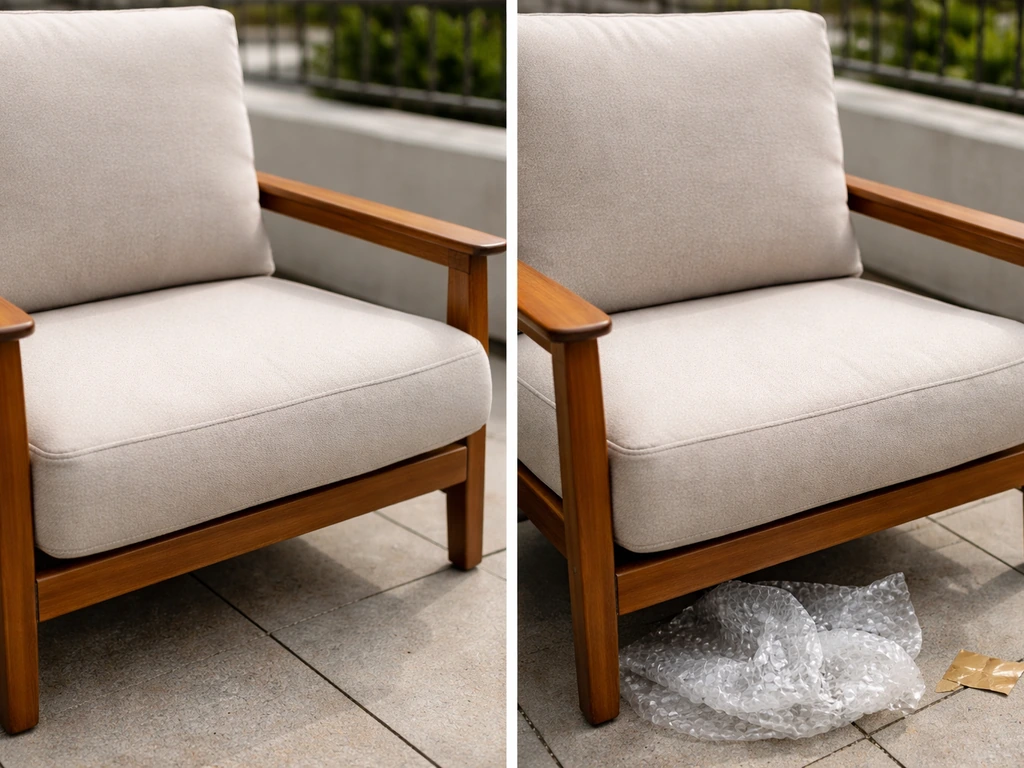
The most common complaints you'll see are cushion flattening (especially on sofas used daily outdoors), wicker cracking or becoming brittle on plastic-wicker collections, missing hardware in boxes at delivery, and difficulty getting replacement parts or real help from customer service when something goes wrong. One frequently cited issue involves the Urban Summer Collection, where the plastic wicker reportedly became brittle and cracked within just over two years, exposing the metal frame underneath, even on a covered balcony.
What's worth filtering out: complaints about color looking different in person than online, or delivery delays, are real but not furniture-quality issues. Also filter out one-off assembly complaints where someone clearly skipped the instructions. What you should weigh heavily are the repeat patterns: cushion compression over time, wicker degradation, and hardware gaps. Those show up consistently enough that they reflect material and supply-chain choices, not bad luck.
How to compare West Elm patio furniture: materials, build, cushions, and comfort
Frame material is the single most important spec to check before anything else. West Elm's aluminum frames are powder-coated for rust resistance and are genuinely lightweight without feeling flimsy. That's the foundation you want for anything living outdoors year-round. The wicker and woven options use synthetic or plastic-wicker materials that look good initially but carry meaningfully more risk of UV degradation and brittleness over time.
| Material | Rust/Rot Resistance | UV/Weather Durability | Weight | Cushion Needed? | Best For |
|---|---|---|---|---|---|
| Powder-coated aluminum | Excellent | Good to excellent | Light | Yes (or sling) | Exposed patios, coastal climates |
| Aluminum sling | Excellent | Good (fabric-dependent) | Light | No | Low-maintenance, warm climates |
| Plastic/synthetic wicker | Good on frame, poor on wicker | Fair (cracks under UV) | Medium | Usually yes | Covered patios only |
| Teak or eucalyptus (if offered) | Excellent | Excellent with oiling | Heavy | Optional | Long-term investment pieces |
For cushions, West Elm uses high-resiliency polyurethane foam cores on their better outdoor pieces, which is a step above basic foam and does resist compression longer. That said, no outdoor foam cushion lasts forever without care. West Elm specifically advises storing cushions separately from the furniture frame when not in use, to prevent moisture transfer from the frame to the cushion fabric and fill. That's not just a legal disclaimer: it's the actual main reason cushions degrade faster than they should.
Sling seating, like the Outdoor Aluminum Sling Chair, sidesteps cushion-degradation issues entirely. The stretched fabric tension across the aluminum frame provides support without any foam involved, which means no flattening, no waterlogging, and much easier cleaning. If cushion maintenance sounds like a headache for your situation, the sling lineup is worth prioritizing.
Best West Elm patio furniture picks by patio use case (dining vs lounge)
Lounge and seating setups
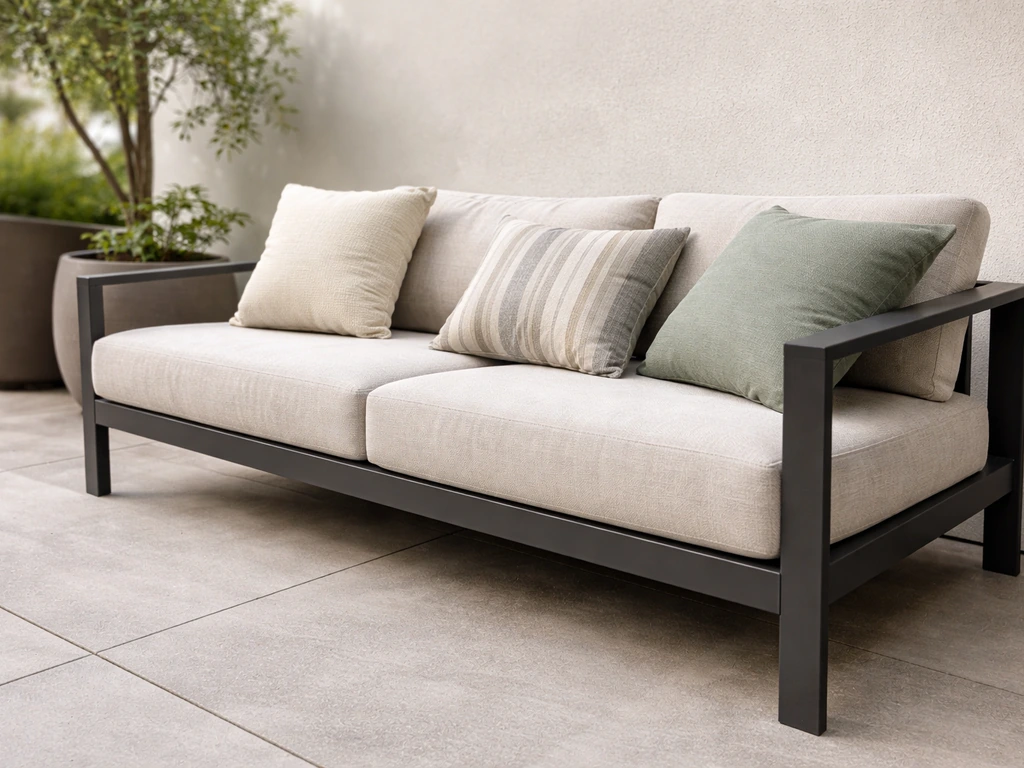
For a dedicated lounge area, the Caldera Aluminum Outdoor Sofa (75-inch) is the standout recommendation from West Elm's current lineup. The rustproof powder-coated aluminum frame is built for exposure, the high-resiliency foam cushions hold up better than standard outdoor foam, and the proportions work well for most mid-size patios. If you have a covered porch and want the look of woven furniture, synthetic wicker pieces can work, but treat them as a five-year investment rather than a ten-year one, and keep them out of direct sun when possible.
For a more minimal or low-maintenance lounge setup, the sling chair options give you a genuinely durable seat without the cushion upkeep. They also pack down easily for storage in tight spaces, which matters if you're working with a small urban patio or balcony.
Dining setups
West Elm's outdoor dining lineup tends to do better in reviews than the lounge upholstered pieces, partly because dining chairs see less body-pressure-per-hour than sofas do, and partly because aluminum dining frames don't rely on thick foam to feel functional. For a large dining area, look for aluminum-framed dining sets and verify the table uses either powder-coated aluminum or teak-style materials rather than a painted steel or composite top that can chip. For small patios and balconies, West Elm's two-seat bistro-style pieces are worth checking: the proportions are designed for tight spaces and the aluminum frames keep weight manageable when you're moving furniture around.
Price vs value: when West Elm is worth it and when to look elsewhere
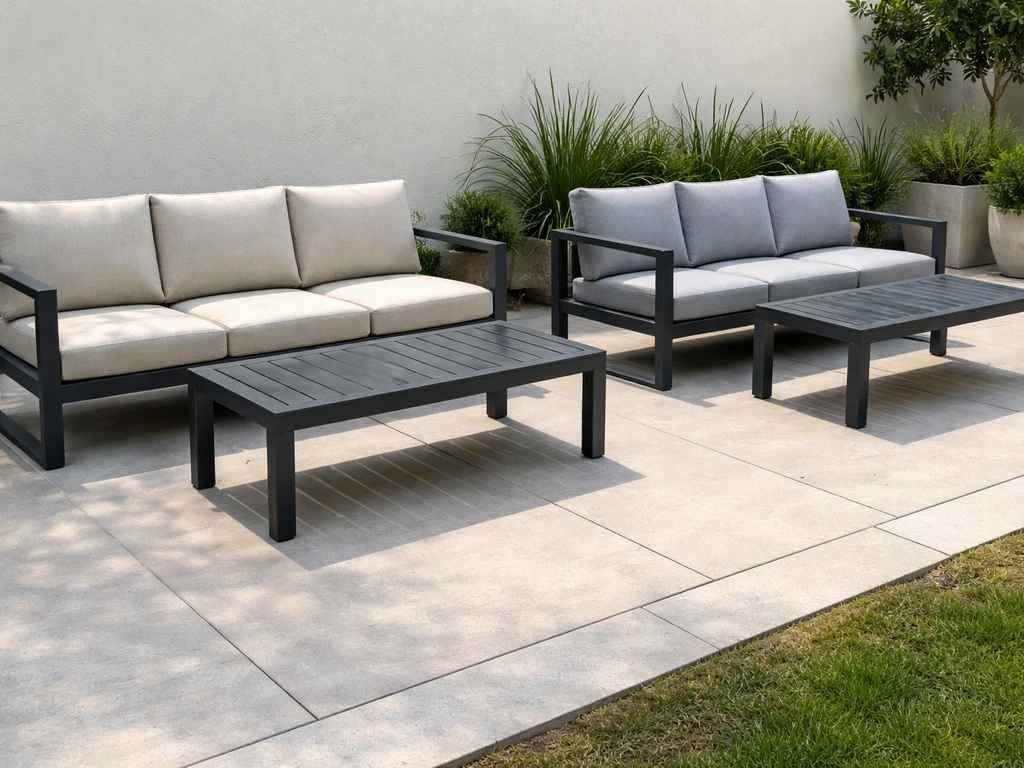
West Elm outdoor furniture sits in the upper-mid price range, typically $300 to $800 for individual chairs and sofas and $1,200 to $3,000 or more for full dining or lounge sets. That's meaningfully more than entry-level brands, but less than premium outdoor-specific brands. The honest truth is that value depends almost entirely on which collection you're buying.
The aluminum-framed pieces, especially the Caldera line, justify the price reasonably well. You're paying for a well-built, rust-resistant frame, decent cushion quality, and a design aesthetic that's hard to match at lower price points. If you care about how your patio looks and plan to keep the furniture for five-plus years with basic maintenance, the math works.
The wicker and synthetic-woven collections are harder to justify at West Elm prices. For $600 to $900 on a wicker chair that may start cracking in year two or three, you're taking on real risk. At that price point, you could look at brands with stronger track records specifically for all-weather wicker construction, or consider a eucalyptus or teak option that ages much more gracefully.
If you want a deeper dive, search for Erwin and Sons patio furniture reviews to compare durability and long-term comfort against West Elm. If you're considering eucalyptus for a patio upgrade, eucalyptus patio furniture reviews can help you gauge how different brands handle graying, cracking, and long-term outdoor exposure. Brands like Ebel, which focuses almost entirely on outdoor-specific construction, or even budget-focused brands with aluminum-dominant builds, sometimes offer better long-term value at similar or lower price points.
| Scenario | West Elm Worth It? | Better Alternative? |
|---|---|---|
| Aluminum lounge sofa, covered or shaded patio | Yes | Only if budget is tight |
| Sling chair, warm/dry climate | Yes | Similar quality available cheaper elsewhere |
| Plastic-wicker set, uncovered exposed patio | No | Look at eucalyptus or all-aluminum options |
| Large dining set, year-round outdoor use | Maybe (aluminum only) | Consider outdoor-specialist brands for investment pieces |
| Small bistro set, urban balcony | Yes | Walker Edison offers lower-cost alternatives |
Assembly, care, and weather-proofing tips that affect durability
West Elm ships most outdoor furniture requiring some assembly, and the instructions vary in quality. The brand does publish item-specific assembly PDFs, and the better ones include both setup steps and care/cleaning warnings specific to the finish. Read those care notes before you start building, not after, because some finishes and frame coatings require you to avoid certain cleaning products or tools that seem perfectly reasonable (like abrasive cleaners on powder-coated aluminum). For example, the Portside Aluminum Outdoor Chaise assembly instructions caution against using chemical cleansers and abrasives on certain finishes blank" rel="noopener noreferrer">avoid certain cleaning products or tools.
One of the most common assembly frustrations is missing hardware. It happens often enough across the West Elm outdoor lineup that it's worth checking the parts list immediately when the box arrives, before you start assembly. If something is missing, contact customer service while the packaging is intact: it speeds up the resolution significantly.
For long-term durability, the biggest leverage point is cushion storage. West Elm's own guidance on the Caldera sofa specifically says to store cushions separately from the frame to prevent moisture transfer. West Elm also advises storing the Caldera sofa cushions separately from the frame to prevent moisture transfer to the cushion fabric and fill store cushions separately from the frame. In practice, this means bringing cushions inside or into a dry storage bin whenever rain is coming or when the furniture sits unused for more than a day or two. Leaving cushions on the frame through rain cycles is the primary reason they flatten and develop mold faster than they should.
- Store cushions off the frame during rain and extended non-use periods
- Clean powder-coated aluminum frames with mild soap and water only, no abrasives
- Check assembly hardware after the first season: aluminum can shift slightly and bolts may need tightening
- Apply a UV-protectant spray to synthetic wicker pieces at the start of each season
- Use furniture covers rated for outdoor use when furniture sits unused for a week or more
- Rinse frames with fresh water if you're in a coastal/salt-air environment at least twice per season
Sizing, layout, and accessories checklist before you buy
West Elm's outdoor pieces tend to run on the larger side, so measure your patio carefully before ordering. The Caldera Outdoor Sofa, for example, is 75 inches wide, which needs roughly 10 to 11 feet of linear space to sit comfortably with clearance on both sides. For a dining set, add 36 inches of pull-out space around the table on all sides to account for chairs in use.
- Measure your patio's usable area and mark it out with tape before finalizing a configuration
- Check the listed dimensions of each piece, including depth: West Elm lounge sofas often run 30 to 35 inches deep, which affects walkthrough space
- Decide whether you need a sectional, loveseat, or full sofa based on your typical guest count, not best-case scenarios
- Add a side or coffee table to the plan early: West Elm's outdoor tables pair well with their frames but can sell out at different times
- Budget for a furniture cover sized to your specific pieces: generic covers rarely fit well and leave gaps
- If the patio is uncovered, add a patio umbrella or shade sail to your plan: UV exposure is the primary driver of cushion and wicker degradation
- Verify the weight capacity of chairs if you have heavier users: West Elm lists weight limits on product pages and they vary by frame type
Common problems to watch for (and how to prevent them)
Cushion flattening is the most widely reported long-term complaint with West Elm outdoor sofas. It's not inevitable, but it requires proactive cushion storage and occasional flipping or rotating of cushion cores. High-resiliency foam, like what's used in the Caldera line, does better than standard foam, but no foam recovers from being waterlogged repeatedly over multiple seasons.
Wicker cracking and brittleness is the second major structural issue, particularly with plastic-wicker or synthetic-woven collections. UV exposure breaks down the polymer over time, and the process accelerates in climates with intense sun or large temperature swings. If you already own a West Elm wicker piece, a UV-protectant spray applied seasonally can slow the process. If you're buying new, stick to aluminum-only or sling options for any patio that isn't primarily covered and shaded.
Frame wobble after a season or two usually comes from hardware loosening rather than structural failure. Check all bolts at the start of each outdoor season and re-tighten where needed. This takes about 10 minutes and prevents the slow loosening that makes a solid piece feel flimsy over time.
Hardware finish issues, like rust spots on bolts or chips in powder-coat, are cosmetic but worth catching early. A touch-up with a powder-coat-compatible spray paint on any chipped areas prevents the exposed metal underneath from actually rusting, especially in humid or coastal climates. West Elm's customer service record for replacement parts is not its strong suit, so the best approach is preventive maintenance rather than counting on a warranty replacement to fix things after the fact.
If you're comparing West Elm to other brands in this range, it's worth knowing that brands with a more outdoor-specific focus, like Ebel or those that specialize entirely in aluminum or eucalyptus construction, sometimes offer stronger material warranties and better replacement-parts support. If you are specifically shopping for Elliot Creek patio furniture, the reviews typically focus on similar durability trade-offs around materials and replacement support Elliot Creek patio furniture reviews. That matters if you're planning a long-term investment.
For buyers who want modern design at a reasonable price and are willing to do the seasonal maintenance, West Elm's aluminum lineup delivers solid value. For buyers who want zero-maintenance durability above all else, exploring other options in the market is a reasonable next step. If you're considering ebel patio furniture as well, an ebel patio furniture review can help you compare comfort, materials, and long-term durability side by side.
FAQ
Are West Elm cushions actually waterproof, or do I need to use covers?
Most West Elm outdoor cushion sets are water-resistant, not fully waterproof. If you leave cushions on the furniture during rain, they absorb moisture and recover poorly, which accelerates flattening and mold. For anything beyond a brief sprinkle, use a breathable cover or store cushions separately as soon as the weather passes.
How can I tell if a sling chair will get too hot in direct sun?
Sling fabric usually dries faster and avoids foam issues, but it can still heat up in strong sun. If your patio gets intense afternoon light, look for darker sling colors only if you plan to add a shade solution (umbrella, pergola slats, or seasonal shade), and consider choosing lighter colors for less surface heat.
What’s the best way to protect powder-coated aluminum from salt air or coastal humidity?
Powder-coat resists rust, but salt still creates corrosion at chips, bolt heads, and seams. Rinse the frames with fresh water after coastal exposure (especially after windy salt events), then re-check bolts and touch up chips early instead of waiting until you see significant rust.
Do I need to flip or rotate cushions if I store them indoors?
If you store cushions correctly (separate from the frame and kept dry), flipping and rotating is less critical, but it can still help with uneven wear from daily seating patterns. Rotate or flip a few times per season if one side gets more use, and keep an eye out for seam stress or slow reinflation.
Is UV-protectant spray worth it for West Elm wicker or synthetic-woven pieces?
It can slow brittleness, but it is not a substitute for reducing sun exposure. For polymer wicker, apply UV protectant seasonally and keep the piece under shade or use furniture covers when the patio is uncovered. If the item is already showing cracking, plan for partial replacement later rather than expecting a full reversal.
What measurements should I double-check before buying a dining set?
Beyond the tabletop size, confirm chair clearance with the chairs pulled out. A good rule is to measure from the back of the table to any wall or fixed object and ensure you have space for at least the chairs’ full pull-out swing plus a bit of room for movement.
Why do some West Elm reviews complain about replacement parts, and what should I do to avoid it?
The most common frustration is not finding a matching part for a specific frame or hardware kit after damage. To reduce risk, photograph the model number and hardware layout right after assembly, keep all packaging labels, and consider storing an extra small hardware kit if the retailer sells it for your specific collection.
How should I clean powder-coated aluminum and avoid damaging the finish?
Use mild soap and water and avoid abrasive pads or strong solvents that can dull or compromise the coating. If you have a cleaner you typically use indoors, test it on a hidden spot first, because some degreasers and “brightener” products can affect powder-coat sheen or accelerate wear at seams.
If I’m getting missing hardware, should I assemble first anyway?
No. Stop and inventory the parts immediately when the box arrives, and compare what you received to the parts list before tightening anything. If something is missing, contact support while the packaging is intact so the claim is easier to validate and the process is faster.
How often should I re-tighten bolts on outdoor aluminum frames?
Check and re-tighten at the start of each outdoor season, and then re-check after the first few heavy wind or wash cycles. Outdoor hardware can loosen from temperature cycling, and catching it early prevents wobble and protects the finish around bolt heads.
Do West Elm outdoor covers help, or do they trap moisture?
Covers help against rain and dust, but non-breathable covers can trap moisture and speed up mold or cushion fabric deterioration. Choose covers labeled breathable or specifically designed for outdoor cushions, and still store cushions separately when rain cycles are frequent or when furniture will sit unused for more than a day or two.
Which West Elm option should I prioritize if my patio is mostly uncovered?
If your patio gets lots of direct sun or repeated rain exposure, prioritize aluminum frames and sling seating. Wicker or synthetic-woven pieces are the highest risk category for cracking and brittleness on uncovered setups, so treat them as shorter-term investments unless your climate is mild and the furniture remains shaded.