
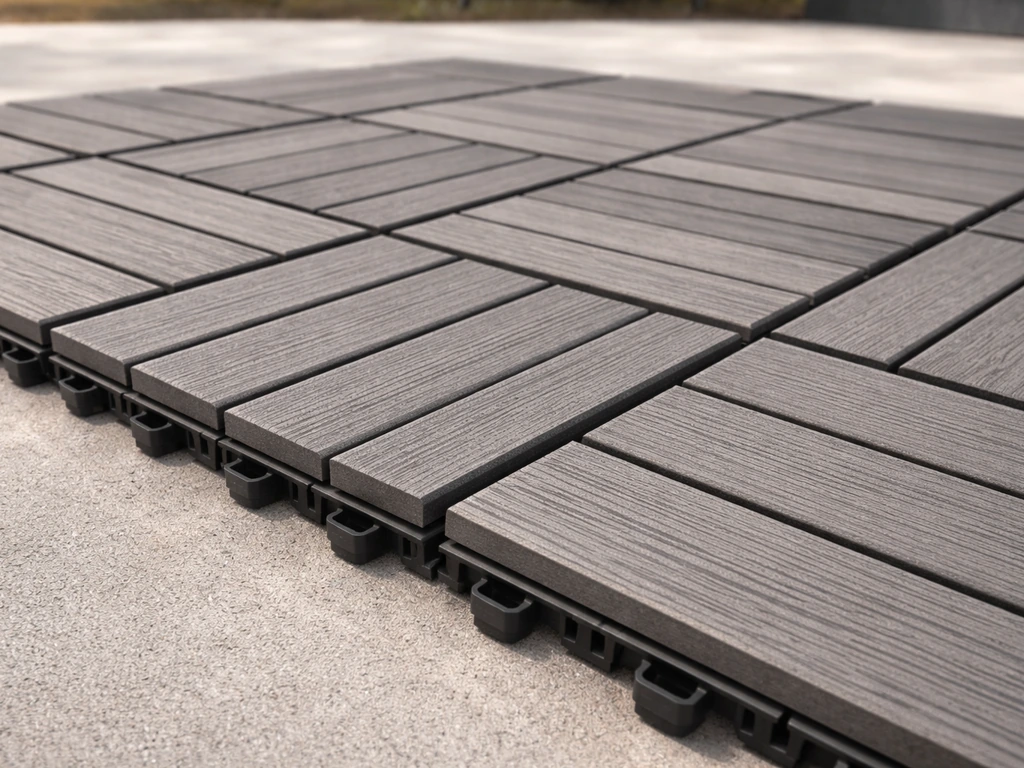
IKEA's patio flooring lineup is dominated by interlocking deck tiles you can lay yourself in an afternoon, with no adhesive, no drilling, and no contractor required. The core products are RUNNEN (available in acacia wood, wood composite, artificial grass, and polypropylene textile), ALTAPPEN (UV-stabilized plastic), and UTLÄNGAN (wood composite). Each sells in 9 to 10 sq ft packages of 12x12-inch interlocking tiles, typically priced well under $30 per pack. For most balconies, small patios, and rental-friendly upgrades, they genuinely work. For large exposed decks in harsh climates, the limitations show up fast.
IKEA Patio Flooring Review and Buyer’s Guide

Grant Hollis
10 Jun 2026
What IKEA patio flooring actually is
When people search for IKEA patio flooring, they're almost always talking about the click-together deck tile systems IKEA sells under a few product names. These aren't adhesive tiles or poured surfaces. They're modular panels that snap or click into each other and sit directly on an existing hard surface like concrete, pavers, or a deck. The idea is a floating floor you can install without tools, move around, and take apart just as easily.
Here's a quick breakdown of what IKEA currently carries in this category:
| Product | Material | Look | Package Size | Best For |
|---|---|---|---|---|
| RUNNEN (acacia) | Solid acacia wood | Warm natural wood | 9 sq ft (9 pcs) | Balconies, small patios |
| RUNNEN (dark gray / brown stained) | Wood composite | Classic deck boards | 9 sq ft | Patios, terraces |
| RUNNEN (textile dark gray) | Polypropylene (50%+ recycled) | Textile/fabric surface | 9 sq ft | Shaded balconies, low-traffic areas |
| RUNNEN (artificial grass) | Polypropylene (50%+ recycled) | Fake grass surface | 9 sq ft | Play areas, balconies, pet zones |
| ALTAPPEN (light gray) | UV-stabilized plastic | Clean modern look | 9 sq ft | Wet areas, pool surrounds |
| UTLÄNGAN (gray stained) | Wood composite | Natural wood-like finish | 10 sq ft | Patios, shaded terraces |
IKEA also sells RUNNEN edging strips in a 4-pack to finish the perimeter of your tiled area neatly. That's not an optional extra if you care about how the finished surface looks from the side, so factor it into your order.
Choosing the right option for your space
Measure first, everything else second
IKEA provides a dedicated sizing calculator page specifically for their interlocking decking tiles. The math is straightforward since each pack covers either 9 or 10 sq ft, but you should always buy 10 to 15 percent more than your calculated area to account for edge cuts and any damaged tiles during installation. Measure your space in feet, multiply length by width, then divide by 9 (or 10 for UTLÄNGAN). Round up and add that extra buffer.
Matching the product to your climate and surface
Climate matters more than most buyers realize when picking between these products. If you're in a wet or humid region, ALTAPPEN is the clearest choice. IKEA's ALTAPPEN outdoor assembly instruction PDF (AA-2103755-3) provides the official dimensional notes and installation guidance for the product [ALTAPPEN is the clearest choice](https://www. ikea.
com/ca/en/assemblyinstructions/altappen-floor-decking-outdoorAA-2103755-3pub. pdf). Its UV-stabilized plastic construction and built-in drainage channel underneath make it the most water-tolerant option in the lineup. RUNNEN in acacia is the most stylish choice but also the highest maintenance, especially in freeze-thaw climates where IKEA's own guidance suggests dismantling and storing the tiles for winter.
Artificial grass RUNNEN is a fun option for balconies and play areas but traps moisture underneath if drainage is poor and can get stiflingly hot in direct sun. UTLÄNGAN sits in a middle ground: the wood composite gives it a natural look without full wood's maintenance demands, but it still benefits from shade.
- Hot, sunny climate: ALTAPPEN (UV-stabilized) or RUNNEN composite. Avoid artificial grass tiles in full sun.
- Wet or rainy climate: ALTAPPEN for best drainage; ensure your base surface slopes away from the house.
- Freeze-thaw climate (zone 5 or colder): Plan to store wood or composite tiles indoors over winter.
- Rental apartment balcony: Any RUNNEN variety. No drilling, no permanent changes, easy removal.
- Pool surround or wet deck: ALTAPPEN only. The plastic construction handles standing water better.
- Shaded urban balcony: RUNNEN textile or artificial grass works well since UV exposure is limited.
The surface you're tiling over also matters. All of these products are designed to float on an existing hard, relatively flat surface. Cracked or severely uneven concrete is a problem because lifted or rocking tiles will be your first complaint after installation. Aim for no more than about a quarter-inch variation across the surface before you start.
How to install IKEA deck tiles step by step
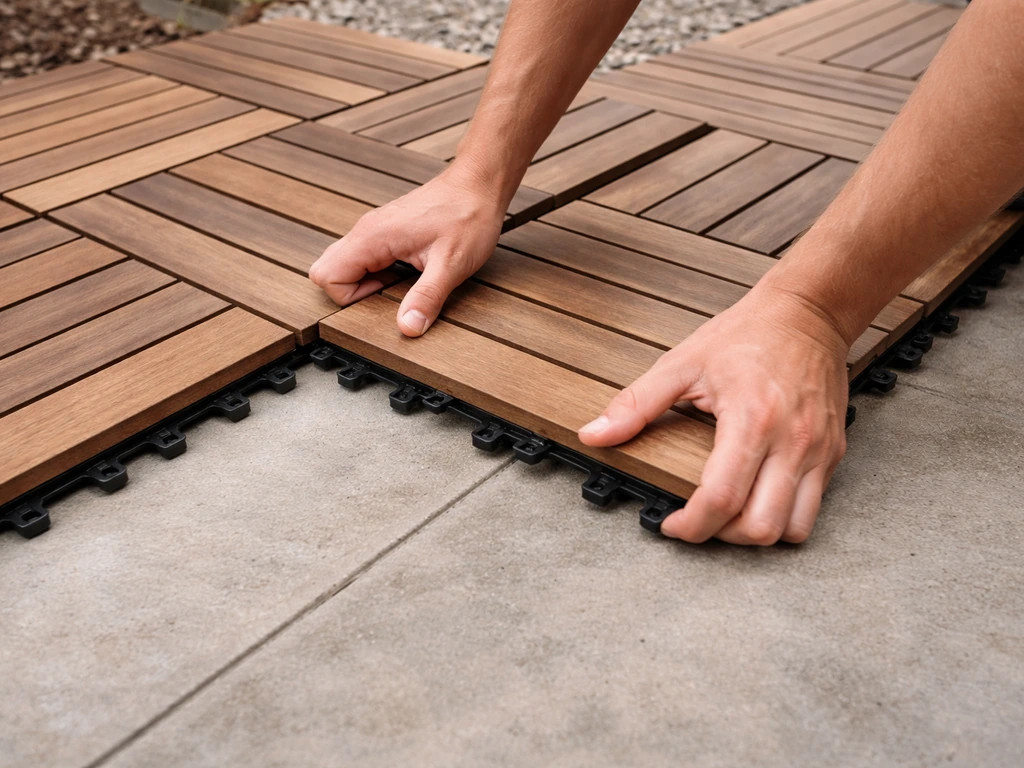
This is genuinely one of the more DIY-friendly flooring installations you can do. No adhesive, no grout, no special tools. Here's how to do it properly:
- Clean the base surface thoroughly. Sweep away debris, remove any standing moss or mold, and let it dry completely. A pressure washer works well here.
- Check for level. Use a long level or straight board to find any high/low spots greater than about a quarter inch. Fill low spots with a leveling compound if needed; grind down major bumps.
- Confirm drainage slope. Your existing surface should slope slightly away from the house (typically 1/8 inch per foot). IKEA's tiles sit on feet that allow water to pass underneath, but only if it has somewhere to go.
- Plan your layout before clicking anything together. Start from a corner or a visual center point depending on the space. Lay out a dry run to see how cuts land at the edges.
- Click tiles together on the ground first, then slide the assembled section into place. RUNNEN tiles interlock by clicking the molded connectors on adjacent panels. ALTAPPEN uses a similar system with connector tabs.
- Cut edge tiles using a jigsaw or handsaw. The polypropylene and composite materials cut cleanly. Acacia wood cuts like any hardwood, so a sharp blade matters.
- Install edging strips last along any exposed edges. RUNNEN edging strips snap onto the outer edge of the tile system and give a finished look instead of the visible cut edge.
- Do not glue, screw, or permanently fix the tiles to the surface below. Keeping the system demountable lets you clean the substrate, relocate the tiles, or replace damaged pieces.
The whole process for a 100 sq ft balcony takes roughly 2 to 3 hours with one person. The assembly instructions for each product (ALTAPPEN AA-2103755-3, RUNNEN AA-2127689-2-2, blank" rel="noopener noreferrer">UTLÄNGAN AA-2226257-3-100) are available on IKEA's site and worth a quick read before you start, especially for the connector orientation details.
Real-world durability: what holds up and what doesn't
Weather and UV resistance
ALTAPPEN is the standout for weather durability. Its UV-stabilized plastic resists fading and doesn't absorb water, which means it won't crack, warp, or splinter under freeze-thaw cycles the way wood-based tiles can. After a few seasons in the sun, RUNNEN acacia will gray out unless you seal it annually, which IKEA's guidance and user reports confirm. The composite versions (RUNNEN brown/dark gray stained, UTLÄNGAN) hold their color better than raw wood but still benefit from being stored or covered in winter in colder climates.
Traction and slip resistance
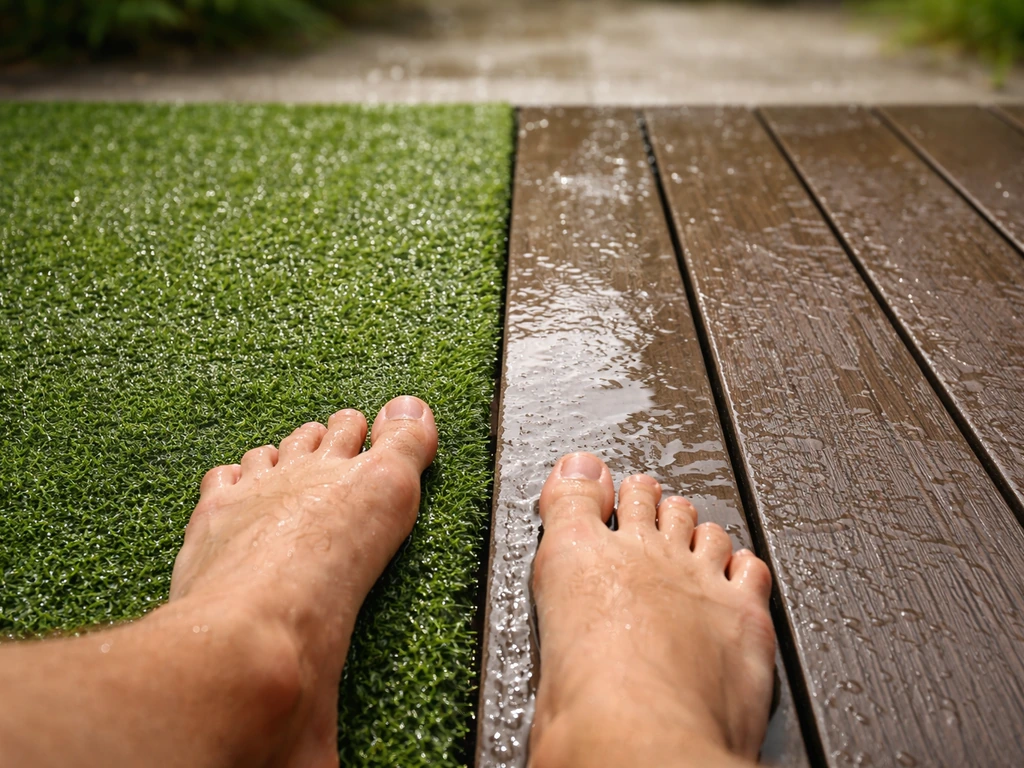
Wet conditions expose the biggest performance difference between products. Artificial grass RUNNEN stays grippy when wet. The wood and composite tiles can get slippery when wet, especially if moss or algae begins growing between the boards, so keeping them clean is not optional. ALTAPPEN's plastic surface is adequate for dry conditions but can be slicker when wet compared to the textured textile and grass options.
Weight and foot traffic
For everyday foot traffic, furniture placement, and light gatherings, all of these tiles perform acceptably. For pairing your deck tiles with seating, you may also want to compare kullavik patio furniture reviews to see which outdoor furniture holds up well on similar surfaces. If you're shopping for patio furniture to pair with interlocking deck tiles, looking at delnavik patio furniture reviews can help you spot sets that handle outdoor use well furniture placement.
If you also want to compare options before buying, look up Nardi patio furniture reviews to see how well different outdoor pieces hold up alongside deck tile setups. Once you narrow down your deck tile setup, an IKEA patio furniture review is a helpful way to compare materials, comfort, and weather resistance side by side Nardi patio furniture reviews. The click connectors are the weak point under heavy concentrated loads. Heavy cast iron furniture or very heavy planters placed directly on a connection point between tiles can cause the connectors to crack over time. Distribute weight with furniture feet pads and avoid dragging heavy objects across the surface.
If you’re looking for gotland patio furniture reviews, placement matters just as much as the tile choice for protecting connectors under everyday use furniture feet pads. If you are also weighing Nardi patio furniture options, you can use the same review mindset to compare comfort, build quality, and weather resistance gotland patio furniture reviews.
The RUNNEN artificial grass version has earned a strong 4.3 out of 5 stars from nearly 3,000 reviews on IKEA's site, which is a reliable signal that the product delivers on its basic promise for most buyers. Common complaints in reviews center on the connectors, not the tiles themselves.
Cleaning, maintenance, and seasonal care
Regular cleaning
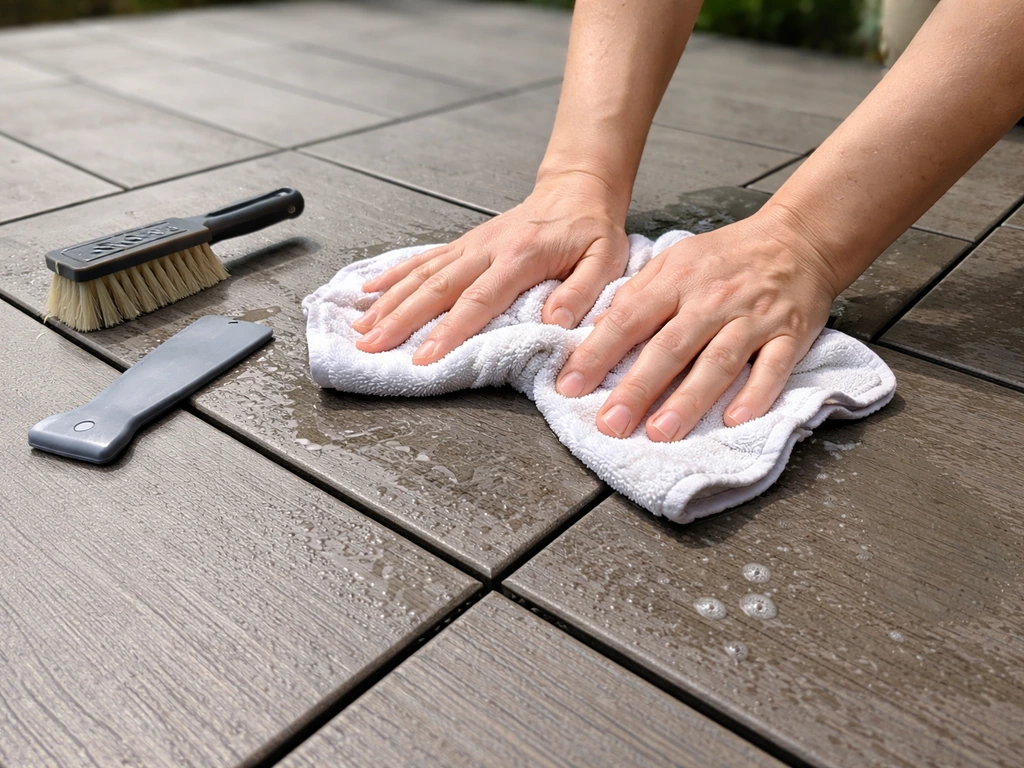
For wood and composite RUNNEN tiles, IKEA recommends a mild soapy solution wiped dry with a clean cloth. Don't use harsh chemicals or pressure-wash wood tiles repeatedly since it breaks down the surface faster. For the artificial grass version, a stiff broom or vacuum cleaner handles debris. The textile version responds well to the same approach. A quick sweep or rinse every couple of weeks keeps mildew from gaining a foothold underneath.
Mildew and staining
Mildew grows underneath these tiles when drainage is poor or when the tiles sit on a surface that stays damp. The fix is periodic disassembly and cleaning of both the tiles and the substrate below. This is actually one of the clever design features: since the tiles click apart as easily as they click together, you can lift sections, clean the concrete below, and replace them in under an hour. Do this at least once a season in damp climates. For mud and organic stains on composite or wood tiles, a diluted outdoor deck cleaner works well. Avoid bleach directly on wood tiles.
Seasonal storage and wood maintenance
For acacia RUNNEN in particular, IKEA's guidance and community experience align: seal the wood once a year with a teak or acacia oil to prevent cracking and graying. In freeze-thaw climates (generally USDA Zone 6 and colder), dismantling and storing wood or composite tiles indoors for the winter is the right call. ALTAPPEN plastic tiles are the exception: they can stay out year-round without issue in most climates. If you'd rather not deal with seasonal storage, ALTAPPEN is the easiest long-term choice.
Replacing damaged pieces
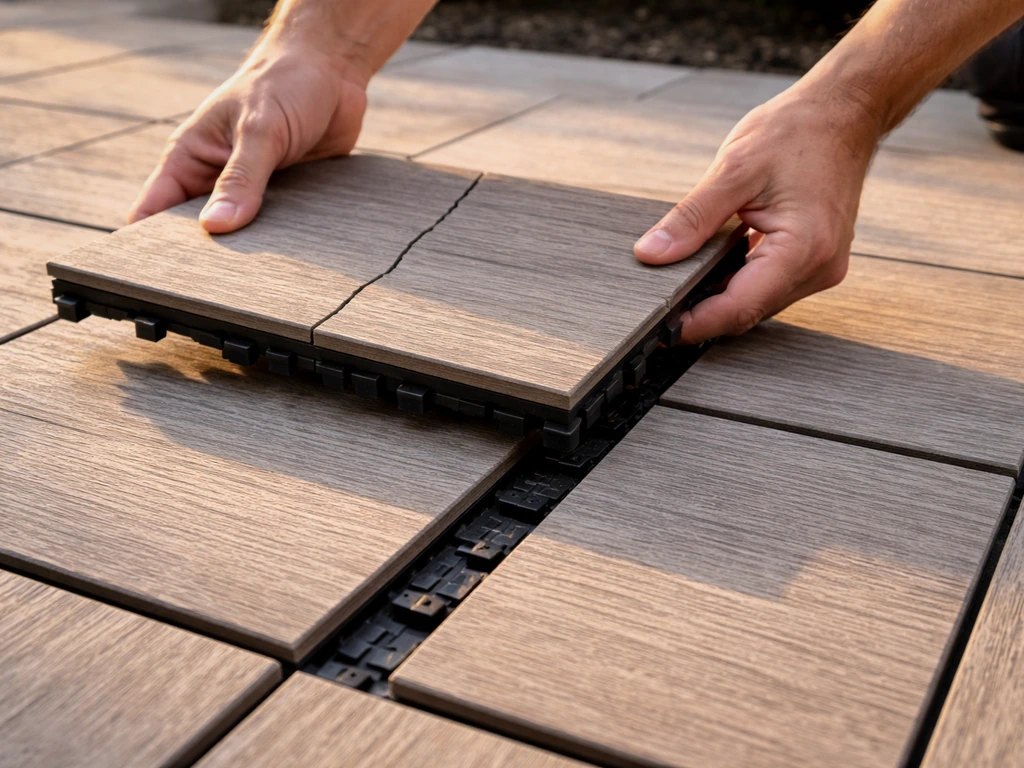
Individual tile replacement is one of IKEA patio flooring's real advantages over poured or cemented surfaces. Since each tile clicks in and out independently, replacing a cracked or stained section means buying a single replacement pack and swapping the bad tiles out. Just keep the product name and color code for easy reordering.
Pros, cons, and how IKEA stacks up against alternatives
| Factor | IKEA Deck Tiles | Rubber Pavers | Porcelain/Stone Tiles | Composite Decking Boards |
|---|---|---|---|---|
| Price per sq ft | Low ($2-$4) | Low-medium ($3-$6) | High ($8-$20+) | Medium-high ($5-$15) |
| DIY installation | Very easy, no tools | Easy | Hard (mortar/grout) | Moderate (cutting/fastening) |
| Durability | Moderate (3-7 years) | High | Very high | High (15-25 years) |
| Winter storage needed | Yes (wood/composite) | No | No | No |
| Slip resistance (wet) | Moderate (wood/plastic) | Good | Varies by finish | Good |
| Renter-friendly | Yes (no permanent install) | Yes | No | No |
| Replacement ease | Very easy | Easy | Hard | Moderate |
IKEA deck tiles are the right buy if you want a fast, budget-friendly, renter-friendly surface refresh without any permanent changes. They're ideal for apartment balconies, rental patios, and seasonal spaces. They're the wrong buy if you're decking a large exposed surface in a harsh climate and want something you never have to think about again. For that scenario, proper composite decking boards or porcelain pavers are better long-term investments even though they cost more upfront and require professional or semi-professional installation.
If you're also looking at IKEA's broader outdoor furniture lineup, it's worth knowing that IKEA's patio tile products pair naturally with their furniture collections, which are covered in depth in the broader IKEA patio furniture review on this site. If you're also shopping for seating and accessories, this IKEA patio furniture reviews guide pairs well with what you learn here about patio tile performance and care broader IKEA patio furniture review. If you're also shopping for outdoor seating, this IKEA patio furniture review covers how those pieces work with the same color and installation style. The ALTAPPEN and RUNNEN tiles also complement the aesthetic of wood-framed or powder-coated steel furniture well since the color options are neutral.
Common problems and how to fix them
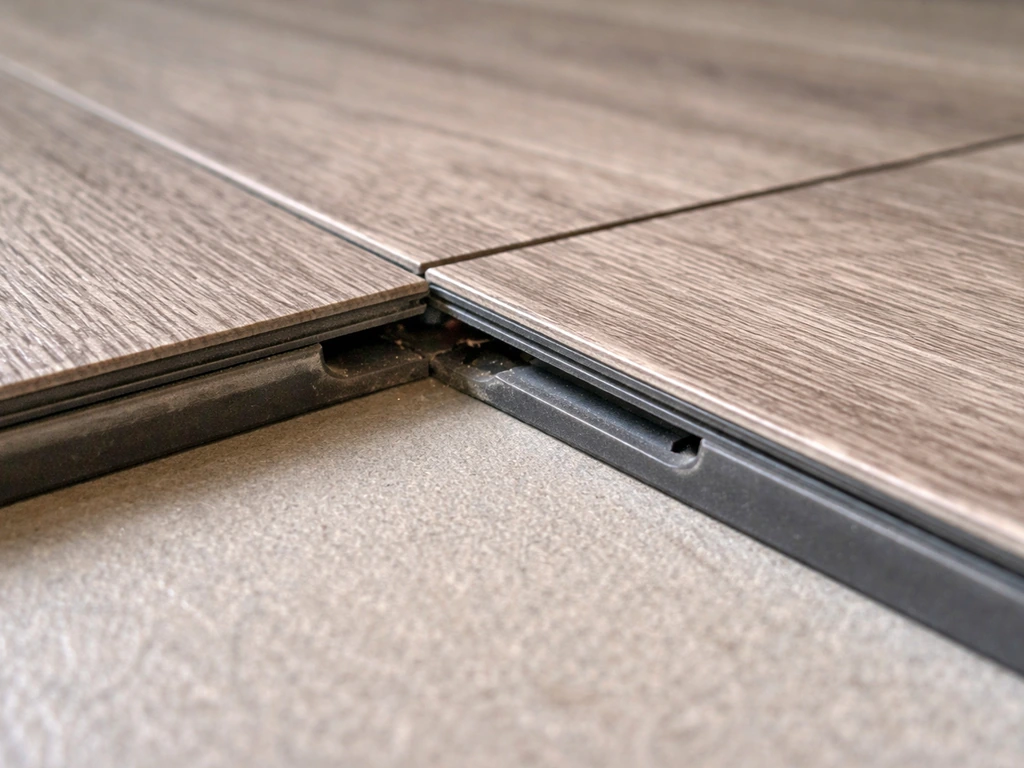
Tiles lifting or separating
This is the most common complaint. It usually happens either because the connectors weren't clicked fully during installation or because the base surface has a bump or lip that's pushing a tile upward. Fix: disassemble the affected section, re-check the base surface for leveling issues, and re-click the tiles more firmly. Make sure adjacent tiles are fully seated before moving on.
Uneven surface after installation
If your base surface has an irregular slope or a dip in the middle, the floating tile system will telegraph that unevenness. The tiles are rigid, so they can bridge small gaps but will rock over larger ones. Address base surface irregularities before installation, not after. A bag of concrete leveling compound from a hardware store handles most dips.
Poor drainage and pooling water
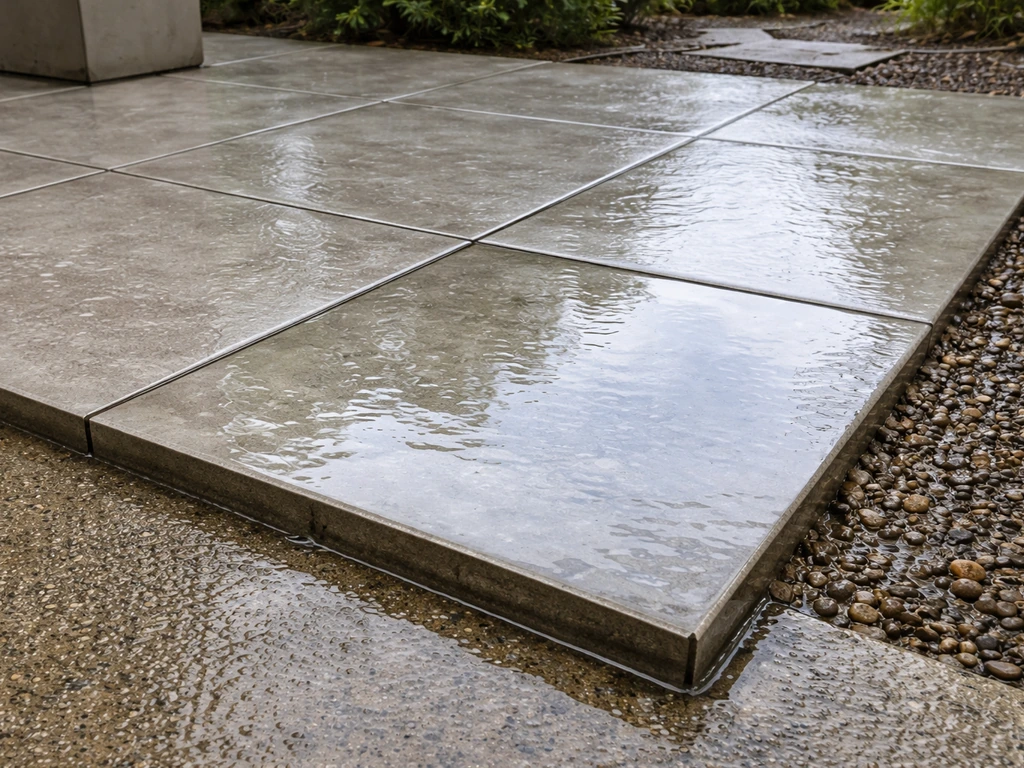
If water pools on or under your tiles, the issue is almost always the base surface slope, not the tiles themselves. ALTAPPEN tiles have feet specifically designed to let water drain through, but those feet are only helpful if the water has a direction to flow. Check that your base slopes at least 1/8 inch per foot away from any wall or structure. If you've got a dead-flat concrete pad with no drain, that's a design problem you need to address at the base level.
Wood tiles warping or cracking
Acacia RUNNEN tiles that haven't been sealed will dry out and crack, especially in hot, low-humidity climates. If you're already seeing cracks, apply an acacia or teak oil immediately. For tiles that have warped and won't lay flat, the warp is usually moisture-related: too wet on one side, too dry on the other. Store warped tiles flat with a weight on top for a few days and see if they relax back. If not, replace them since the connector tabs on a badly warped tile won't engage properly anyway.
Mold growing under tiles
Lift the affected section, scrub the base surface with a diluted bleach solution, let it dry completely (ideally 24 to 48 hours), and reinstall. Going forward, lift and air out the tiles at least once a season in shaded or damp areas. This is manageable maintenance, not a dealbreaker, but it is a commitment you should expect if you're installing these in a north-facing or heavily shaded location.
Your next steps: what to buy and what to do today
Here's the straightforward buying guide based on everything above:
- Measure your patio or balcony in square feet. Add 10 to 15% for cuts and waste.
- Choose your product: ALTAPPEN for durability and wet areas, RUNNEN acacia for a premium wood look with annual maintenance, RUNNEN composite for a mid-range balance, or RUNNEN artificial grass for balconies and play areas.
- Order enough packs to cover your area plus your buffer. Remember each pack is 9 sq ft (RUNNEN/ALTAPPEN) or 10 sq ft (UTLÄNGAN).
- Add a pack of RUNNEN edging strips for any exposed perimeter edges.
- If using wood or acacia tiles, add a bottle of teak or acacia oil to your cart before you even open the tile boxes.
- Prep your surface: clean, level, and verify drainage slope before the tiles arrive.
- Install in a dry weather window with at least 48 hours of no rain forecast.
- Plan for seasonal disassembly if you're in a cold climate and using wood or composite tiles.
The total cost for a 100 sq ft balcony using RUNNEN tiles typically runs $150 to $250 including edging strips, which is genuinely hard to beat for a no-tool, same-day installation that looks good and makes the space usable. Just go in knowing these are a 3 to 7 year solution with proper care, not a permanent deck. If you want to go deeper on IKEA's specific outdoor tile products, the IKEA patio tiles review on this site covers individual product performance in more detail.
FAQ
Can IKEA click-together patio tiles be installed over existing concrete or pavers without removing anything?
If you have pavers or concrete that are generally solid, you can usually install over them, but the key is flatness and drainage direction. IKEA tiles are a floating system, so any rocking comes from a bump, lip, or dip in the base. Before buying, run a straightedge across the whole area, and confirm water can move away from the pad, not sit in the center.
Is it okay to mix different IKEA tile models (like RUNNEN and UTLÄNGAN) in the same area?
Yes, you can mix some colors and even some product lines, but do it intentionally because the connector design and tile thickness can vary by model. Stick to the same product name and color code for the installed field, then only mix in edging strips or replacement packs that match the exact version you used originally.
How do I protect the tile connectors if I have heavy outdoor furniture or big planters?
For heavy furniture, the best protection is to reduce concentrated load on the connector points. Put furniture feet pads under every leg, use wider bases when possible, and place planters with a saucer or pedestal that spreads weight rather than “pointing” weight onto the seam. If you expect cast iron or very heavy items, consider ALTAPPEN for more forgiving weather exposure, but still plan for weight distribution.
What should I do if tiles start to lift or separate after a few months?
IKEA’s floating tiles can loosen over time if the base shifts or becomes wet under the edges. Check your perimeter edging first, then look for any sections where tiles lift or gaps appear. The quick fix is to disassemble that area, clean the base, verify slope, and re-click fully, then confirm the edging strips are installed to hold alignment.
What’s the safest cleaning method if my wood or composite tiles get mildew or stains?
In general, you should not pressure-wash wood or composite tiles repeatedly. Use a mild soapy wipe for wood-based RUNNEN, keep cleaning frequent but gentle, and avoid harsh chemicals that can damage the surface finish. If you have stubborn mildew, lift sections and clean the underside and base instead of scrubbing harder on top.
Can I install over cracked or uneven concrete if I just use more tiles or padding?
Not safely in most cases. Unless the base is already designed for a floating system, you can end up trapping water and accelerating mildew underneath. If the concrete is cracked, crumbling, or badly uneven, treat it before tiling (level high spots, patch low spots), because the rigid tiles can bridge small gaps but will magnify larger irregularities.
Which IKEA option is best if I live in a rainy area and want the least ongoing maintenance?
Choose based on how your area gets wet and whether you can manage seasonal care. ALTAPPEN is the easiest for persistent rain or humid regions, artificial grass helps with wet grip but can overheat in sun, and wood-based RUNNEN looks best but needs annual sealing and more attention in freeze-thaw areas. If your goal is “set it and forget it,” ALTAPPEN typically reduces the amount of periodic disassembly you need.
How often should I lift sections to clean underneath?
In most climates, expect to clean under the tiles and air them out at least once per season if you get damp or shaded conditions. For damp environments, plan a regular disassembly routine, clean the base, and reinstall, because mildew tends to start under the system where airflow is limited.
If one or two tiles crack or stain, can I replace only those pieces?
IKEA tiles are designed for replacement, so a cracked piece is not a full redo. Keep the same product name and color code, then buy a replacement 9 to 10 sq ft pack for that exact version. Swap only the damaged tiles, re-check that adjacent tiles are fully seated, and replace any connectors that have been stressed.
How should I handle odd-shaped patios, stairs, or tight edges with IKEA deck tiles?
Yes, but you need to plan for edge exposure and consistent spacing. Use IKEA edging strips or cut tiles so the perimeter looks intentional and the system stays aligned. For small adjustments around walls, measure twice and dry-fit the outer row, because the tiles are rigid and poor perimeter planning is a common cause of later lifting.