
IKEA's patio tile lineup is a solid budget-to-mid-range option for most homeowners, but not every tile works for every space. The click-together RUNNEN system in polypropylene is the most versatile pick for balconies and flat concrete patios. If you want a premium look, MÄLLSTEN with its ceramic top is harder-wearing and better for high-traffic spots.
Ikea Patio Tiles Review: Best Options, Fit, and Installation Tips

Grant Hollis
13 Jun 2026
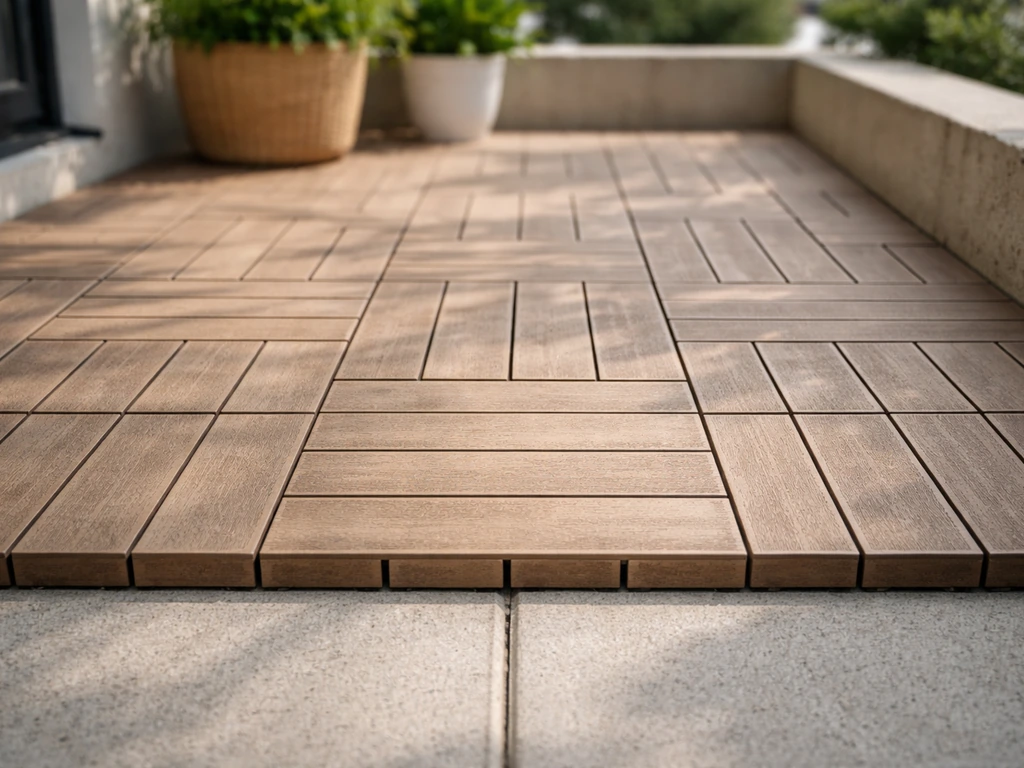
On IKEA's MÄLLSTEN bottom-part product page, the bottom part is stated to be compatible only with the matching MÄLLSTEN top part MÄLLSTEN with its ceramic top is harder-wearing and better for high-traffic spots. .
ALTAPPEN is the easiest to install but carries a slip warning when wet. UTLÄNGAN splits the difference with a wood-composite feel. The right choice depends on your surface, climate, and how much foot traffic you're dealing with, and getting that decision right upfront saves you a frustrating redo six months later.
What IKEA patio tiles are (and the main styles you'll choose between)
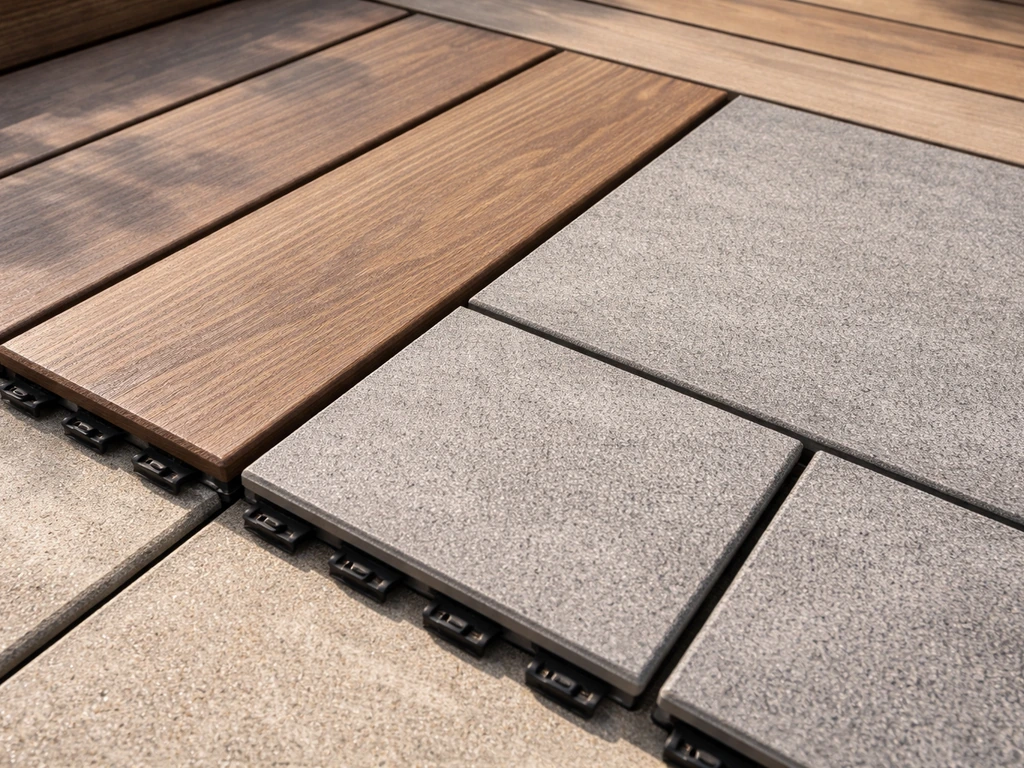
IKEA sells outdoor floor decking as modular, click-together tile systems rather than traditional stone or ceramic pavers. IKEA provides blank" rel="noopener noreferrer">assembly instruction PDFs for RUNNEN corner strip outdoor floor decking. Each pack snaps together without tools or adhesive, and you can cut them to fit edges or expand coverage by buying more packs. The current US catalog has four main systems worth knowing: RUNNEN, ALTAPPEN, UTLÄNGAN, and MÄLLSTEN.
RUNNEN is the flagship. It comes in multiple finishes including dark grey, acacia-style wood-look, an artificial grass variant, and a textile/soft-top version. Each pack covers 0.81 m² (about 9 sq ft) and contains nine individual tiles at 30 cm x 30 cm each, 2 cm thick. The dark grey version is made from polypropylene with at least 50% recycled content. Weight per pack is about 4.33 kg. It has its own ecosystem of edging strips and corner pieces that snap on to give borders a finished look, and those same accessories are compatible with MÄLLSTEN and UTLÄNGAN.
ALTAPPEN is a polypropylene click system that comes in light gray and a few other tones. Each pack also covers 9 sq ft and contains nine 12x12 inch tiles. It's UV-stabilized and weather-resistant per the product spec. The important disclaimer on the IKEA product page: these tiles may be slippery when wet. That's a real limitation for any space that gets rain or morning dew regularly.
UTLÄNGAN uses a wood-composite construction, making it look and feel closer to a traditional deck board. It's marketed as weather-resistant and easy-care. It snaps into the same edging accessories as RUNNEN. If you want the warmth of a wood deck without the maintenance headache, this is the closest IKEA gets.
MÄLLSTEN is the most distinctive system. It has a two-part structure: a polypropylene base (made from at least 20% recycled content, 11 mm thick, 30x30 cm) that you click together first, then ceramic top tiles that lock in on top. The ceramic top tiles are dry-pressed with a water absorption rate of just 0.5% or less, which is technically equivalent to porcelain-grade ceramic. This system is heavier, denser, and noticeably more premium underfoot.
| System | Material | Tile Size | Pack Coverage | Thickness | Key Distinction |
|---|---|---|---|---|---|
| RUNNEN | Polypropylene (50%+ recycled) | 30x30 cm | 0.81 m² / 9 sq ft | 2 cm | Most finish variety, widest accessory ecosystem |
| ALTAPPEN | Polypropylene (20%+ recycled) | 12x12 in (≈30x30 cm) | 9 sq ft | Similar to RUNNEN | Easiest install, but slippery when wet |
| UTLÄNGAN | Wood composite | Varies | 10 sq ft per pack | N/A | Closest to a deck-board look and feel |
| MÄLLSTEN | PP base + ceramic top | 30x30 cm base | 0.81 m² / 9 sq ft | 11 mm base + ceramic top | Most durable, ceramic surface, two-part system |
Where these tiles actually work well (and where they don't)
IKEA is upfront about one non-negotiable: these tiles need a hard, even, stable surface underneath. The product documentation explicitly states they require a substrate like concrete, stone, or wood, not soft ground, loose gravel, or dirt. That rules them out for most backyard lawns or garden paths without additional prep work.
For balconies and rooftop terraces, any of the IKEA click systems work well. The lightweight polypropylene versions (RUNNEN, ALTAPPEN) are especially practical here since you're not adding much load. The built-in drainage channels in the tile design let water run through rather than pool, which matters on a balcony that doesn't drain quickly.
Flat concrete patios are the ideal environment. The tiles click together cleanly on a level slab, they're easy to lift for cleaning underneath, and they sit tight without any movement. If your concrete slab has minor surface imperfections but is structurally sound and roughly flat, the 2 cm height of the RUNNEN tiles will span small cracks without issue.
Existing wood decks work too. RUNNEN and UTLÄNGAN both sit cleanly on a flat deck surface and can refresh weathered boards without a full replacement. Just confirm the deck boards aren't warped or spaced unevenly before you start.
In freeze/thaw climates, the polypropylene systems hold up reasonably well since plastic doesn't absorb water and therefore doesn't crack from ice expansion. MÄLLSTEN with its ceramic top is rated to very low water absorption (under 0.5%), so freeze/thaw cycling shouldn't damage the top tiles either. The bigger issue in cold climates is the PP base connectors becoming brittle at extreme low temperatures. If you're in a zone that regularly dips below 0°F, consider storing tiles indoors for winter rather than leaving them assembled.
For heavy rain climates, the drainage design handles water well, but ALTAPPEN's wet-surface slip risk becomes a real concern. Stick with RUNNEN (especially the textured finishes) or MÄLLSTEN for consistently wet environments.
How they actually hold up: durability, slip resistance, UV, and drainage
Durability and weathering
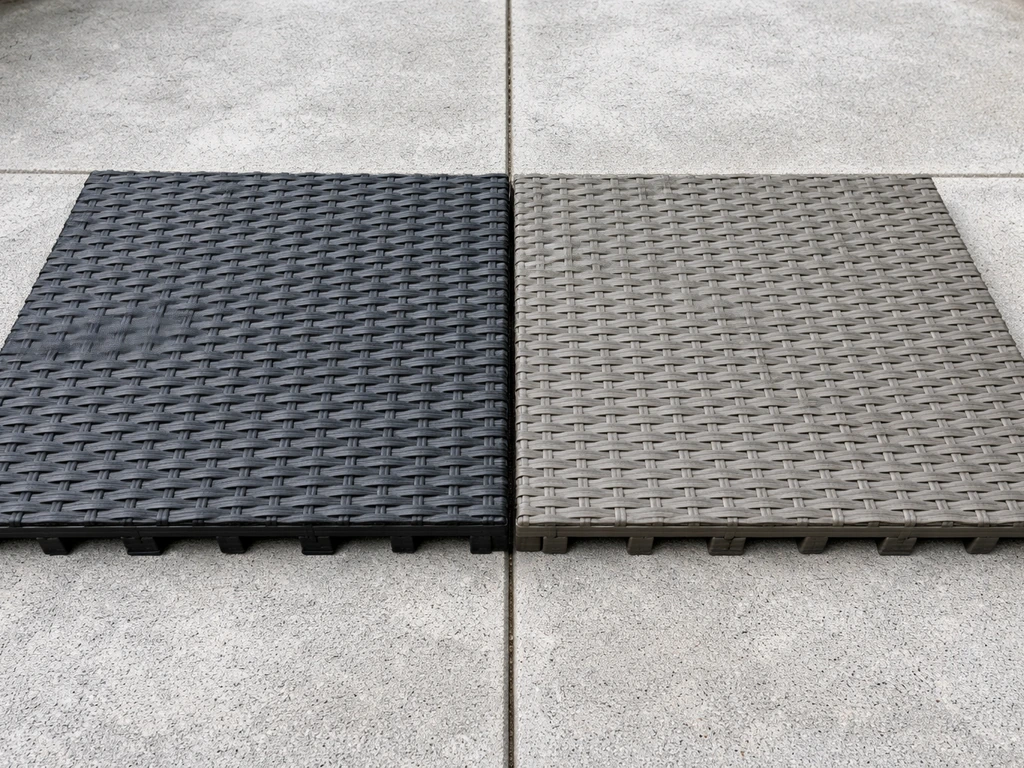
The polypropylene-based tiles (RUNNEN, ALTAPPEN, MÄLLSTEN base) are resistant to rot, rust, and moisture damage by nature. PP doesn't swell or warp the way natural wood does. UTLÄNGAN's wood-composite construction is more weather-resistant than solid wood but will show more wear over time than pure plastic, especially if left wet for extended periods. The MÄLLSTEN ceramic tops are essentially porcelain-grade tiles sitting on a PP grid, which means the surface itself is extremely hard and scratch-resistant.
Slip resistance
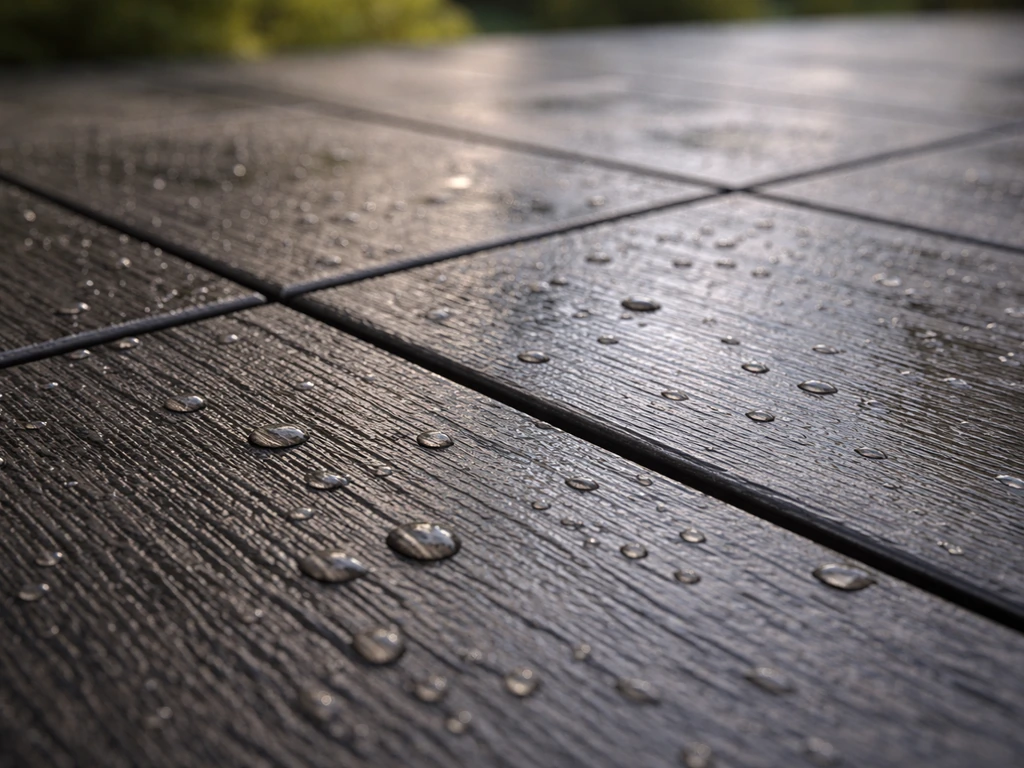
This is where you need to pay attention. IKEA explicitly flags ALTAPPEN as potentially slippery when wet. RUNNEN's textured finishes (the dark grey, wood-look variants) offer better grip. The artificial grass RUNNEN variant has a soft texture that provides decent grip but cannot go near grills or any open flame source since the artificial turf will melt. MÄLLSTEN's ceramic top tiles will depend on the specific surface texture of the ceramic, and glazed ceramics can also be slippery when wet, so positioning matters.
UV and fade resistance
ALTAPPEN is specifically listed as UV-stabilized on its product page. RUNNEN in darker finishes tends to show less visible fading over time than lighter tones. Wood-composite UTLÄNGAN will gray and lighten with prolonged UV exposure, similar to real composite decking. MÄLLSTEN's ceramic top is essentially impervious to UV fading, which is one of its strongest long-term advantages.
Drainage
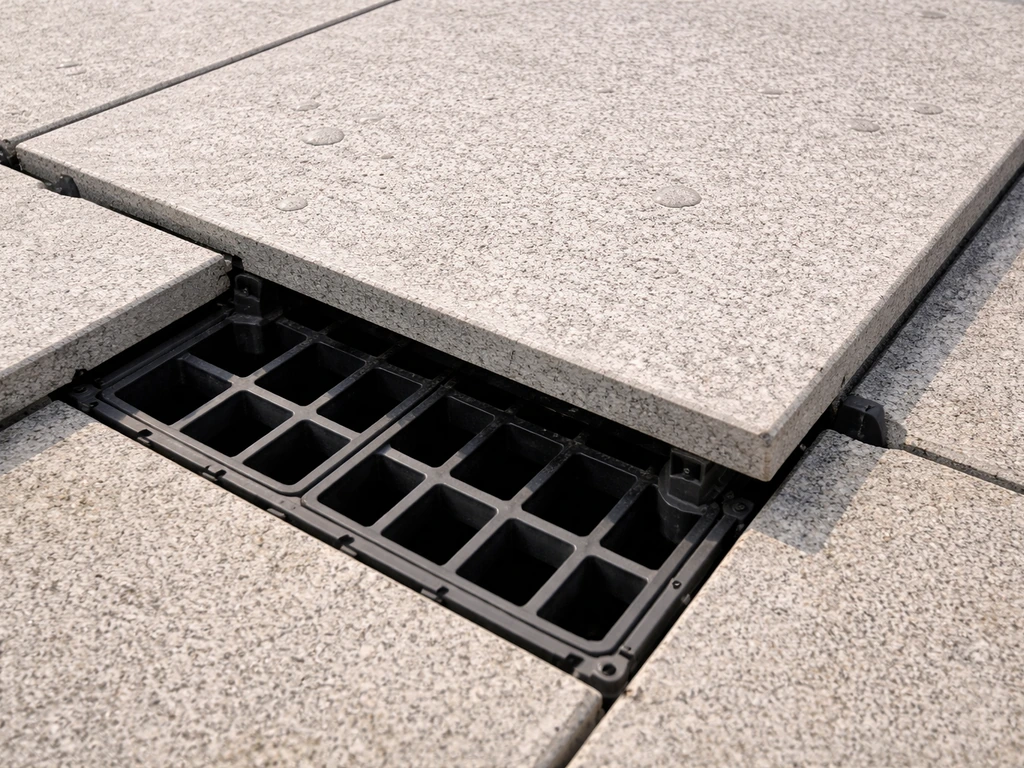
All the click systems have open grids underneath that allow water to pass through. This is by design for balcony and patio drainage. The gap between tiles and the spacing in the base structure means standing water is rarely an issue on a properly sloped or flat surface. Where drainage can fail is on a dead-flat surface with no slope and grout-tight tile placement, but that's a layout issue rather than a product defect.
Honest pros, cons, and how IKEA tiles stack up against alternatives
Let's be direct about what IKEA does well here and where it falls short.
- Affordable entry price: A 9 sq ft pack of RUNNEN or ALTAPPEN is accessible for almost any budget, making a 100 sq ft patio a real DIY project without major upfront cost.
- No tools, no adhesive, no professional needed: The click-together system genuinely works as advertised and most people complete a small patio in an afternoon.
- Reversible and movable: You can disassemble and reinstall if you move, rearrange furniture, or need to access the surface below.
- Decent finish variety: Between RUNNEN's multiple looks and MÄLLSTEN's tile-on-grid system, you get options from soft/natural to hard/industrial.
- Eco credentials: Several lines use 20-50% recycled polypropylene, which matters to some buyers.
- Accessory ecosystem: RUNNEN edging and corner strips give borders a clean finished look and are compatible across systems.
- Hard surface requirement limits use cases: If you don't have concrete or a solid substrate, you'll need to do prep work first.
- ALTAPPEN slip risk on wet surfaces: This is a significant safety limitation for outdoor use where rain is common.
- Connector durability over time: Plastic clips can become brittle in extreme cold or crack under repeated installation/removal cycles.
- Limited weight capacity for heavy furniture: Very heavy pieces like stone-top tables or large cast-iron grills can crack tiles or stress connectors over time.
- Wood-composite UTLÄNGAN shows wear faster than full plastic: It needs more care than the PP systems.
- Style range is relatively narrow: Compared to specialty patio tile retailers or natural stone options, the look is recognizably IKEA.
Compared to third-party interlocking tile brands, IKEA's pricing is competitive and the quality of the polypropylene materials is consistent. Brands like Portofino or specialty outdoor tile companies often charge more for similar or slightly more durable click systems. Where competitors beat IKEA is in slip-resistance ratings (some have dedicated R-ratings for wet surfaces) and heavier-duty connectors. If you're outfitting a commercial-grade space or a heavily trafficked family entertaining area, it's worth considering whether a more specialized brand earns its higher price. For balconies, smaller patios, and occasional-use spaces, IKEA delivers strong value.
How to install IKEA patio tiles the right way
What you need before you start
- A clean, hard, level substrate: concrete slab, stone, or a flat wood deck
- A tape measure and chalk line or painter's tape to mark your layout
- A utility knife or fine-tooth handsaw to trim edge tiles to fit
- A rubber mallet for stubborn connectors (rarely needed but useful)
- Enough packs: measure your area in sq ft, divide by 9 (for RUNNEN/ALTAPPEN packs) or 10 (for UTLÄNGAN packs), and round up
- RUNNEN edging strips and corner pieces if you want finished borders
Step-by-step installation
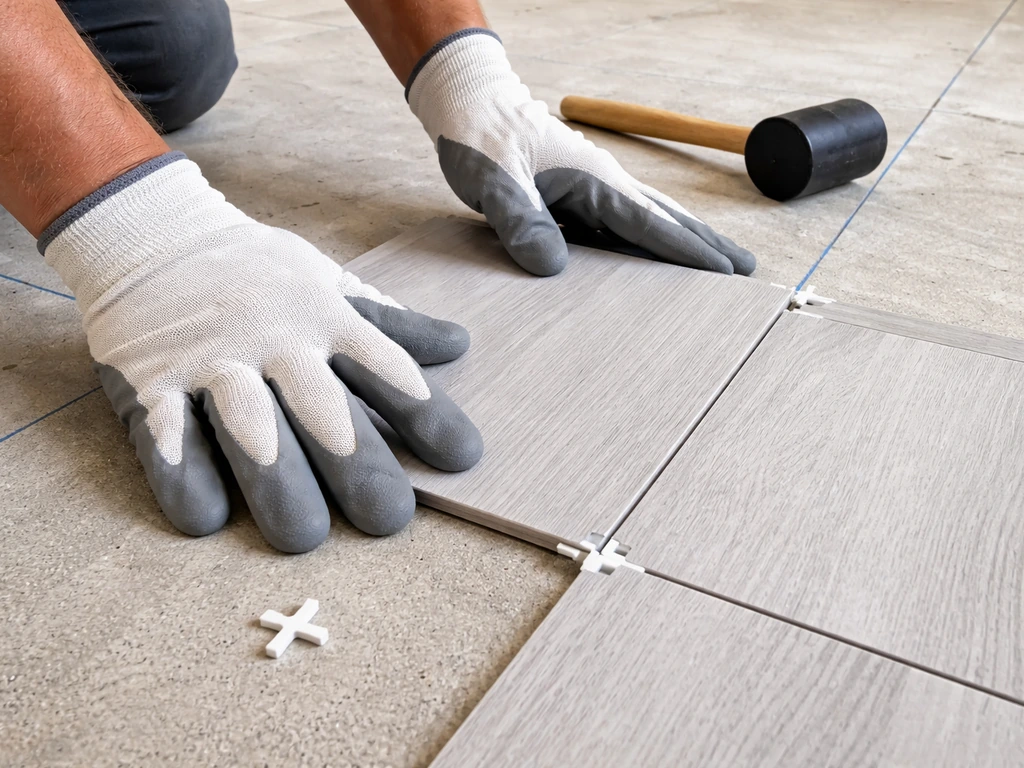
- Clean the substrate thoroughly. Sweep out debris, pressure wash if needed, and let it dry completely. Dirt and grit under tiles cause uneven spots and grinding sounds.
- Plan your layout before clicking anything together. Start from the center or the most visible corner and work outward. This avoids ending up with tiny cut pieces at visible edges.
- Snap tiles together on a flat section of ground first to get a feel for the connector pressure. They click firmly but shouldn't require excessive force. If you're forcing them, check for debris in the connector.
- Work row by row, clicking horizontal connections first and then locking rows to each other.
- At edges, measure and mark cut tiles. Score repeatedly with a utility knife along a straight edge and snap, or use a fine-tooth saw for cleaner cuts.
- Attach edging strips by snapping them onto the outer border tiles. These lock on without tools and give the perimeter a polished finish.
- For MÄLLSTEN: click the PP base grid together first as a complete platform, then press ceramic top tiles into the base grid slots one by one.
- Once laid, walk the entire surface and press down any tiles that feel proud or loose. Check that connectors are fully engaged.
Common mistakes that cause wobbling, gaps, and water pooling
- Installing on a dirty or wet surface: even a thin layer of sand or grit can prevent connectors from seating fully, leading to wobble.
- Skipping the center-out layout: starting from a wall corner often leaves visible narrow cut strips at the opposite end.
- Not accounting for thermal expansion: in very hot climates, polypropylene expands slightly. Leave a 5mm gap at walls and fixed edges to prevent buckling.
- Using ALTAPPEN on a wet or shaded surface without anti-slip mats in key spots: the product's own wet-surface warning is there for a reason.
- Placing the RUNNEN artificial grass variant anywhere near a grill, fire pit, or heat source: the artificial turf will melt.
- Buying exactly the right number of packs with no buffer: always order one extra pack for cuts and future repairs.
Keeping them clean and making them last
Routine cleaning is straightforward. For ALTAPPEN and RUNNEN polypropylene tiles, use a mild soapy solution and wipe or scrub dry with a clean cloth. Avoid abrasive cleaners or pressure washing directly at the tile connectors at close range since this can stress the plastic clips over time. A garden hose at normal pressure is fine. For the artificial grass RUNNEN variant, stick to rinsing and gentle brushing rather than scrubbing.
MÄLLSTEN ceramic tops can handle tougher cleaning. Mild detergent works for general grime. Avoid acidic cleaners (like vinegar) on the ceramic surface if you want to protect any surface treatment.
For UTLÄNGAN wood-composite tiles, clean with mild soap and water and avoid prolonged pooling of water. You can apply a composite deck cleaner occasionally to restore appearance.
One of the best features of these click systems is that you can disassemble sections to clean underneath. Debris, leaves, and moisture can collect under tiles over a season, and that buildup can breed mildew. Lifting a section every few months in wet climates and hosing down both the tiles and the substrate takes maybe 20 minutes and extends the life of both.
For seasonal care in freeze/thaw climates, the safest approach is to remove the tiles before the first hard freeze, rinse them, dry them, and store them flat in a garage or basement. Polypropylene becomes more brittle in extreme cold, and ice forming in connector channels can crack them. Reassembly in spring takes an hour or less.
Realistic lifespan: with regular cleaning and off-season storage in harsh climates, RUNNEN and ALTAPPEN polypropylene tiles should last 5 to 8 years before connectors start showing signs of fatigue or surface fading becomes noticeable. MÄLLSTEN's ceramic tops will outlast the plastic base and can be popped out and replaced individually if tiles chip. UTLÄNGAN falls in the 4 to 7 year range depending on weather exposure. For pets and kids, all the PP systems are a good match since they're easy to clean and don't splinter.
Your buying checklist before you order
Before you add anything to your cart, run through this quickly.
- Measure your space in square feet. Multiply length by width for a rectangle, or break irregular shapes into rectangles and add them up.
- Divide your total square footage by 9 (RUNNEN, ALTAPPEN, MÄLLSTEN packs) or 10 (UTLÄNGAN packs) and round up to the nearest whole number. That's your minimum pack count. Add one extra pack as a buffer for cuts and spares.
- Confirm your substrate. Is it hard, level concrete, stone, or wood? If yes, you're ready. If not, you need to address that first.
- Decide on slip resistance priority. If your space gets rain, shade, or morning moisture regularly, skip ALTAPPEN or plan to add anti-slip mat sections in key areas. RUNNEN textured finishes or MÄLLSTEN are better bets.
- Check climate. Freeze/thaw zone means plan for seasonal storage. Hot, sun-intense zone means go for UV-stabilized PP (ALTAPPEN spec calls this out explicitly) or MÄLLSTEN ceramic.
- Think about what's going on the tiles. Grill nearby? Keep it off the artificial grass RUNNEN tiles. Heavy cast furniture? MÄLLSTEN's ceramic surface handles point loads better than hollow PP.
- Budget for edging. RUNNEN corner and edge strips add a finished look and are compatible with RUNNEN, MÄLLSTEN, and UTLÄNGAN. Calculate the perimeter of your space to estimate how many strips you need.
- Check IKEA's current availability for your chosen system. Stock gaps are common, so order everything in one go or verify that you can source additional packs from the same production batch for color consistency.
For most people with a flat concrete balcony or patio, [RUNNEN in a dark grey or wood-look finish](/ikea-patio-flooring-review) is the default right answer: the widest availability, the strongest accessory ecosystem, and a proven track record. Step up to MÄLLSTEN if you want something closer to permanent and premium. Choose UTLÄNGAN if the wood-deck aesthetic matters more than maximum durability.
And if you're comparing this to wider outdoor flooring options or thinking about how tiles fit into a broader patio setup, it's worth considering how the flooring system coordinates with your furniture choices, since the two decisions reinforce each other more than most people expect. If you are also shopping for seating, these Gotland patio furniture reviews can help you match the right style with your tile finish patio setup.
If you’re pairing these tiles with a furniture layout, it helps to cross-check options with delnavik patio furniture reviews before you buy. If you're also shopping for seating and accessories, check nardi patio furniture reviews to match your new patio surface with comfortable, durable furniture. If you want the quick take on which system fits your patio best, this IKEA patio flooring review breaks down the pros and cons by tile type and conditions.
If you're also shopping for Berlin gardens patio furniture, it's smart to match the tile finish to your furniture style so the whole patio looks cohesive patio setup. If you’re also shopping for seating, compare these results with kettler patio furniture reviews so your patio looks and performs as a matched set. If you want to pair your tile choice with the right seating, see our kullavik patio furniture reviews before you buy patio setup.
If you are also choosing seating and side tables, a dedicated ikea patio furniture review can help you match styles and materials to your new tiles.
FAQ
Do IKEA patio tiles need a special underlayment for best results?
They do require a hard, level, stable substrate, but you usually do not add a separate underlayment layer. If your concrete has texture or small pits, aim for a flatter base by grinding high spots and filling low areas, because the click joints do not compensate for major dips.
Can I install IKEA patio tiles over existing pavers or deck boards?
You can on existing wood decks if boards are not warped and spacing is even, but you should avoid loose or flexing pavers. If you place them over uneven masonry, you may get rocking at tile edges and faster connector wear, even if the surface looks “mostly flat.”
How do I handle transitions to door thresholds, steps, or drains?
Plan for a slight working gap and use the system edging pieces to frame edges near doors or stairs. Around drains, confirm water can pass through the under-grid, do not pack the area with debris, and avoid blocking the drainage channels with cut tiles that sit too tightly.
What’s the safest way to cut tiles to fit the perimeter?
Cut pieces should keep the click edges intact, so measure twice and dry-fit before snapping anything permanently. If you cut close to connection points, deburr the edge so the connector locks cleanly, otherwise you can end up with misaligned tiles and gaps.
Do these tiles get slippery in snow or when there’s ice?
The polypropylene finishes generally help, but none of the systems are designed as ice-melt traction flooring. For freeze areas, remove tiles before hard freezes as recommended, and avoid throwing salt or sand directly into connector channels because it can accelerate grime buildup under the grid.
How should I clean mildew that accumulates under the tiles?
Because the systems lift in sections, remove a section in affected areas, hose the underside and the substrate, and let everything dry fully before reassembly. If mildew is persistent, use a mild, non-acid cleaner on the surface and connectors, and rinse thoroughly to prevent residue from trapping moisture again.
Can I pressure wash these tiles?
Light rinsing is fine, but avoid high-pressure washing directly at the click connectors from close range. The connectors are plastic, and concentrated force can stress clips over time, leading to loosening and uneven tiles.
Is ALTAPPEN safe for areas that get morning dew or light rain regularly?
It can be a problem, ALTAPPEN is explicitly flagged for wet slipperiness. If you have regular dew, consider RUNNEN textured finishes or MÄLLSTEN, and position any frequently wet areas where people walk with extra caution or non-slip outdoor mats.
How can I choose the right finish for visibility of dirt and fading?
Dark grey RUNNEN tends to hide fading better than lighter tones, and it also shows less staining than light wood-look finishes. For wood-composite UTLÄNGAN, expect graying over time, and plan on occasional composite deck cleaner use to keep the look uniform.
Do MÄLLSTEN ceramic tops resist scratches and furniture scuffs?
The ceramic top is hard and scratch-resistant, but it can still be slippery when wet depending on the ceramic texture. Use furniture glides or outdoor pads, and avoid dragging metal chair frames across the surface because repeated abrasion can still wear down grout-like edges.
What’s the biggest installation mistake that causes wobbling or gaps?
The most common issue is an uneven or soft substrate. If the base rocks or has localized depressions, tiles will not seat evenly, and the perimeter edging can pull away slightly over time, creating a trip edge and increasing stress on connectors.
Can I expand an existing installation later?
Yes, these are modular. Keep leftover edging and a few spare tiles if possible, because future batches may have slight finish variation, and matching accessories matters for a consistent border around the expanded area.
How long do the accessories and borders last compared to the tile grid?
The plastic edging and corner pieces are typically the first to show stress if the base shifts or if heavy objects are dragged across the perimeter. If you see whitening or cracking at corners, fix the underlying flatness early, because worn edges usually lead to misalignment of the tile grid.
Are these tiles pet-friendly and comfortable to walk on barefoot?
The polypropylene systems are easy to clean and do not splinter, which is helpful for pets. For barefoot comfort, RUNNEN with wood-look or textile-like variants generally feels better than ceramic tops, but any smooth surface can feel slick when wet.