
Homecrest is genuinely worth buying in 2026 if you want commercial-grade outdoor furniture with a long-term mindset, a realistic maintenance routine, and a budget that stretches past big-box basics. The brand sits in the mid-to-upper premium tier, with powder-coated aluminum frames, field-replaceable sling systems backed by a 5-year residential warranty, and a parts ecosystem that keeps chairs in service for decades. I've seen Homecrest pieces survive 25-plus Florida summers looking nearly new, and restoration shops that handle vintage outdoor furniture regularly report structurally sound Homecrest frames coming in with nothing more than worn fabric. That's the clearest signal of what you're actually buying: a frame that outlasts its cushions or slings, not the other way around.
Homecrest Patio Furniture Reviews: Picks, Pros, Cons

Quick Verdict: Who Homecrest Is Best For (and Who Should Skip It)
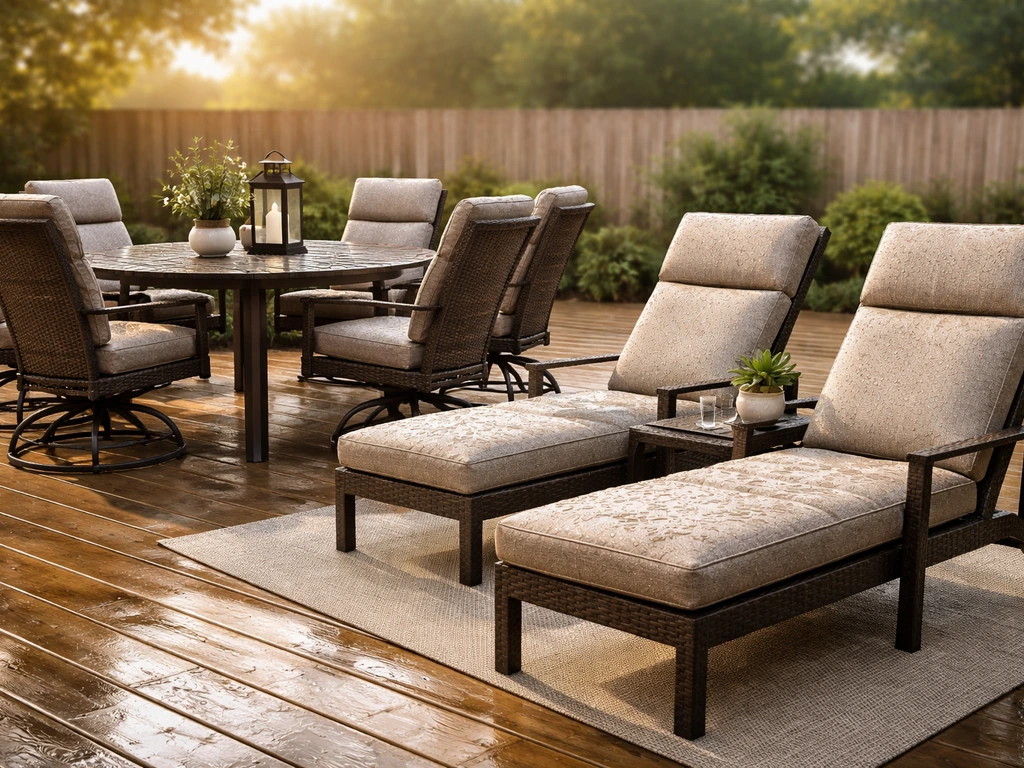
Homecrest makes the most sense for homeowners who plan to use their patio furniture hard and keep it for 10 to 20-plus years. Think: covered patios in humid climates, full outdoor living rooms, frequent hosting, or anyone who's already replaced a set of cheap furniture twice and is tired of the cycle. The brand also suits buyers who want to customize fabric or replace worn slings without buying a whole new set, since Homecrest's replacement parts program is one of the more functional in the industry.
Skip Homecrest if you're outfitting a rental property, need furniture in two weeks, or are working with a tight budget under $500. The price point is real, the lead times through specialty dealers can be long, and you won't find it at your local hardware store. Shoppers in that space might be better served looking at Home Depot patio furniture options or budget-conscious brands. If you want a quicker shortcut, look up Home Depot patio furniture reviews to compare comfort, materials, and how different sets hold up over time. Similarly, if your outdoor space changes frequently or you prefer a seasonal, throw-it-away approach, Homecrest's longevity premium won't pay off for you.
How I Evaluated Homecrest: Materials, Build, Comfort, and Durability
I looked at Homecrest across four core areas: frame materials and build quality, seating comfort technology, weather and durability performance, and long-term ownership cost including parts availability. Here's what actually matters in each category.
Frames and Finish
Homecrest uses powder-coated aluminum across most of its current collections. Some "weight collections" use custom aluminum extrusions for the arms and base, adding corrosion resistance, while powder-coated solid-steel cross bars and internal side rails are added specifically for weight and stability. That combination matters because a light aluminum chair in a coastal breeze is annoying; adding dead weight through steel hardware keeps pieces planted without sacrificing the rust-resistance you get from aluminum.
The powder coating is factory-applied and described as needing limited upkeep, but one thing Homecrest actually warns about on its care page is worth knowing: moisture can accumulate inside hollow tubing, freeze in cold climates, and crack or distort the frame over time.
Homecrest’s product care for metal frames explains that powder coating helps create a durable finish with limited upkeep, but moisture can accumulate inside hollow tubing, freeze in cold climates, and crack or distort frames over time powder coating is factory-applied and described as needing limited upkeep. If you live somewhere with real winters, storing pieces or at minimum tilting them to drain before a hard freeze is not optional.
Seating Systems: Sling, Padded Sling, and Air
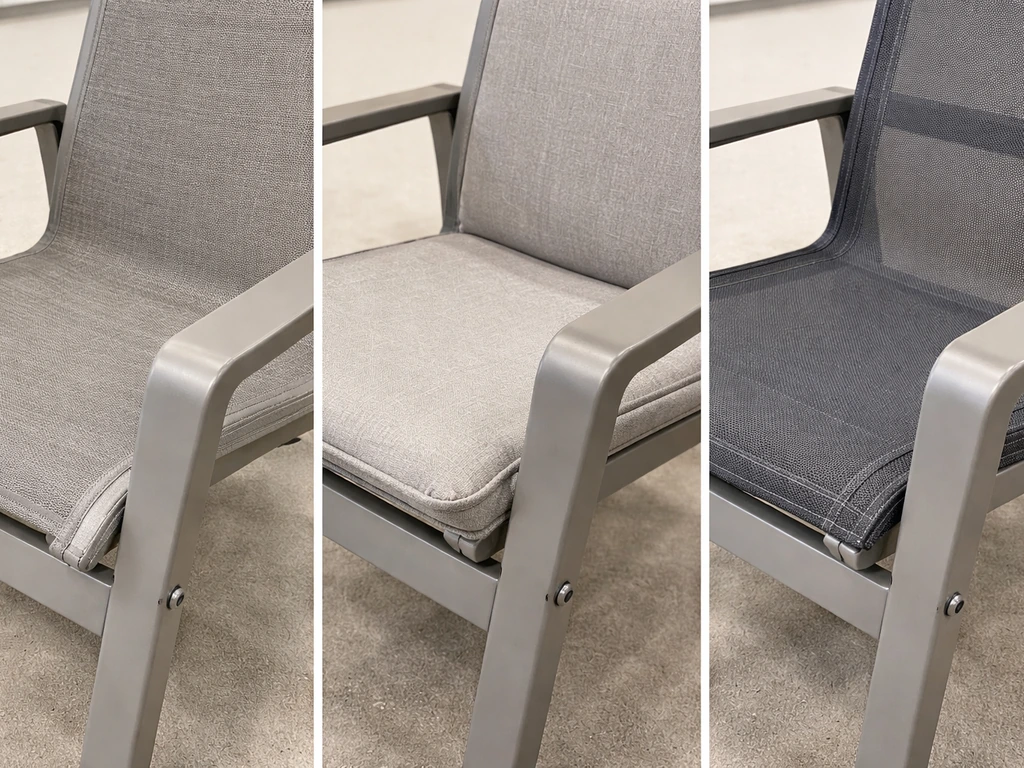
This is where Homecrest genuinely differentiates itself. Rather than a single fabric option, the brand runs three distinct seating approaches. The double-layer sling uses two layers of fabric for support and airflow, making it the best choice for hot, sunny climates. The padded sling adds front upholstery or cushioning on the seat side while keeping a sling back, which adds comfort without the full maintenance load of loose cushions. The "Air" collections are cushionless deep seating using Sensation sling fabrics, essentially a lounge-chair feel without any foam cushions to drag inside. All three come with a 5-year residential warranty and are field-replaceable, meaning you can swap out worn fabric without replacing the chair frame.
Cushion Quality (for Cushion Collections)
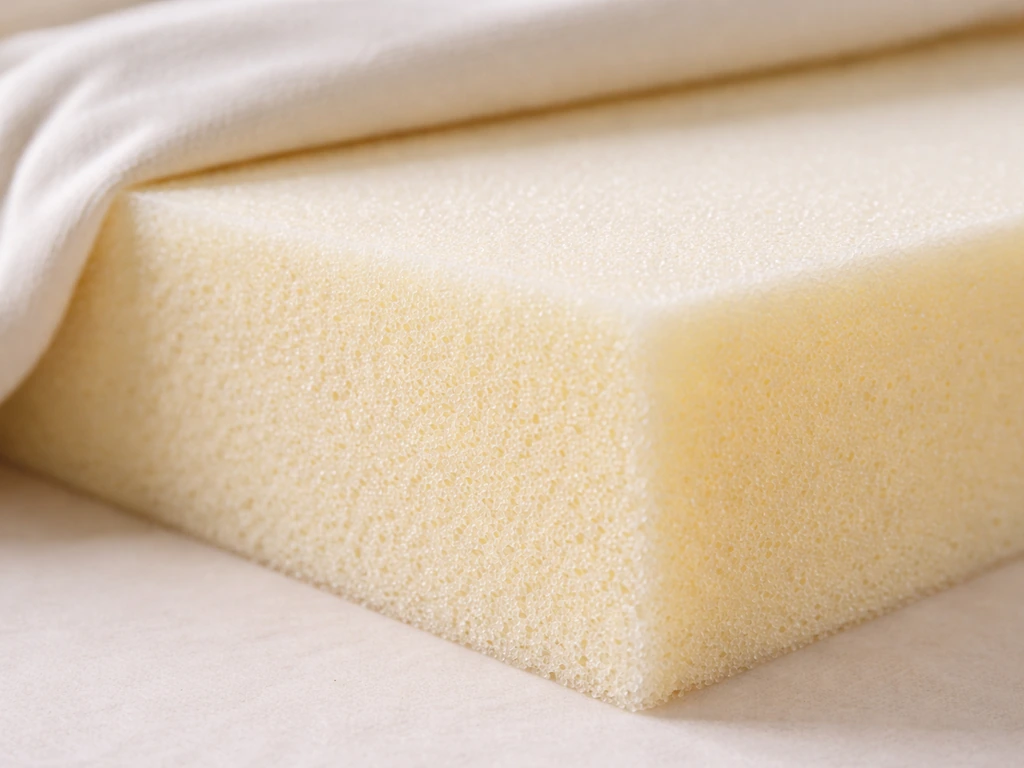
For the cushion-based collections, Homecrest uses its DreamCore cushion technology, which is built around high-resilience foam rather than conventional foam. High-resilience foam holds its shape and spring significantly longer under repeated compression, which matters for outdoor use where cushions get rained on, sat on, and stored improperly. The Blair cushion sofa, for example, ships with 8-inch DreamCore cushions. Some collections like the Rowan pair powder-coated aluminum frames with woven weather-resistant rope, and upscale sets use Sunbrella fabric marketed as UV and mold resistant. That Sunbrella combination is the current sweet spot for cushion longevity outdoors.
Top Homecrest Picks by Use Case
Best for Outdoor Dining: Elements or Stella Dining Sets
For a patio dining setup, the Stella 5-piece and Elements 7-piece sets are the most commonly available at specialty retailers like HOM Furniture. The Stella uses heavy-duty rust-resistant aluminum frames with Phifertex double-layer sling seats, which clean up with a hose and don't need to come inside. If you host regularly and want something that can handle real summer use without a maintenance routine, the sling dining chair is the right call. The Elements 7-piece steps up to a larger footprint and multiple seating configurations, making it appropriate for 6-person dining with room to spare.
Best for Lounging and Deep Seating: Elements Air or Modular Cushion Sectionals
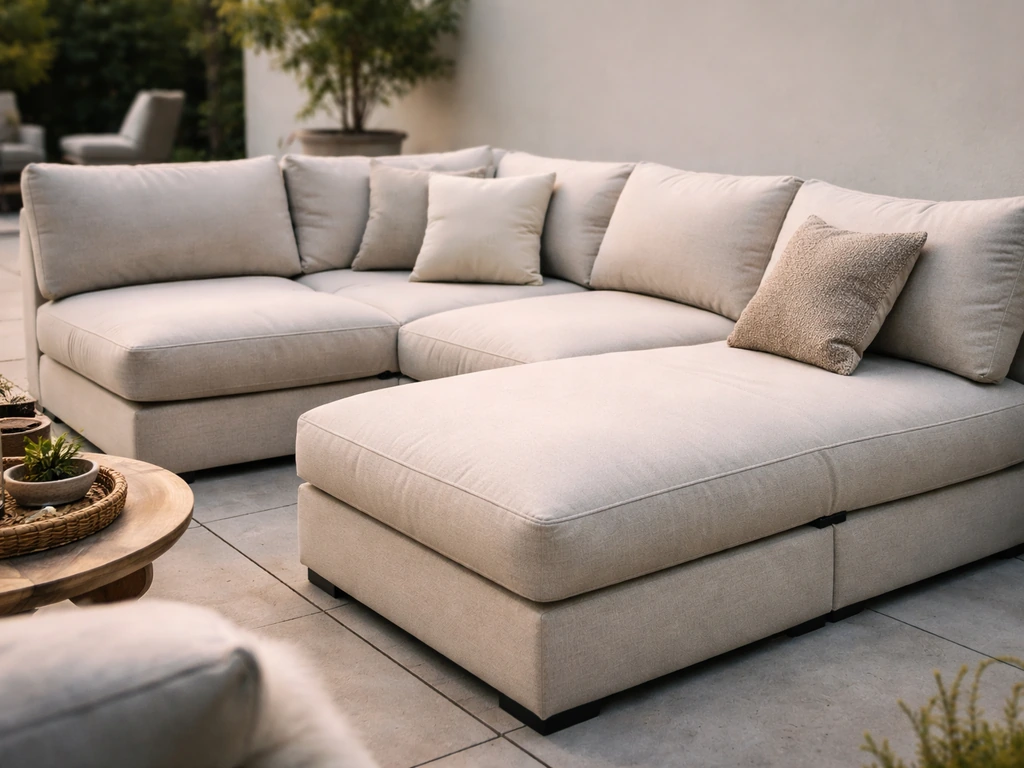
If you want a dedicated lounging area, the Elements Air set (available with a fire table option through retailers like USA Outdoor Furniture) gives you deep-seat comfort without the cushion management burden. The Sensation sling fabric is breathable and supportive, and the cushionless design is especially smart for high-humidity or rainy climates where foam cushions become a real maintenance issue. For buyers who want the full outdoor living room setup with cushions and modular flexibility, the Elements Modular Cushion Aluminum Sectional is available through retailers like Yard Couture and uses both DreamCore cushions and Sunbrella fabric. Expect to pay a premium for that configuration, but the modular format lets you reconfigure or add pieces later.
Best for Small Patios: Sling Chairs and a Bistro-Style Table
Homecrest's individual sling chairs pair well with a simple aluminum table for small patios or balconies. Because the slings are weather-resistant and the frames are relatively compact, you're not sacrificing durability for size. A pair of sling lounge chairs with a small side table is a practical Homecrest entry point that keeps cost manageable while still getting you into the brand's parts ecosystem. If you want, you can also check beachcrest home patio furniture reviews to compare how their patio setups stack up on comfort and durability.
Assembly, Care, and Maintenance: What to Actually Expect
Most Homecrest pieces arrive partially assembled and require basic hardware installation. Standard dining sets and chair assemblies are manageable with common tools. The more involved scenario is sling replacement, which is a real DIY task rather than a casual afternoon project. Homecrest's official replacement sling instructions call for a rubber mallet, a proprietary Homecrest Replacement Sling Tool, and a 7/16-inch ratchet or wrench. The process involves disassembling parts of the chair frame, threading the new sling, and reassembling under tension. It's doable for someone comfortable with DIY projects, and blank" rel="noopener noreferrer">Reddit threads confirm owners do it successfully without a repair shop, but it's not a five-minute swap. Plan for an hour or two per chair the first time.
For routine maintenance, Homecrest recommends cleaning frames and fabric with mild soap and water. For mildew, their 2026 catalog includes guidance on using a bleach solution (diluted) on fabric. Woven basket accessories and synthetic rope pieces are made from 100% synthetic materials and don't support mold or mildew growth, which is a meaningful low-maintenance advantage for humid climates. Cushions should come inside during extended rain or off-season storage, which reduces fading and extends foam life significantly. The Reddit owner who reported 25-year-old Homecrest furniture in Florida specifically mentioned bringing cushions inside for winter as part of the routine.
One important administrative step: Homecrest requires product registration at myhomecrest.com within 60 days of purchase to activate the warranty. If you skip this, you lose warranty coverage. Homecrest’s warranty terms in its warranty PDF also describe how warranty activation and replacement of required parts and fabrics can be handled at their discretion for sling and other components activate the warranty. Don't wait until something goes wrong to find out you're not registered.
Weather Resistance and Long-Term Performance
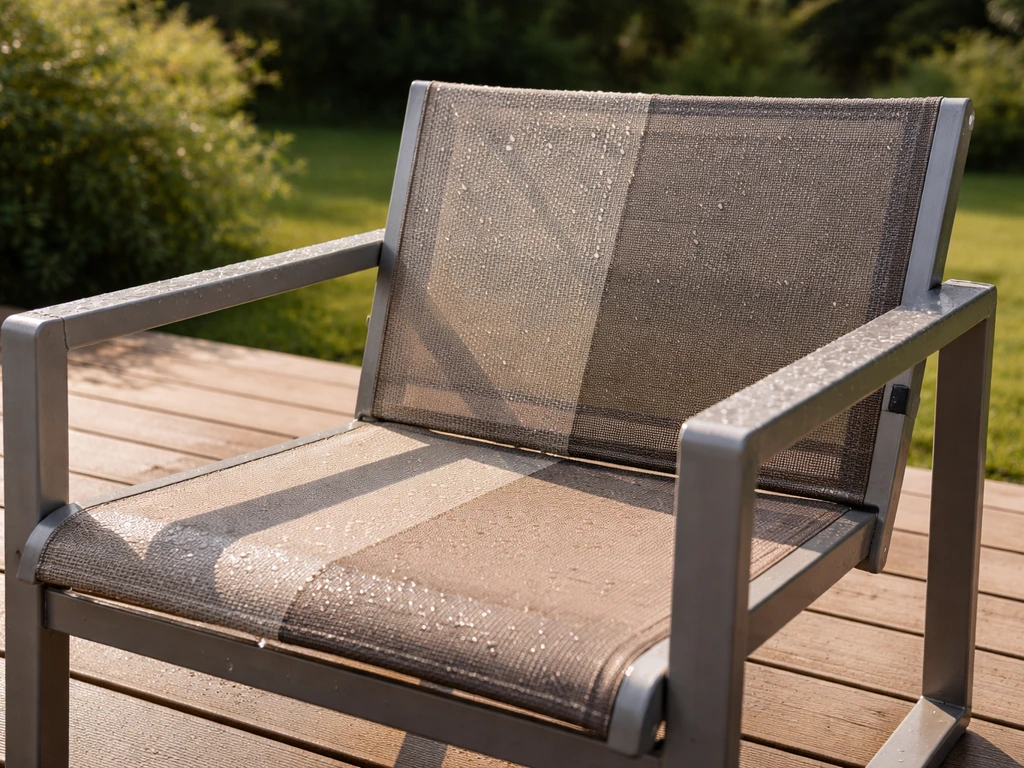
Homecrest's aluminum frames are the durability foundation. Aluminum doesn't rust, which is the most important quality for humid, coastal, or high-rainfall climates. The powder coating adds a layer of UV and chemical protection, though like any coating it can chip or fade over years of intense sun exposure. Restoration shops report seeing stuck swivels, loose wires, and worn fabric as the typical failure modes on older Homecrest pieces, but structurally intact frames are the norm. That means your realistic replacement cycle for a well-maintained Homecrest setup is: slings or cushions around 7 to 12 years, hardware and swivel mechanisms around 10 to 15 years, and frames potentially lasting 20-plus years.
For sun-heavy climates like the Southwest or South Florida, the sling and Air collections perform better long-term than cushion-based sets because there's no foam to degrade. If you're in a year-round wet climate like the Pacific Northwest, the synthetic frame materials handle moisture well, but you'll want to address the freeze-damage risk for hollow tubing if you get any frost. For hot-humid climates (Gulf Coast, Southeast), the sling options are genuinely the better product: they dry fast, don't harbor mildew, and don't need to come inside every night. Sunbrella fabric on cushion sets adds meaningful mold and UV resistance if you want the cushioned look without switching to sling entirely.
Value: How Homecrest Pricing Compares to Alternatives
Homecrest sits above mass-market patio brands and most big-box options in price, but below true luxury contract furnishing brands. A 5-piece dining set typically runs $800 to $1,500 depending on configuration and retailer, while a full modular sectional with DreamCore and Sunbrella can reach $3,000 to $5,000 or more. That's a real investment, and the comparison depends on what you're weighing it against.
| Brand / Tier | Typical 5-Piece Set Price | Frame Material | Sling/Cushion Warranty | Parts Availability | Best For |
|---|---|---|---|---|---|
| Homecrest | $800 to $1,500+ | Powder-coated aluminum | 5 years (sling), lifetime (some frames) | Strong: replacement store + dealers | Long-term ownership, humid/hot climates |
| Beachcrest Home (Wayfair) | $300 to $700 | Steel or aluminum (varies) | Limited / 1 year typical | Limited: replace whole pieces | Budget-conscious buyers, light use |
| Home Depot (Hampton Bay) | $200 to $800 | Steel or aluminum | Limited 1 to 3 years | Moderate through HD stores | Entry-level, seasonal use |
| Homrest (Amazon tier) | $150 to $500 | Steel (usually) | 90 days to 1 year | Minimal | Very budget, short-term use |
| Brown Jordan / Woodard | $2,000 to $8,000+ | Premium aluminum/wrought | Lifetime (frames) | Strong: authorized dealers | Luxury, contract, heirloom pieces |
The honest value case for Homecrest is the total cost over time. If you want faster decision-making, these homrest patio furniture reviews can help you compare comfort, durability, and value before you buy. A $600 budget set that you replace every 4 to 5 years costs more by year 10 than a $1,200 Homecrest set with new slings at year 8. If you're comparing to other mid-premium brands like those found through specialty outdoor retailers, Homecrest competes on parts availability and the sling warranty program, which most competitors at this price tier don't match. If you've ever had to throw out an otherwise good chair because replacement cushions were discontinued, you understand why the replacement ecosystem matters.
Your Buying Checklist Before You Order
Use this checklist to make sure you're choosing the right Homecrest configuration for your space, climate, and actual lifestyle before you commit to a purchase.
- Measure your patio footprint first. Include 18 to 24 inches of clearance around dining chairs for pulling out, and at least 36 inches of walkway around any sectional arrangement. Homecrest pieces tend to be full-sized, not space-saving.
- Match seating type to your climate: sling or Air collections for hot/humid climates or if you won't store cushions seasonally; cushion collections with Sunbrella fabric if you want the comfort and live in a moderate or dry climate.
- Check freeze risk. If you live somewhere with hard winters, hollow aluminum tubing can crack from internal ice. Plan for seasonal storage or at minimum tilting/draining frames before the first freeze.
- Decide on your maintenance commitment. Sling collections need occasional cleaning and eventual sling replacement (every 7 to 12 years, DIY-able with the right tool). Cushion collections need seasonal storage to protect foam and fabric.
- Register your warranty within 60 days. Go to myhomecrest.com right after delivery. Missing this window means losing warranty protection entirely.
- Confirm replacement part availability for your collection before buying. Not all Homecrest collections have identical parts support. Ask your dealer or check the online replacement store for sling SKUs specific to your chair model.
- Budget for cushion storage or covers. If you're buying a cushion set, factor in a storage solution (deck box, indoor storage) or invest in quality furniture covers for rain protection.
- Buy through an authorized dealer. Homecrest warranty coverage and replacement parts access depend on original purchase through authorized channels. Discount gray-market listings may not qualify, and secondhand/used pieces may be misidentified (a real risk noted in owner forums).
- Compare the 10-year cost, not just the sticker price. At Homecrest's price tier, the longevity and parts program change the value equation significantly versus lower-priced alternatives.
If you're still torn between Homecrest and a brand at a lower price point, ask yourself one question: will you still want this furniture in 10 years? If yes, Homecrest is the easier decision. If you're genuinely uncertain about the space, the layout, or whether you'll even use the patio consistently, starting with a mid-range option from a mass retailer and upgrading later is the more honest choice.
Brands in the Menards or Home Depot patio space can serve as a functional placeholder without locking you into a large spend on a space you haven't fully committed to yet. If you're browsing options at Menards, it can help to look at menards patio furniture reviews to judge comfort, durability, and real-world maintenance. But if you're ready to build an outdoor living room you'll actually use for the next decade, Homecrest earns its price.
FAQ
Is sling replacement on Homecrest really DIY-friendly, or do I need a repair shop?
Yes, but it is not a quick swap. Replacing slings is usually a 1 to 2 hour job per chair the first time, and you will need the specific Homecrest replacement sling tool plus a ratchet or wrench. If the chair has hard-to-remove hardware, plan for extra time and consider a second person to keep the frame stable during reassembly.
How careful do I need to be with Homecrest during winter freezes?
If you live where freezing happens, treat hollow aluminum tubing like it can trap moisture. Homecrest’s own care guidance emphasizes moisture accumulation, so you should either store pieces indoors during winter or at least tilt or drain frames before hard freezes. Skipping that step can lead to frame distortion even if the metal itself does not rust.
Which Homecrest collection is best for hot-humid or year-round wet climates?
Start by matching the fabric system to your climate. In hot, sunny, or humid conditions, the double-layer sling and Air (cushionless) collections typically need less day-to-day management because there is no foam to absorb water. Cushion sets can work if you commit to regular cushion removal during extended rain and off-season storage.
What’s the biggest mistake people make with Homecrest warranty coverage?
Homecrest’s warranty activation requires product registration within 60 days of purchase. If you miss that window, you may lose warranty coverage when sling, fabric, or parts become defective, even if the frame itself is otherwise sound.
If I want cushions, should I still expect to bring them inside often?
Avoid buying based only on looks if your patio setup is exposed to constant weather. For premium cushions, Sunbrella helps with UV and mildew resistance, but cushions still need indoor storage during extended rain to maximize foam life. For minimal hassle, choose sling dining chairs or sling lounge pieces rather than cushion seating.
How do I make sure I’m buying the correct replacement slings or cushions for my Homecrest furniture?
For part compatibility, you should verify model or collection details before ordering replacements. Homecrest’s advantage is a functional replacement parts program, but slings, cushions, and specific hardware can differ by collection, so matching the exact product line matters.
My patio is under heavy rain for weeks at a time, what should I choose: sling or cushion?
If your patio gets frequent heavy rain, prioritize sling and rope constructions over cushion-centric designs. Rope and synthetic components are less likely to support mildew, while cushion sets can be a longer maintenance cycle because trapped moisture and foam degradation accelerate faster without consistent drying and storage habits.
Is there a good way to start with Homecrest without buying an entire set?
Yes, and it can be a smart way to enter the Homecrest parts ecosystem. A pair of sling chairs with a simple aluminum side or dining table keeps your spend down while still letting you benefit from long-term frame durability and easy-to-source sling replacements later.
What should my regular cleaning routine include, beyond hosing everything off?
Your maintenance routine should include cleaning plus drying discipline, not just occasional rinsing. Use mild soap and water for routine cleaning, and if mildew appears follow the brand’s diluted bleach guidance for fabric. Also bring cushions inside during winter storage, and in humid areas let frames and fabrics dry fully before covering.
When people refurbish old Homecrest, what problems show up first?
Look at failure points, not just the frame finish. On older Homecrest pieces, restoration shops often report typical issues like stuck swivels, loose wiring, or worn fabric, while frames remain structurally intact when maintained. If your budget is tight, prioritize collections with easy sling or cushion replacement over parts that require more labor.