
Sunbrella patio furniture and umbrellas are genuinely worth buying if you want outdoor fabric that resists fading, handles mildew, and cleans up without destroying the color. The fabric itself is 100% solution-dyed acrylic, which means the color runs all the way through the fiber rather than sitting on the surface, and that's the real reason it outperforms most competitors over multiple seasons.
Sunbrella Patio Furniture Reviews and Umbrella Guide

Grant Hollis
30 May 2026
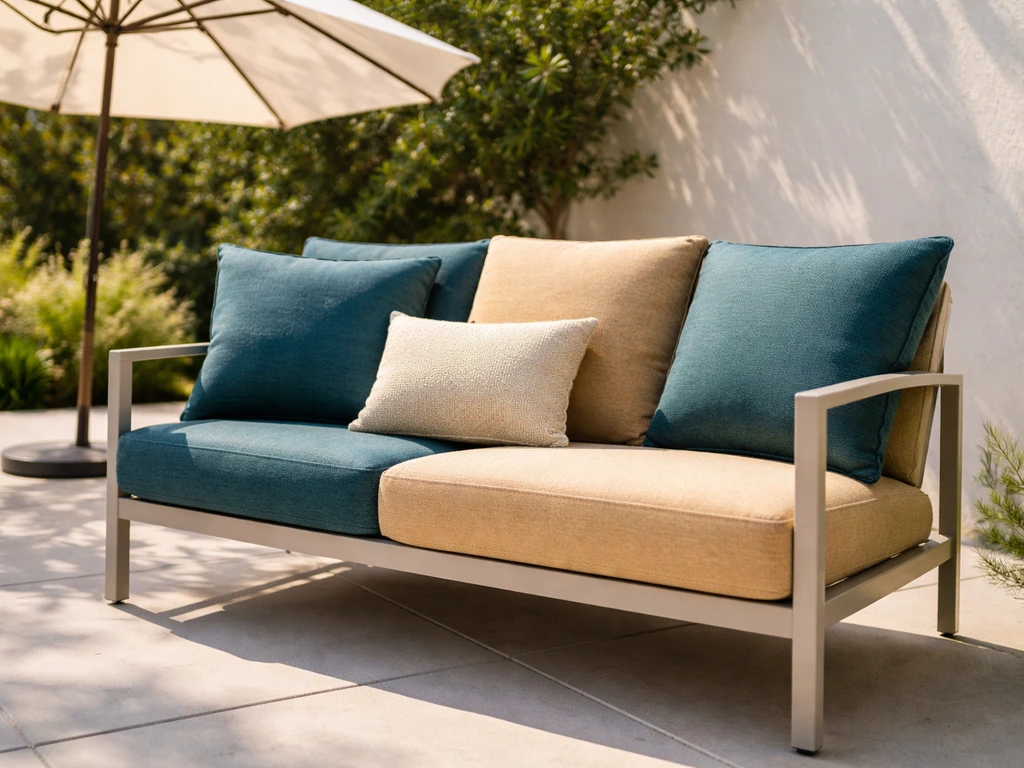
That said, "Sunbrella" is a fabric brand, not a furniture brand, so the quality of any set you buy still depends heavily on the frame, the cushion construction, and whoever assembled the whole product. The fabric can be excellent while the frame disappoints, or the cushion insert can be paper-thin even under a great cover. Knowing the difference is what this guide is for.
What Sunbrella Actually Is (and Why It Changes the Outdoor Fabric Game)
Sunbrella is a performance textile brand owned by Glen Raven, and it has been the go-to outdoor fabric for marine and shade applications for decades before it became a standard cushion upgrade in patio furniture. The defining characteristic is solution-dyeing: pigment is added directly into the acrylic fiber before weaving, not applied as a surface coat. This makes a real difference because UV exposure, bleach, and scrubbing can't strip the color out the way they would with surface-dyed or coated fabrics.
The practical upshots are significant. Sunbrella outdoor fabrics are bleach cleanable, which is something most outdoor fabrics absolutely are not. They're engineered to resist UV degradation, weather exposure, mold, mildew, and staining. The company backs this with a 5-year limited warranty on outdoor upholstery and specialty fabrics, and a 10-year limited warranty on shade and marine fabric lines. Those aren't just marketing numbers; they represent a real claims pathway you can use if the fabric fails under normal conditions.
One nuance worth knowing: Sunbrella says its fabric won't support mildew growth on its own, but mildew can still grow on dirt and organic matter that accumulates on the surface. That means a cushion left in a shaded, damp corner all summer with no maintenance will eventually develop mildew, not because the fabric failed but because the soil layer on top did exactly what soil does. Regular cleaning matters just as much as the material itself.
Sunbrella Patio Furniture Reviews: Durability, Comfort, Build, and Value
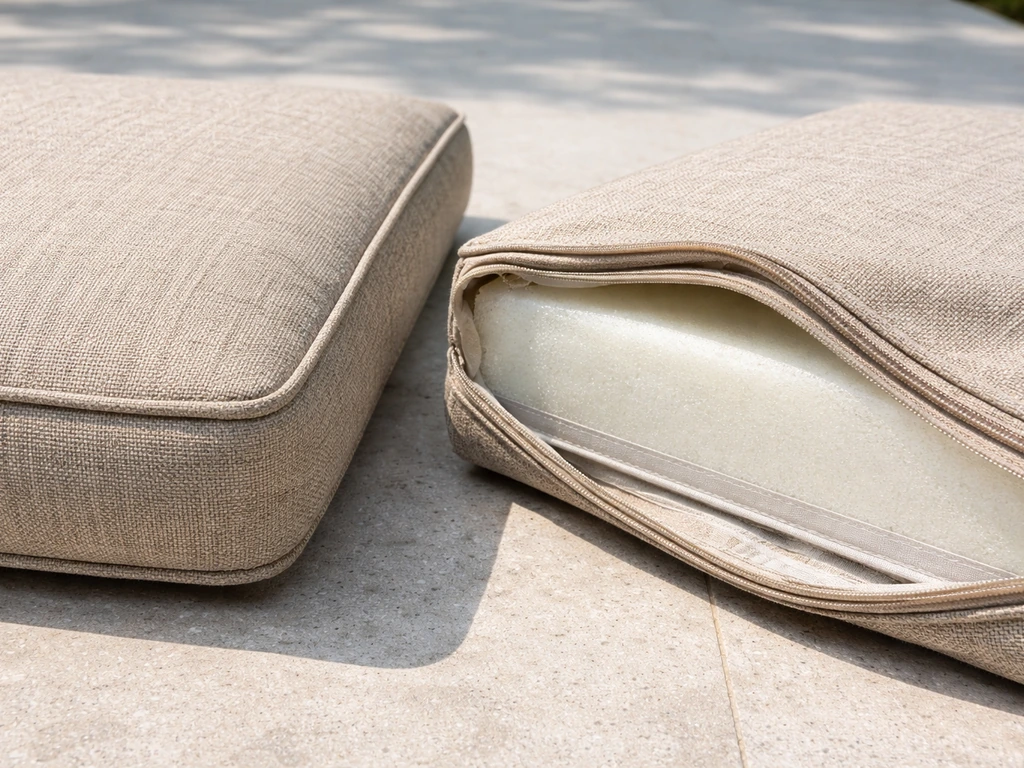
When you're shopping for a patio set marketed as having Sunbrella cushions, you're really evaluating two separate products: the frame/structure and the upholstered cushion system. If you want to go beyond general material info, check tk classics patio furniture reviews alongside other Sunbrella-focused set breakdowns. Both need to hold up, and they fail in completely different ways.
Durability and Real-World Fabric Performance
The Sunbrella fabric layer consistently delivers on fade resistance. Sets that have been sitting on patios in high-UV climates for three or four seasons routinely show minimal color shift compared to polyester or olefin alternatives. Stain resistance is also strong in practice: food spills, sunscreen, bird droppings, and similar common patio messes clean up with mild soap and water in most cases. For tougher oil-based stains, Sunbrella's own Extract oil-based stain remover is the recommended tool, followed by a thorough rinse.
Mildew performance is good but conditional. The fabric won't grow mildew by itself, but cushions left wet and compressed have a well-documented failure mode: water soaks through the cover into the foam insert, and if the cushion doesn't drain and dry properly, the interior mildews even if the Sunbrella cover looks fine. This is specifically a cushion construction issue, not a fabric issue, but it matters enormously in practice. Cushion sets with drainage holes, quick-dry foam cores, and zip-off Sunbrella covers that can be removed and cleaned separately perform best for wet climates and coastal environments.
Comfort and Cushion Quality
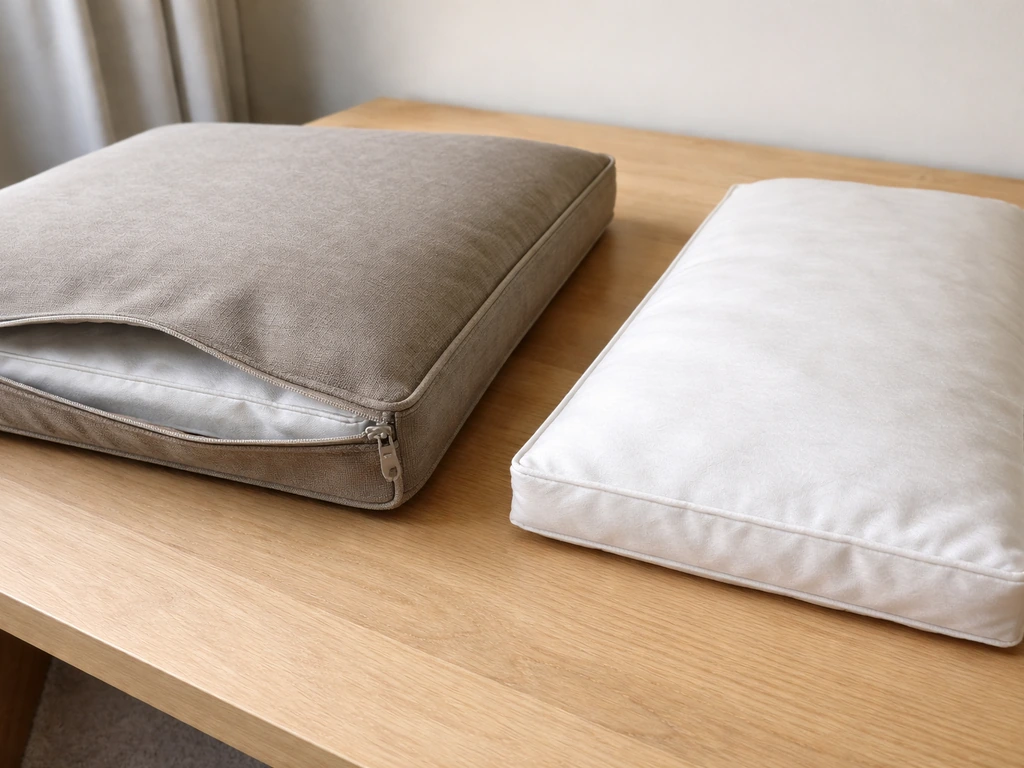
A consistent pattern across reviews of mid-range Sunbrella-cushioned sets is that the cushion inserts are thinner than expected. You can get a perfectly good Sunbrella cover over a foam insert that compresses to almost nothing after a few months of use. This is frustrating because the fabric is doing its job but the experience of sitting on it feels budget-grade.
If you're comparing sets at similar price points, ask specifically about foam density and cushion thickness (3 to 4 inches is the comfortable minimum for a seat cushion; thinner than that and you'll feel the frame under you). Some buyers end up replacing the inserts while keeping the Sunbrella covers, which actually works well given how easy the fabric is to remove and clean.
If you want more help deciding when that kind of cushion swapping makes sense, see this sunvilla patio furniture review for additional durability and build checks Sunbrella covers.
Frame and Build Quality
Sunbrella fabric is available across a wide price range of furniture, from budget wicker conversation sets to premium aluminum frames sold through specialty outdoor retailers. The frame quality varies enormously and has nothing to do with the Sunbrella branding. Powder-coated aluminum frames are the best performers for long-term outdoor use, as they resist rust and corrosion, weigh less than steel, and don't require annual repainting.
Steel frames at the budget end can rust at welds and hardware points within a couple of seasons, especially in coastal or high-humidity environments. Wicker (resin wicker specifically) is a popular middle ground, though wicker sets with Sunbrella cushions require you to pay close attention to the wicker weave quality, which can loosen or crack at connection points over time.
Customer reviews on Home Depot, Wayfair, and similar retailers reveal that fulfillment and assembly issues are surprisingly common in the mid-range segment. Missing hardware, complicated assembly instructions, and shipping damage show up in review threads often enough that they're worth factoring into your planning. These issues are brand-specific and retailer-specific rather than Sunbrella-related, but they shape the overall ownership experience significantly.
Value Across Price Tiers
| Price Tier | Typical Frame | Cushion Quality | Sunbrella Warranty | Best For |
|---|---|---|---|---|
| Budget ($500–$1,200) | Steel or thin-wall aluminum, basic resin wicker | Thinner inserts, basic zip covers | 5-year fabric warranty | Occasional use, covered patios, renters |
| Mid-Range ($1,200–$3,000) | Powder-coated aluminum, quality resin wicker | Medium-density foam, removable Sunbrella covers | 5-year fabric warranty | Regular entertaining, most climates |
| Premium ($3,000+) | Heavy-gauge aluminum, teak, stainless hardware | High-density foam, fully removable/washable covers | 5–10-year fabric warranty (line-dependent) | Coastal/high-sun, frequent use, long-term investment |
What to Look For in Sunbrella Outdoor Furniture Listings and Specs
Not every product labeled "Sunbrella" delivers the same value. Home Depot’s patio furniture browsing and filters include items categorized under “Sunbrella,” which can help you pull real-world review information for specific Sunbrella cushion sets. Here's what to actually check before you buy:
- Fabric line confirmation: Look for the specific Sunbrella fabric line name (such as Sunbrella Elements, Sunbrella Canvas, or Sunbrella Shift). Generic listings that just say "Sunbrella fabric" without specifying the line are harder to warranty-claim and harder to match if you need replacements.
- Cushion construction: Ask or look for foam density (1.8 lb/cubic foot or higher for seat cushions), cushion thickness (3 to 4 inches minimum), drainage holes, and whether the Sunbrella cover zips off for independent cleaning.
- Frame material and finish: Powder-coated aluminum is the gold standard. Look for wall thickness specs if available, especially for dining chairs that take more stress.
- Hardware quality: Stainless steel or marine-grade hardware at connection points is worth paying for, especially near the coast or in high-humidity areas. Zinc or cheap steel screws will rust and stain the cushions.
- Warranty documentation: Confirm whether the furniture carries the Sunbrella fabric warranty separately or if it's folded into a broader furniture warranty. Sunbrella's fabric warranty is a direct claim you can make with Glen Raven regardless of whether the furniture retailer is still in business.
- Return and assembly policy: Given the assembly and fulfillment issues that appear consistently in customer reviews, buy from retailers with clear return policies and ideally white-glove delivery options for larger sets.
Sunbrella Patio Umbrella Reviews: Fade, Weather, and Mildew Performance
Sunbrella is probably most famous in the outdoor umbrella world, and for good reason. Umbrella canopies take the most direct UV punishment of anything on your patio, and the solution-dyed acrylic construction holds color dramatically better than polyester canopies after two or three seasons of daily use. If you've ever watched a polyester umbrella go from rich navy to washed-out periwinkle in a single summer, you understand the practical value immediately.
Fade and UV Resistance in Practice
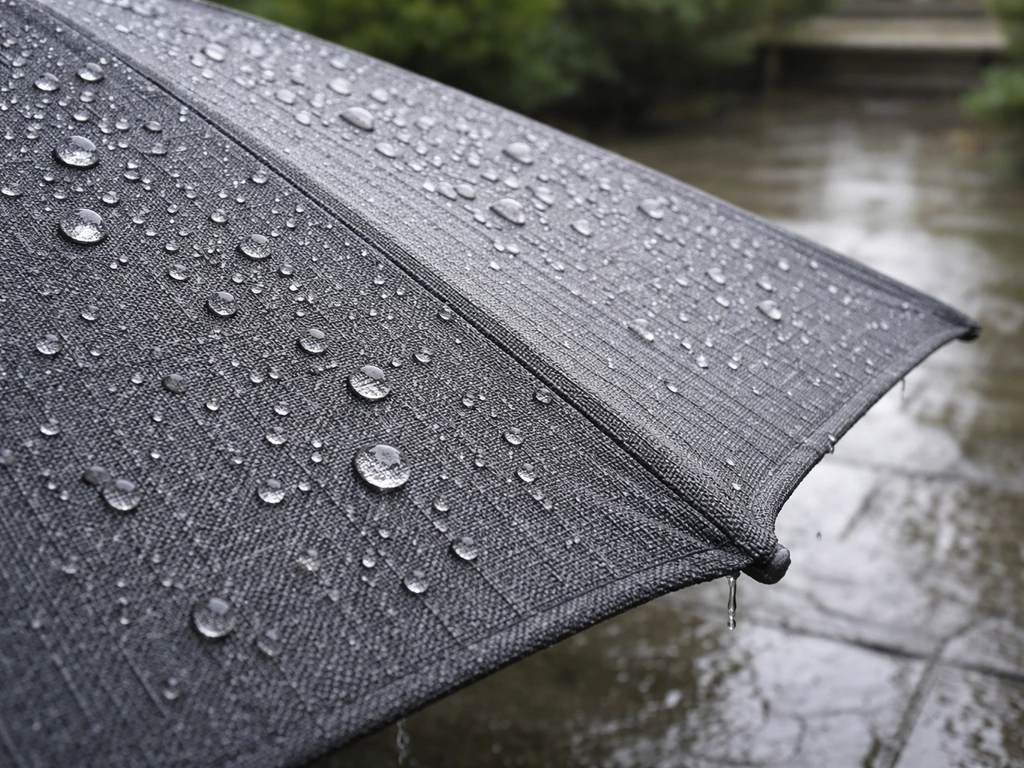
Sunbrella shade fabrics carry the 10-year limited warranty (vs. 5 years for upholstery), which reflects the fact that this is where the technology was originally developed and where it performs best. In high-sun climates like the Southwest, Florida, or coastal California, a Sunbrella canopy still looks close to original color after four or five seasons where a budget polyester canopy would be a faded ghost of itself. For buyers in these regions, the fabric upgrade pays for itself in avoided replacements.
Mildew and Weather Resistance
Sunbrella shade fabrics genuinely do not support mildew growth on their own. The consistent real-world problem is dirt and organic matter accumulation, especially in shaded patios or areas under trees. Leaves, pollen, and debris sit on the canopy, trap moisture, and the biological layer grows mildew even though the fabric underneath is fine. The fix is simple but requires consistency: brush the canopy off regularly and do a proper soap-and-water cleaning at least once a season. The fabric can handle it.
What Actually Determines Umbrella Longevity
The most important thing to understand about patio umbrella reviews is that the fabric and the frame are completely separate failure points. A Sunbrella canopy on a cheap frame is still going to frustrate you when the tilt mechanism seizes up, the pulley frays, or a rib cracks in a moderate wind. When evaluating umbrella specs, look at rib count (8 ribs is the standard for stability; 6 ribs can work for smaller umbrellas but flex more in wind), pole material (aluminum or fiberglass over steel), tilt mechanism type (collar tilt is simpler and more reliable than push-button for heavy-use applications), and pole diameter for compatibility with your base.
Replacement Sunbrella canopies are widely available from specialty vendors, but you need to match specs carefully: rib count, canopy diameter, and center grommet size all have to align. If you buy a premium umbrella frame with a Sunbrella canopy, you can replace just the canopy when it eventually wears (the frame typically outlasts the canopy in quality builds), which is a genuine long-term value argument. Keep your original specs when you buy.
Umbrella vs. Furniture Fabric Performance Side by Side
| Factor | Sunbrella Umbrella Canopy | Sunbrella Furniture Cushion |
|---|---|---|
| Warranty length | 10 years (shade fabric line) | 5 years (upholstery line) |
| Primary failure mode | Frame/mechanical (tilt, ribs, pulley) | Cushion insert compression or water infiltration into foam |
| UV/fade resistance | Excellent; most direct UV exposure | Excellent; protects cushion appearance |
| Mildew risk | Low (dirt accumulation is main cause) | Moderate (wet foam interior is main cause) |
| Cleaning ease | High; hose off, mild soap, air dry | High for cover; requires cushion drainage for foam |
| Replacement flexibility | Canopy replaceable if frame is sound | Cover replaceable; foam inserts upgradeable separately |
Care and Maintenance That Keeps Sunbrella Looking New
The good news about Sunbrella maintenance is that it's genuinely low-effort when you're consistent. The fabric is designed to be cleaned with mild soap and water, rinsed thoroughly, and air dried. That covers about 95% of what happens on a patio. The details matter though, especially for problem situations.
Routine Cleaning
- Brush off any loose dirt, debris, or pollen before wetting the fabric. Scrubbing wet dirt in just pushes it deeper into the weave.
- Mix a solution of mild dish soap and lukewarm water. Apply with a soft brush or sponge and work in gently.
- Rinse thoroughly with clean water. Soap residue left in the fabric can attract dirt and reduce water beading over time.
- Allow to air dry completely before folding or covering. Do not put Sunbrella fabric in a clothes dryer or use a pressure washer at close range.
Mildew and Stain Treatment
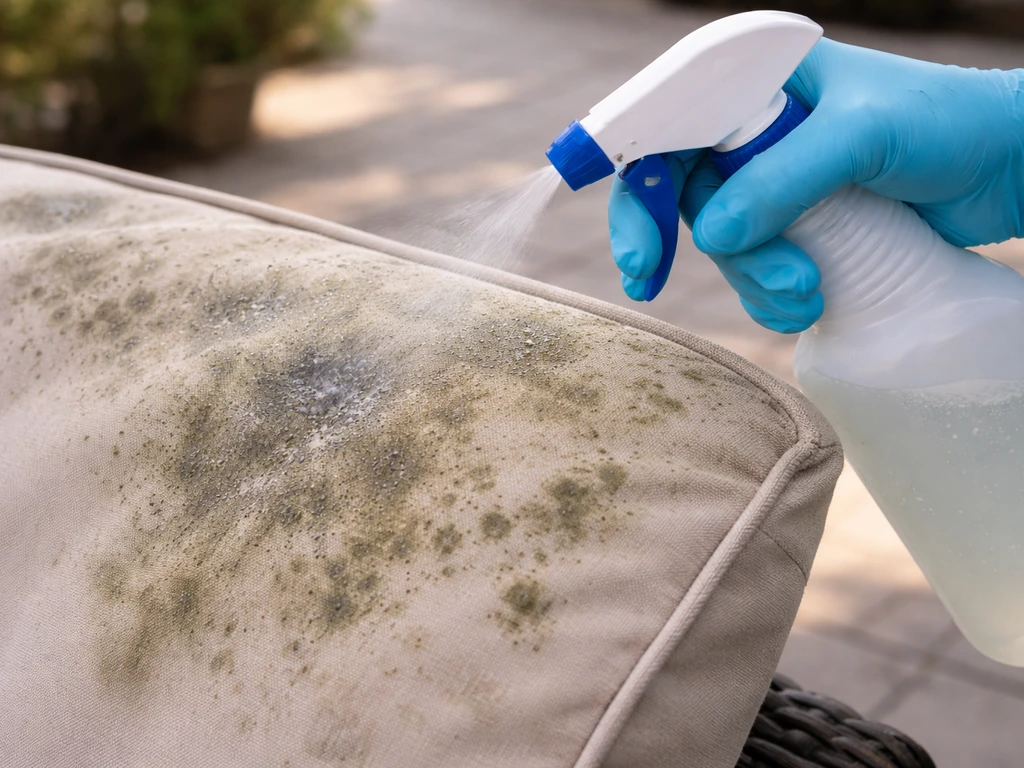
For mildew, Sunbrella's recommended approach uses a diluted bleach solution: approximately 1 cup of bleach and 1/4 cup of mild soap per gallon of water. Apply, let it sit for 15 minutes, scrub lightly, and rinse thoroughly. The critical rules are to never use undiluted bleach directly on the fabric and to rinse completely to remove all bleach residue. The solution-dyeing means bleach at this concentration won't strip the color, which is one of the genuine competitive advantages of Sunbrella over other outdoor fabrics. For oil-based stains (sunscreen, food grease), use Sunbrella Extract or a comparable oil-based stain remover before the regular cleaning step.
For severe mildew or set-in stains, Sunbrella's Renew Mold and Mildew Stain Remover is a direct product recommendation. It's formulated for the fabric and won't damage the acrylic fibers the way some third-party stain products can.
Seasonal Maintenance That Extends Life
- Do a thorough cleaning at the start and end of each outdoor season, not just spot-cleaning through the summer. Removing accumulated pollen, bird droppings, and organic matter prevents mildew from finding a foothold.
- Store cushions in a dry location during extended off-season periods, or use breathable storage bags designed for outdoor cushions. Airtight bags trap residual moisture and can actually cause the mildew problem you're trying to avoid.
- For umbrellas, close and tie the canopy when not in use, especially overnight and in moderate wind. Even Sunbrella fabric wears faster with constant flapping in the wind.
- Check hardware and tilt mechanisms annually. A small amount of lubricant on the tilt collar and pulley goes a long way toward keeping the mechanical parts working as long as the fabric.
How to Choose Between Sets, Umbrellas, and Building Your Best Patio
If you're outfitting a patio from scratch with Sunbrella products, the most practical way to think about it is: furniture sets deliver the fabric performance everywhere you sit, and umbrellas extend UV protection and shade coverage over the seating area. They serve complementary functions and aren't an either/or decision for most patios. The question is where to allocate your budget.
Who Should Prioritize a Sunbrella Furniture Set
If you have a fully covered patio (pergola, lanai, covered porch) where direct UV exposure is already limited, putting your budget into a quality Sunbrella cushion set makes a lot of sense. You'll get the comfort, mildew resistance, and stain resistance where it matters most, and a standalone umbrella may be redundant. Frequent entertainers and families with kids benefit most from the stain-cleanability of Sunbrella upholstery, since food and drink spills are the daily reality of real patio use.
Who Should Prioritize a Sunbrella Umbrella
In high-sun, open patios without shade structures, a quality Sunbrella umbrella is often the higher-impact purchase. It does the most work in the harshest conditions, it's the product where the 10-year fabric warranty applies, and it can work over almost any furniture set you own. If your current furniture is solid but the cushions fade every few years, upgrading to a Sunbrella umbrella and then replacing cushions with Sunbrella-covered inserts over time is a reasonable phased approach that spreads the cost.
Fit Checks and Measurements Before You Buy
- Measure your table or seating area before selecting umbrella diameter. A 9-foot umbrella covers roughly a 48-inch diameter table comfortably; a 11-foot umbrella is needed for 6-person dining sets or larger conversation groupings.
- Check umbrella base weight requirements. Freestanding bases typically need 50 to 100 lbs depending on umbrella size, and underpowered bases are the primary cause of umbrella tip-overs in wind.
- For furniture sets, measure your available patio square footage and leave at least 3 feet of walkway clearance around the set when chairs are pulled out. Many buyers underestimate how much space a dining set with chairs occupies in use vs. tucked position.
- If buying a replacement Sunbrella canopy, confirm rib count, canopy diameter (measured from rib tip to rib tip, not just the frame), and center hub grommet diameter before ordering.
- Check cushion dimensions against chair seat depth and back height. Cushions that are too narrow slide around; cushions that are too thick prevent the chair back from reclining properly.
Evaluating Reviews and Warranties Before You Commit
When reading customer reviews for Sunbrella furniture sets, filter specifically for comments about the frame and cushion inserts rather than the fabric. Wayfair product detail pages and customer sections for Sunbrella-cushioned “complete patio sets” commonly describe [mildew and stain resistance as well as color fade resistance](https://www. wayfair. com/outdoor/pdp/wildon-home-fionnula-20-piece-rattan-sunbrella-complete-patio-set-with-cushions-w001048349.
html), though you should verify these details for the specific item you’re considering. If you're specifically looking for sunset west patio furniture reviews, focus on how the cushions and frames hold up over seasons, not just the fabric name. Most negative reviews that mention mildew or fading are actually about cheaper cushion systems where the Sunbrella label was applied to a thin cover over poor-quality foam.
Reviews mentioning broken welds, stripped hardware, or missing parts at delivery are frame/fulfillment flags, not fabric flags. Separate these signals and you'll get a much clearer picture of what you're actually buying.
On warranty: Sunbrella's fabric warranty is filed directly through Glen Raven, not through the furniture retailer. Register your product if there's an option to do so, and keep your purchase receipt along with the specific fabric line name and any fabric SKU on the tag. If you ever need to make a claim, having the fabric line identified (shade/marine vs. upholstery/specialty) determines whether you're filing under the 5-year or 10-year warranty. It's a small step at purchase that can save real money years later.
If you're comparing brands in the outdoor furniture space, it's worth knowing that premium makers often offer Sunbrella as a standard or upgrade option on their collections, while budget brands may use it as a headline claim on sets where the frame and cushion quality don't match the fabric. Brands like Summer Classics, for example, are known for integrating premium materials throughout their builds rather than pairing quality fabric with budget construction. Researching the full build quality alongside the fabric spec is always the more useful comparison when you're making a real-money decision. If you're specifically trying to narrow down the best option in your area, sunshine valley patio furniture reviews is a useful adjacent place to compare real ownership feedback.
FAQ
How can I tell if a “Sunbrella” patio set has the real Sunbrella fabric on the cushion, or just a thin cover?
Look for the exact fabric line name on the tag or paperwork, and check cushion thickness and foam density claims. If the description is vague (for example, “Sunbrella fabric” with no line name) and the cushions feel unusually compressible, that often signals a thinner cushion construction even if the fabric label is genuine.
Is it safe to use a pressure washer on Sunbrella cushions or umbrella canopies?
Avoid direct pressure washing. Even with color-fast fabric, high pressure can drive grime deeper, loosen stitching, and damage water-resistant coatings on frames or seams. Stick to soft scrubbing with mild soap and water, then rinse thoroughly.
What’s the best way to prevent mildew when my patio is shaded and damp?
Develop a routine that includes brushing off debris, then cleaning at least once per season, and drying cushions fully before storage. Also inspect for “water traps,” if cushions have no drainage and foam stays compressed, mildew can form inside regardless of how clean the cover looks.
Can I use bleach on Sunbrella fabric all the time, or only for mildew?
Use bleach only for targeted mildew treatment, never as routine cleaning. The recommended diluted mix is designed for stains and growth, then rinse completely to remove residue. For everyday messes, mild soap and water are usually enough.
Do I need to remove cushions during rain or storms?
If your patio is uncovered or the furniture is frequently soaked, yes, remove and dry cushions when practical, or at minimum keep them from staying wet and compressed. The biggest failure mode is water soaking into the foam insert and staying there long enough to mildew.
Will bird droppings and sunscreen stains damage Sunbrella fabric permanently?
They usually won’t permanently ruin color, but prompt cleaning matters. Rinse and wash with mild soap and water soon after spills, for oilier stains like sunscreen or food grease, use an oil-based stain remover first, then do the normal soap-and-water clean.
What cushion thickness should I prioritize if I’m reading Sunbrella patio furniture reviews?
For seating comfort, aim for about 3 to 4 inches of cushion thickness on typical seat cushions. If reviews complain you feel the frame quickly, it often correlates with thin foam inserts, even when the cover is high quality.
Are Sunbrella umbrella fabrics better than Sunbrella cushion fabrics for long-term sun exposure?
They are optimized for different use cases, shade and marine fabric lines typically carry the longer fabric warranty. If your umbrella takes the most daily UV, prioritize the shade fabric line performance and warranty coverage, because the canopy is the part that lives through the worst conditions.
What umbrella frame features matter most if I want it to last more than a season or two?
Focus on the tilt mechanism type and pole stability. A reliable collar tilt is often simpler for heavy use, and adequate rib count helps keep the canopy stable in moderate wind. Also check base compatibility, an under-sized base can stress joints and lead to early failure.
If my umbrella canopy fades, can I replace just the fabric instead of the whole umbrella?
Often yes, if you buy from a system where canopy specs match your frame. Replacement must align by rib count, canopy diameter, and center grommet size, so save your umbrella’s original measurements or documentation before ordering a canopy.
How should I store Sunbrella cushions or umbrella fabric when seasons change?
Store when dry and clean enough that you are not trapping soil against the fabric. Dirt plus moisture is what triggers mildew even when the fabric resists growth on its own, so brush off debris, wash, fully air dry, then store with airflow if possible.
When filing a warranty claim, what info do I need to have ready?
Keep the purchase receipt and record the specific fabric line type (shade/marine versus upholstery/specialty), plus any fabric SKU or tag information. Registration helps, and knowing the line type early determines whether you should expect the shorter or longer limited warranty pathway.