
Smith & Hawken patio furniture is worth buying if you go in with the right expectations: their teak collections are genuinely solid and built to last decades, but their lower-end metal and wicker sets sold through Target have real quality consistency issues that show up fast. If you're shopping in 2026, the premium teak lines are the safe bet, the all-weather wicker conversation sets are decent mid-range picks, and the budget steel/metal sets are where you'll find the most buyer regret. If you want to narrow down your options fast, gathercraft patio furniture reviews can help you compare styles, durability, and real owner experiences before you buy.
Smith and Hawken Patio Furniture Reviews: Buy Guide

Grant Hollis
3 Jul 2026
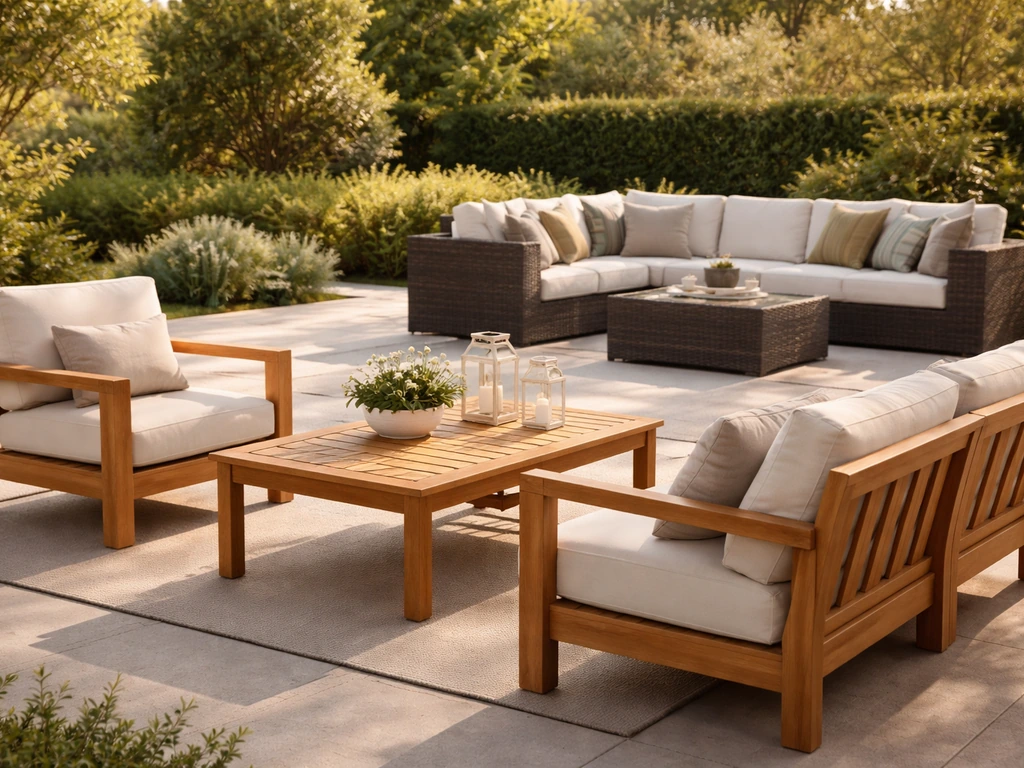
Quick verdict: Is Smith & Hawken patio furniture worth it?
For teak buyers, yes, with confidence. Smith & Hawken's Grade-A teak sets come with a Premium Teak Limited Lifetime Warranty (valid in the contiguous US) and the brand's own claim that teak can last 'decades' with proper care is backed up by real-world teak longevity norms. If you're spending the money for a teak dining set or seating group, this is one of the better places to spend it. For more buying guidance, it helps to read meadowcraft patio furniture reviews for how different styles hold up in real outdoor conditions teak dining set or seating group.
For the all-weather wicker and metal collections, the answer is more cautious. The brand estimates 7 to 10 years of service from wicker and metal sets, which is reasonable for the price tier. But there's a recurring complaint worth knowing about: hardware corrosion. Even on sets marketed as 'rust resistant,' the bolts and fasteners can oxidize and produce rusty orange water staining on decks after rain. That's not a dealbreaker, but it's something to plan for.
For the cheapest metal sets sold through Target: proceed with caution or skip entirely. Multiple buyers have flagged poor build quality relative to price and customer service friction when trying to make warranty claims without a receipt. If you're in that price range, there are more reliable options.
What Smith & Hawken sells: styles, materials, and set types
Smith & Hawken organizes their outdoor furniture around three main material families: teak wood, all-weather wicker, and powder-coated metal. Each serves a different buyer and a different use case.
Teak dining and seating sets
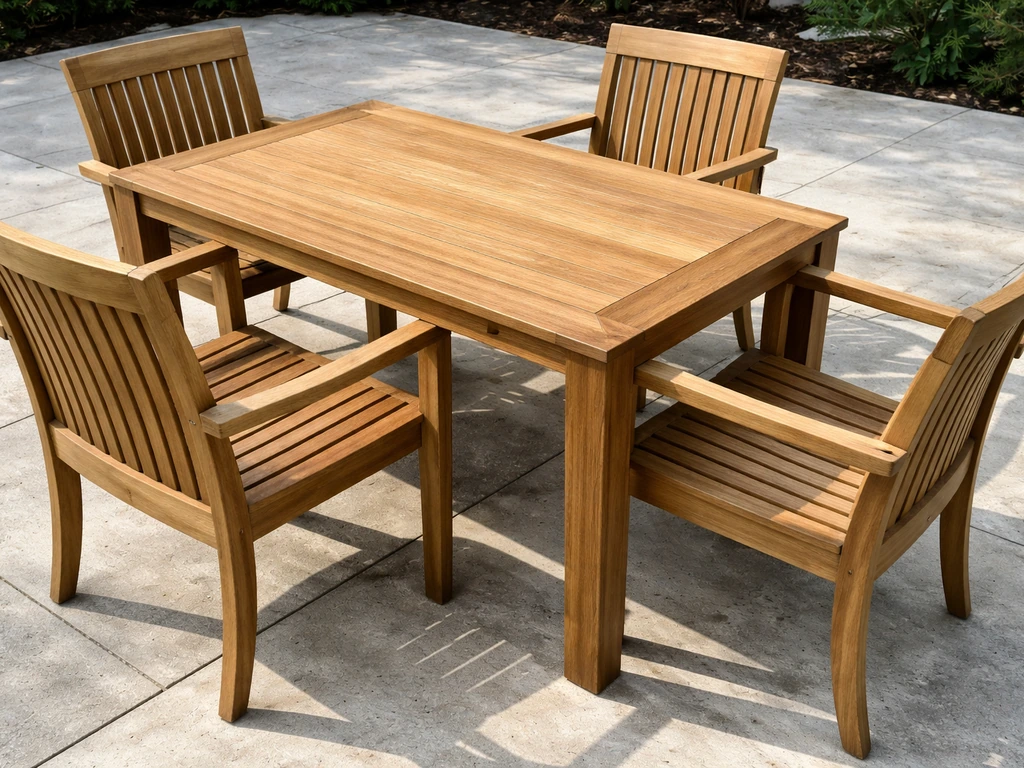
This is the flagship line. You'll find Grade-A teak dining sets (table plus armchairs), larger 9-piece weathered teak dining configurations, and multi-piece seating groups like the Regina 5-person set, which bundles a daybed-style lounge, chairs, and a coffee table together. These sets are heavy, sturdy, and designed for patios where the furniture stays put. Teak's natural oils make it genuinely weather-resistant without treatment, though the brand recommends care to maintain appearance over time.
All-weather wicker conversation and sectional sets
Smith & Hawken is explicit on their site that their wicker is synthetic, not natural rattan. That matters because natural rattan deteriorates quickly when left outside in most climates. The synthetic all-weather wicker wraps around aluminum frames (per older trade specs, aluminum is the frame material of choice) making these sets lighter and more rust-resistant than steel alternatives. The modular designs let you configure seating arrangements, which is genuinely useful for irregular patio shapes or if your needs might change.
Powder-coated metal sets
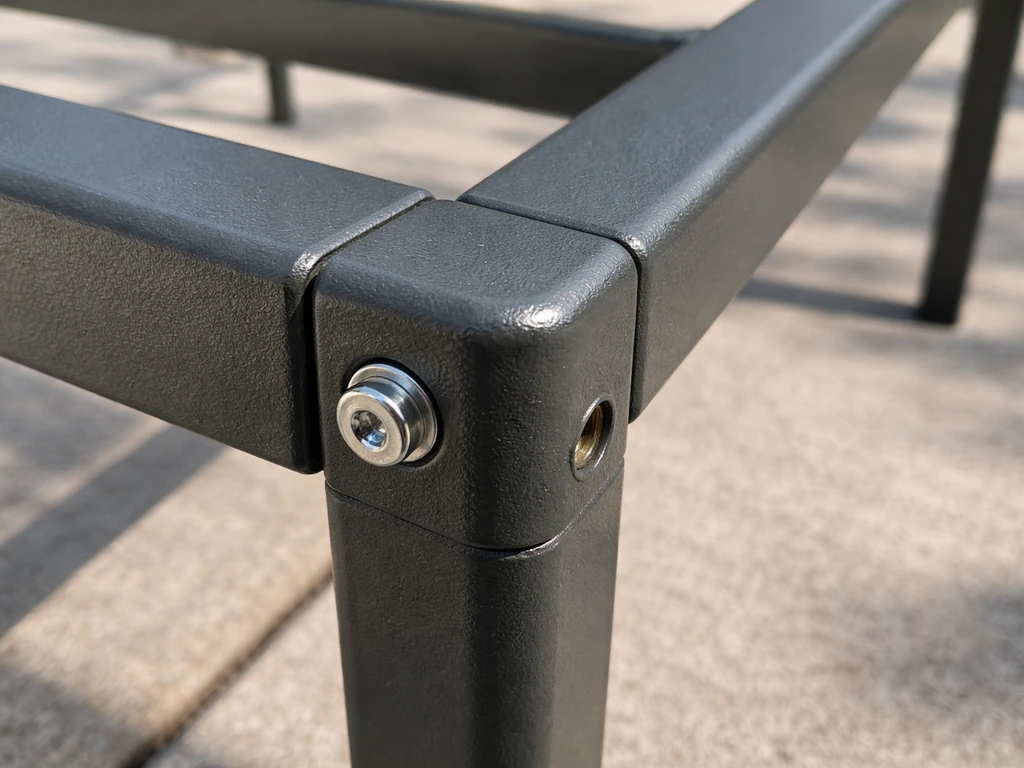
These are the most affordable entry point. They're typically steel with a powder-coated finish, sold at lower price points through Target. The frames themselves hold up reasonably, but the hardware is where problems appear. Expect to apply protective coating to exposed bolts and screws if you want to avoid rust-stained water pooling on your deck or patio surface.
Quality and durability: frames, joinery, and weather resistance
The durability story at Smith & Hawken breaks down almost entirely by material tier, so let's go through each honestly.
Teak frames
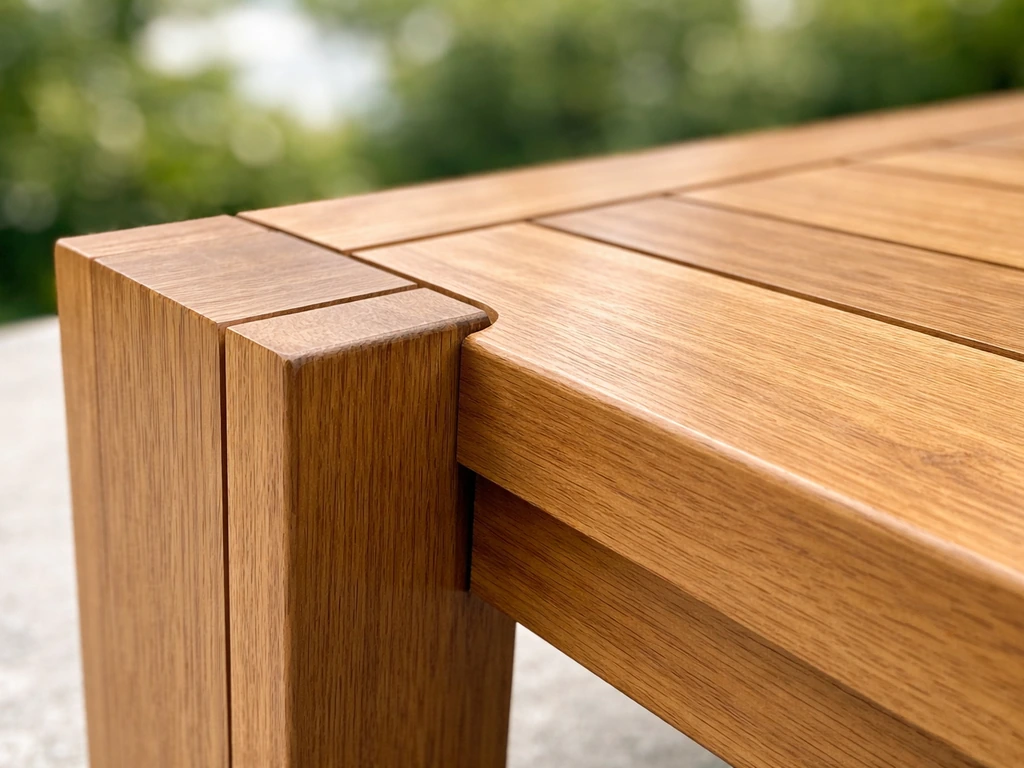
Grade-A teak is the real deal. It's a dense hardwood with naturally high oil content that resists moisture, insects, and rot without requiring annual sealing. Smith & Hawken's lifetime warranty on their teak line signals confidence in the base material. Joinery on teak sets is typically mortise-and-tenon or stainless steel hardware, both of which hold up well. The main thing to watch: teak will silver-gray naturally if you leave it untreated, which many people actually like. If you want to maintain the warm honey-brown color, you'll need to apply teak oil periodically.
All-weather wicker with aluminum frames
Aluminum frames don't rust, period. That's the single biggest durability advantage over steel. The synthetic wicker weave itself can degrade over time if exposed to prolonged intense UV without covers, but the 7-to-10-year lifespan estimate is realistic if you use furniture covers in the off-season. Check the weave tightness and frame weld quality before buying: loose weave near joints is an early failure point.
Powder-coated steel frames
Here's where the honest part gets uncomfortable. The frames themselves are often fine, but the hardware (bolts, screws, fasteners) is a known weak link. Customer reviews describe 'rusty orange water' running off the furniture after rain even on sets explicitly marketed as rust-resistant. The powder coating protects the frame, but exposed hardware is left vulnerable. This isn't unique to Smith & Hawken, it's a widespread issue with budget outdoor steel furniture, but it's worth knowing before you put a set on a light-colored composite deck. If you are also weighing other brands, Gloster patio furniture reviews can help you compare build quality, comfort, and longevity before you decide.
Comfort and usability: cushions, ergonomics, and assembly
Cushion quality
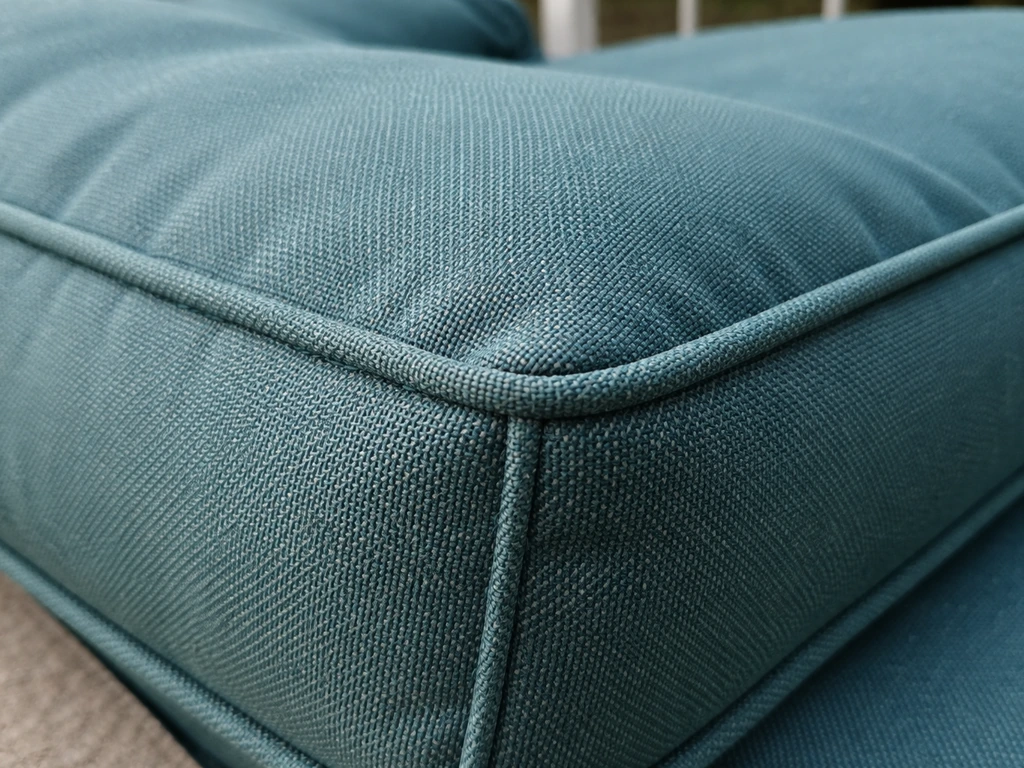
Smith & Hawken uses solution-dyed acrylic fabric for most of their cushion collections, which is the right call for outdoor use. Solution-dyed means the color goes all the way through the fiber rather than sitting on the surface, so it fades significantly more slowly than printed or surface-dyed fabrics. The foam cores use quick-drying, antimicrobial materials, and the brand claims resistance to mold and mildew even with moisture exposure. The covers zip off for washing, which makes a real difference for anyone in a humid climate or dealing with pollen seasons.
That said, cushion warranties typically only cover construction defects and premature deterioration outside normal use, so compressing or staining from normal use isn't covered. Store cushions indoors during heavy rain periods or long off-season stretches to get the most life out of them.
Ergonomics and seating comfort
Teak seating tends to be upright and firm by design, which works better for dining than lounging. If you want deep, sink-in comfort, the wicker conversation sets with thick seat and back cushions are the more comfortable option. The modular sectional configurations let you mix lounge seating with corner pieces and ottomans, so you can genuinely build a comfortable outdoor living room rather than just a seating arrangement.
Assembly
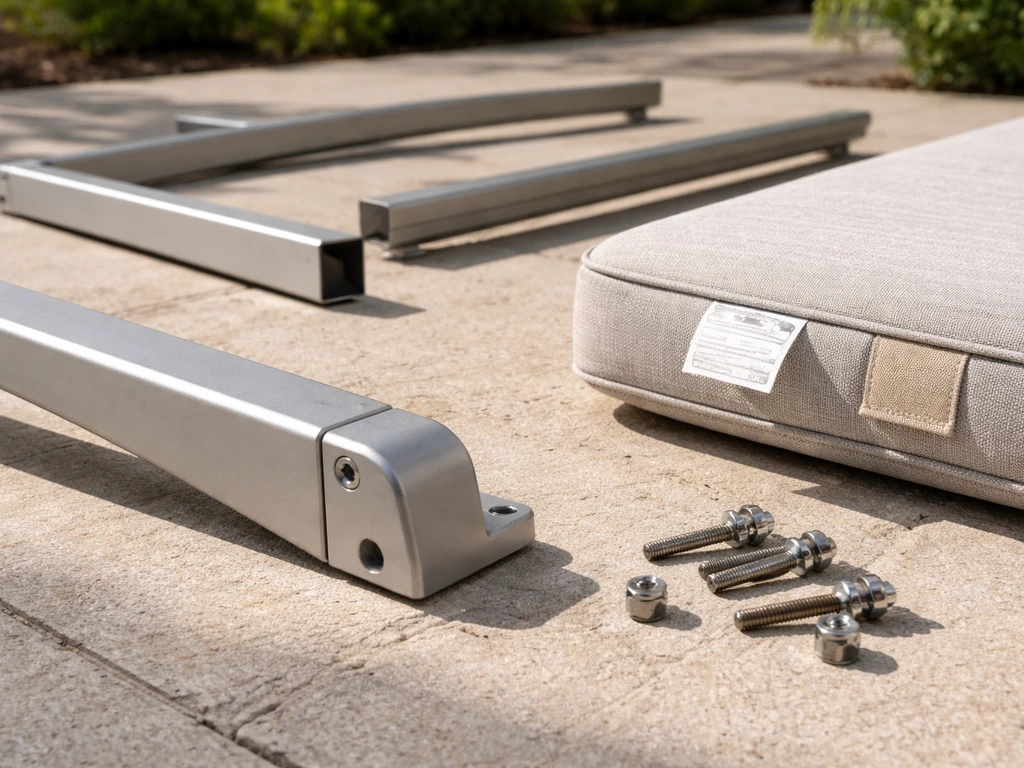
Assembly complexity varies by set. Teak dining sets are usually straightforward because teak furniture often arrives partly assembled or requires only leg attachment. Wicker sectional sets involve more pieces but are generally manageable with two people and the included hardware. The metal club chair-style sets from Target are simple to assemble but use the same hardware that's prone to corrosion issues later. One practical tip: after assembly, put a thin coat of clear rust-inhibiting paint or wax on all exposed hardware bolts, regardless of what the packaging says about rust resistance.
Value and how Smith & Hawken compares to similar brands
Smith & Hawken sits in an interesting market position: premium-positioned branding with a wide product range that spans genuinely high-end teak down to budget-adjacent Target sets. That range creates a confusing value proposition depending on which product you're actually looking at. If you want to narrow down your shortlist, readings of kingsmead patio furniture reviews can help you compare materials, build quality, and value side by side.
| Brand/Tier | Material Strengths | Price Range | Best For | Main Weakness |
|---|---|---|---|---|
| Smith & Hawken (Teak) | Grade-A teak, lifetime warranty | $$$$ | Long-term investment, classic look | High upfront cost, maintenance for color retention |
| Smith & Hawken (Wicker/Metal) | Synthetic wicker, aluminum frames | $$$ | Mid-range patio upgrades | Hardware rust on metal sets, variable build quality |
| Gloster | Premium teak and aluminum | $$$$+ | High-end design-focused buyers | Very expensive, limited accessibility |
| Meadowcraft | Wrought iron, ornate designs | $$$ | Traditional/classic style buyers | Heavy, requires painting over time |
| Wilson & Fisher Mesa | Resin wicker, steel frames | $$ | Budget-conscious shoppers | Lower durability ceiling, basic designs |
| Gathercraft | Aluminum, all-weather wicker | $$$ | Durable mid-range conversational sets | Less brand recognition, limited retail availability |
For the teak tier, Smith & Hawken competes directly with brands like Gloster, which offer comparable or superior craftsmanship but at a notably higher price. Smith & Hawken's teak delivers strong value at its price point. For the wicker/sectional category, Gathercraft is worth comparing directly. For budget metal sets, brands in the Wilson & Fisher tier offer similar quality at similar prices, so there's no strong reason to choose Smith & Hawken's lower-end metal pieces specifically. If you're shopping the Wilson & Fisher mesa patio furniture collection, these same value-per-material tradeoffs can help you compare quality and durability more directly Wilson & Fisher tier.
One honest note from the community: some buyers who purchased Smith & Hawken through Target have said the quality felt inconsistent with the price asked, describing sets as 'not inexpensive but quality is poor.' That feedback is worth weighing. The teak line doesn't generate that kind of feedback, but the mass-retail metal sets do.
Choosing the right set for your space and climate
By climate and weather exposure
If you live in a high-humidity, high-rain environment (Florida, Pacific Northwest, Gulf Coast), teak or aluminum-framed wicker is the right call. Both handle moisture without structural degradation. Teak's natural oils repel water, and aluminum simply doesn't rust. Avoid steel sets in these climates entirely. In dry climates like the Southwest, powder-coated steel is more survivable, but you still need to manage UV exposure on cushions. In freeze-thaw climates (Northeast, Midwest), bring cushions in for winter, and check that whatever you choose can handle temperature cycling without cracking joints or finishes.
By space size and seating needs
For small patios or balconies, a 2-person club chair set or a compact bistro-style teak set is more practical than an 8-piece sectional. For medium patios (roughly 12x16 feet or larger), the wicker conversation sets with 4 to 5 seats work well. For large decks or dedicated outdoor dining areas, the 9-piece teak dining set gives you enough seating for a family gathering without needing to mix and match. The modular wicker sectionals are ideal when your patio shape is irregular or L-shaped, because you can configure pieces to fit rather than forcing a fixed layout into an awkward space.
By maintenance tolerance
Low-maintenance preference: go with the aluminum-framed all-weather wicker sets. Wipe down the frames, occasional soap-and-water scrub of the wicker, covers stored inside during winter. That's essentially the whole maintenance list. Moderate maintenance: teak is easy to maintain but requires periodic oiling if you want to preserve color, or periodic cleaning if you're fine with the silver-gray weathered look. High maintenance avoidance: skip the steel sets unless you're willing to treat hardware annually.
Maintenance, warranty, and what to check before you buy
Cleaning and care
Smith & Hawken is consistent about this: mild soap and water, no pressure washers, no harsh chemicals. That applies to both frames and cushion covers. For teak specifically, a soft brush helps remove surface dirt from the wood grain. For wicker, wipe between the weave with a damp cloth to prevent mold from accumulating in low-airflow crevices. Cushion covers should be unzipped and washed with mild soap, then air-dried completely before being zipped back on or stored. Storing cushions in a dry place during extended rainy periods or the off-season is the single highest-impact thing you can do to extend their lifespan.
Warranty coverage
The teak line comes with a Premium Teak Limited Lifetime Warranty, but it's only valid in the contiguous United States and includes standard limitations on incidental and consequential damages. Cushion warranties cover construction defects and premature deterioration outside normal use, but not normal wear, fading from sun exposure, or damage from improper storage. One real-world warning from buyer experiences: warranty claims have been denied when buyers couldn't produce a receipt, so keep your purchase confirmation email or receipt somewhere you can find it. This is especially relevant if you're buying through Target where the return and warranty process can get complicated.
Return policy and what to check at delivery
If you're buying through Target, the standard return window is 90 days for most items, but there are product-specific exceptions, and large or heavy items have additional logistics requirements for returns. Check the item-specific return policy at the time of purchase, not the general return page. When your set arrives, inspect all hardware and frame joints before assembly. Look for pre-existing surface scratches on powder coatings, any warping in teak boards, and whether all pieces from the listed set configuration are actually in the box (there have been complaints about product listing images showing more pieces than what's actually included).
Before you buy: a practical checklist
- Confirm the exact piece count in the set, not just the picture on the listing page
- Check whether aluminum or steel is used for the frame (aluminum is strongly preferred for wet climates)
- Verify cushion fabric type: solution-dyed acrylic outlasts other options significantly
- Save your purchase receipt or order confirmation before the furniture arrives
- For teak sets: confirm Grade-A teak, not lower-grade plantation teak, which is less dense and oils less naturally
- Review the specific warranty document for the product line you're buying, not just the general brand warranty page
- Plan for furniture covers in advance, especially for wicker sets that will be left outside year-round
- Treat all exposed hardware bolts with rust-inhibiting product after assembly, regardless of 'rust resistant' labeling
FAQ
Which Smith and Hawken patio furniture line should I avoid if I have a light-colored composite deck (or care about water staining)?
If staining is your priority, skip the lower-end Target metal/steel sets. Even with “rust resistant” marketing, exposed bolts and fasteners can oxidize and leave rusty runoff after rain. Teak and aluminum-framed all-weather wicker are much less likely to produce orange water marks on light decking because the structural material does not rust.
If I buy teak, do I need to oil it every year to keep it from turning gray?
No, you can choose either path. Teak will naturally silver-gray if left untreated, and many people like that look. If you want to preserve the honey-brown tone, oiling is periodic rather than strictly annual, the frequency depends on sun intensity and how much rain your patio gets.
What’s the best way to protect the wicker weave and cushions in hot, high-UV areas?
Use covers during the off-season and whenever you’re leaving the furniture uncovered for long stretches. The aluminum frame and synthetic weave can last several years, but prolonged UV without covers accelerates weave loosening. For cushions, store them indoors during long sunny-season absences and wash covers with mild soap, then fully air-dry before reattaching.
Can I use a pressure washer on Smith and Hawken frames or cushion covers to speed up cleaning?
No. Stick to mild soap and water, and avoid pressure washers. High-pressure cleaning can drive dirt into joints (especially around wicker weave and cushion attachment points) and can damage finishes or seams on outdoor fabrics.
How do I handle warranty risk if I bought through Target and kept a digital receipt but not the paper receipt?
Save and back up the purchase confirmation email and any order history screenshot, then keep it with your warranty claim information. The brand’s teak warranty and cushion coverage can be denied if you cannot provide proof of purchase. Digital records still help, but the safest approach is to store them somewhere you can retrieve quickly.
Is it worth re-coating hardware on the budget metal sets even if the packaging says “rust resistant”?
Yes, if you want to reduce staining. After assembly, applying a thin coat of clear rust-inhibiting paint or wax to exposed bolts and screws adds a barrier where the corrosion starts. This is especially important if your patio is near frequent rain or sprinklers.
What should I inspect when the furniture arrives before I assemble everything?
Check hardware bags for the correct type and quantity, inspect powder-coated surfaces for chips or scratches, and confirm teak boards are straight with no warping. Also verify the box contents match the exact set configuration listed, some listings show images with more pieces than what’s actually included.
Do cushion warranties cover fading or stains from normal use?
Typically not. Coverage is usually limited to construction defects and premature deterioration outside normal use. Normal fading from sun exposure, staining from everyday use, and damage from improper storage are generally excluded, so it’s worth storing cushions dry and using covers to reduce sun and moisture exposure.