
For patio furniture that lives in direct sun year-round, your best picks are powder-coated aluminum frames with solution-dyed acrylic cushions (think Sunbrella, Perennials, or Outdura fabric). That combo handles UV, heat, and moisture better than anything else at any price point. HDPE lumber (like POLYWOOD) is a close second for frameless or Adirondack-style pieces. Avoid steel frames without galvanizing, cheap polyester cushion fabric, and untreated wood if your furniture genuinely never gets moved into shade.
Lay in Sun Patio Furniture Reviews: Best Picks for UV Durability

Grant Hollis
28 Apr 2026
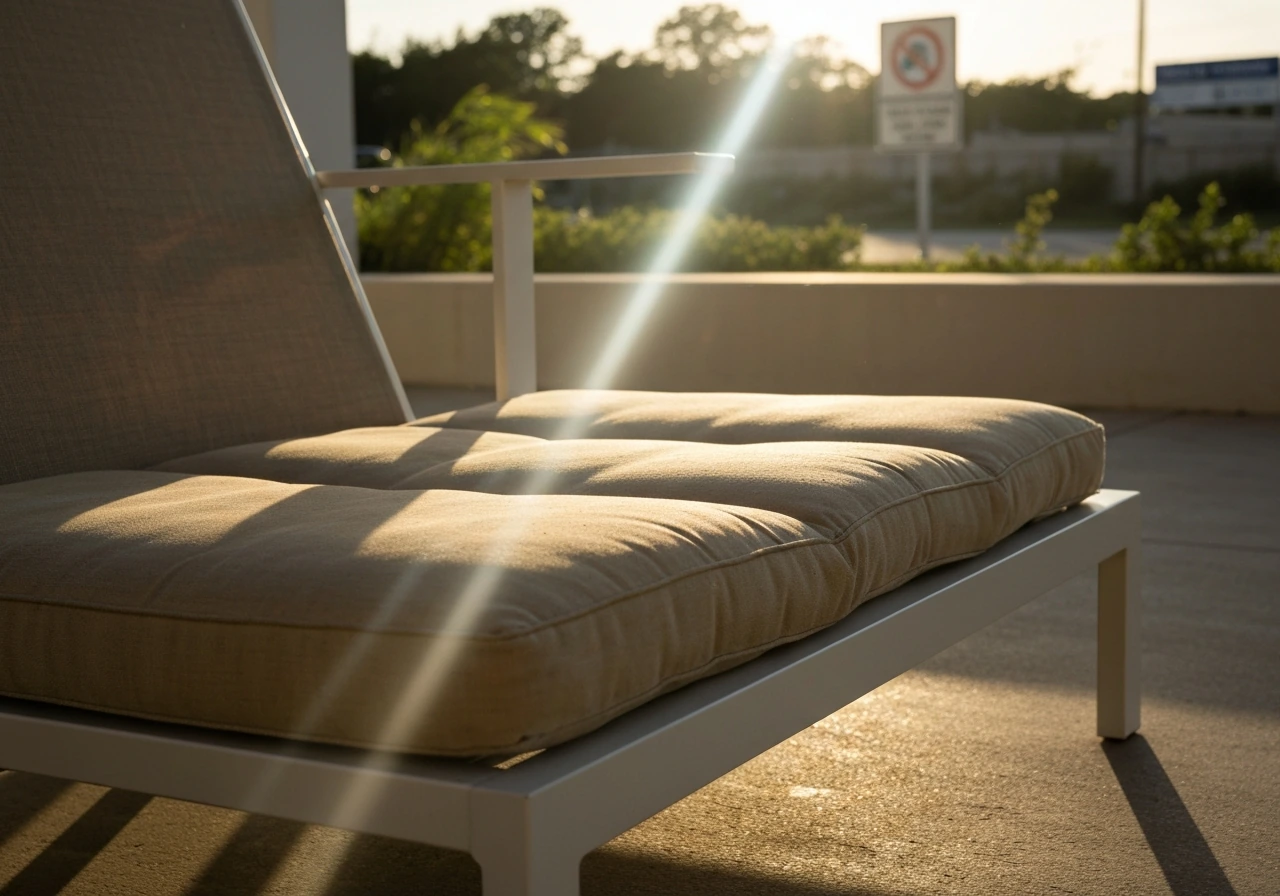
What 'lay in sun' actually means for outdoor furniture
When furniture sits in full, unshaded sun for hours every day, it faces a combination of stressors that most indoor or semi-shaded furniture was never designed to handle. UV radiation breaks down polymer chains in plastics, fades dyes, chalks paint, and embrittles rubber. Heat amplifies all of that, and the repeated cycle of scorching afternoon sun followed by cool dew at night stresses every joint, weld, and finish. Throw in occasional rain and you have the exact stress pattern that the ASTM G154 UV weathering standard tests for: 8 hours of UV at 140°F, then 4 hours of condensation, cycling over and over. Real backyards are basically running that test for free.
The failure modes to watch for are specific. Frames crack, pit, or rust at weld points. Finishes chalk and flake. Cushion fabric bleaches out and goes brittle. Foam turns to mush or grows mold. Synthetic wicker weave cracks at the bends. Knowing which materials fail first in which way helps you shop smarter instead of just buying whatever looks good in a showroom.
Best materials for sun-exposed patio furniture
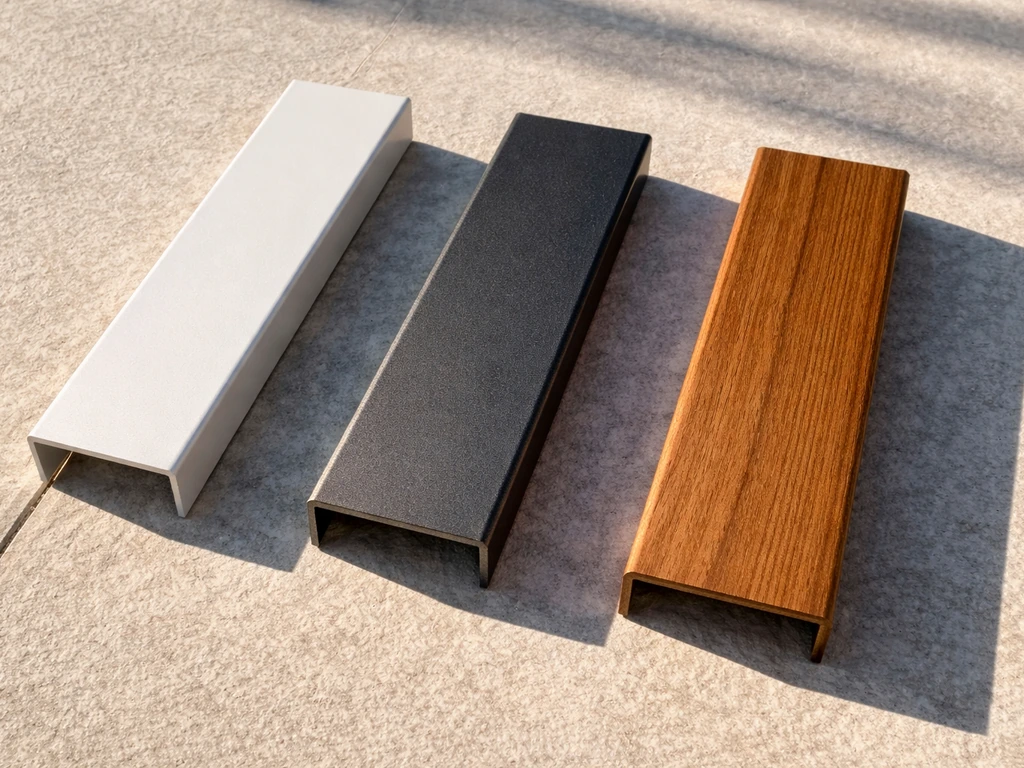
Not all outdoor furniture is built the same, and the difference in sun performance between a $400 set and a $1,200 one often comes down entirely to material choices, not just build quality. Here is how the main options stack up.
Frame materials
| Material | UV/Heat Performance | Rust/Corrosion Risk | Weight | Typical Lifespan in Full Sun |
|---|---|---|---|---|
| Powder-coated aluminum | Excellent — doesn't rust, finish holds well | Very low (non-ferrous) | Light | 10–20+ years |
| HDPE lumber (e.g., POLYWOOD) | Very good — UV-stabilizers built in; some fading expected | None | Moderate–heavy | 20 years (POLYWOOD warranty) |
| Galvanized/powder-coated steel | Good with thick coating; vulnerable at chips/welds | Moderate — rusts if coating breaks | Heavy | 5–12 years |
| Teak / hardwood | Good if oiled/sealed; grays naturally without treatment | N/A | Heavy | 7–15+ years (maintained) |
| Resin/synthetic wicker (HDPE weave) | Moderate — quality varies widely; budget versions crack | None | Light–moderate | 3–10 years depending on grade |
| Untreated pine/softwood | Poor — splits, warps, fades quickly | N/A | Moderate | 2–5 years |
Powder-coated aluminum wins for most people because it is lightweight, rustproof, and holds a clean finish for years. HDPE lumber like POLYWOOD is the right call for classic Adirondack or traditional silhouettes, and the 20-year residential lumber warranty backs that up. POLYWOOD is transparent that all colors will fade to some degree in sun, but their ColorStay UV-inhibiting compounds slow that significantly. Teak is beautiful and genuinely durable, but it needs seasonal oiling if you want it to stay golden rather than silver-gray.
Cushion fabrics
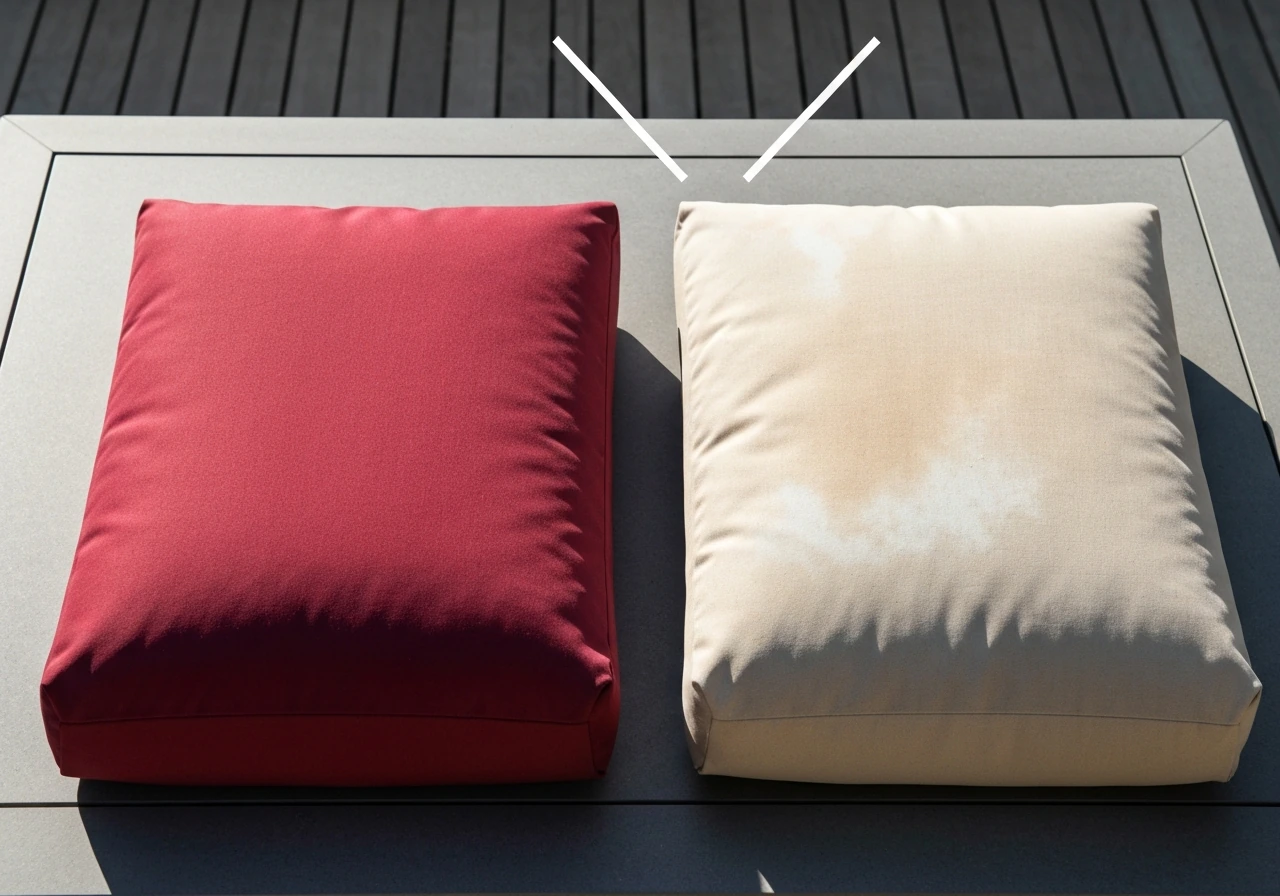
Cushion fabric is where most sun-exposed furniture fails first, and it is also the easiest place to upgrade. The gold standard is 100% solution-dyed acrylic, where color is locked into the fiber itself before weaving rather than printed or dyed onto the surface. Sunbrella backs its solution-dyed acrylic with a 10-year limited warranty covering sunlight exposure. Perennials offers a 5-year no-fade warranty on their solution-dyed acrylic. Outdura puts its fabrics through more than 1,500 hours of direct sun exposure testing before releasing them. All three resist mildew growth on the fiber itself, though mildew can still grow on dirt and residue left on the surface, which is why regular rinsing matters.
Avoid polyester cushion fabric in full-sun applications. It fades fast, sometimes within a single season, and does not respond well to bleach cleaning. Olefin is a step up from polyester but still falls short of solution-dyed acrylic for long-term UV resistance.
Cushion foam
Standard upholstery foam is a disaster in outdoor cushions. It absorbs water, stays wet for days, and breeds mold fast. Look for open-cell reticulated (quick-dry) foam, sometimes called Dry Fast foam. The open cellular structure lets water drain in minutes and allows airflow to dry the interior. This is especially important when cushions sit on a hot surface in sun, then get rained on. Brands like CushionFoamz use Dry Fast reticulated foam specifically for this reason. If you are buying replacement cushions, ask whether the foam core is reticulated or standard.
How we evaluate patio furniture for sun performance
When reviewing furniture for sun-heavy use, I look beyond the standard durability and design checklist. Here are the specific criteria I weight most heavily for this use case.
- UV and fade resistance: Does the frame finish or fabric carry a documented UV-resistance rating, warranty, or third-party test result (such as ASTM G154 exposure data)? Vague claims like 'weather-resistant' without specs are a red flag.
- Heat tolerance at contact points: Metal frames in direct sun can reach temperatures that are painful to touch. Aluminum heats less than steel; matte or lighter finishes reflect more heat than dark gloss ones.
- Coating integrity: Powder coat thickness and adhesion at weld points determine whether the frame survives years of sun-heat-rain cycling without bubbling, flaking, or developing rust spots.
- Cushion cover removability and washability: Zip-off covers that can be machine-washed or hosed down are far more practical than fixed covers when mildew or fading becomes an issue.
- Foam core type: Reticulated or quick-dry foam vs. standard foam changes mold outcomes entirely.
- Assembly hardware quality: Stainless steel or zinc-plated hardware resists rust at bolt points; standard steel hardware corrodes and can seize over a season.
- Warranty coverage for sun-specific damage: A manufacturer willing to cover sun and UV damage is backing their material claims with money.
- Customer feedback on multi-year performance: First-year reviews rarely reveal fading or cracking. I look for reviews from owners in their second or third season.
Best picks by furniture type
Patio sets (dining and conversation)
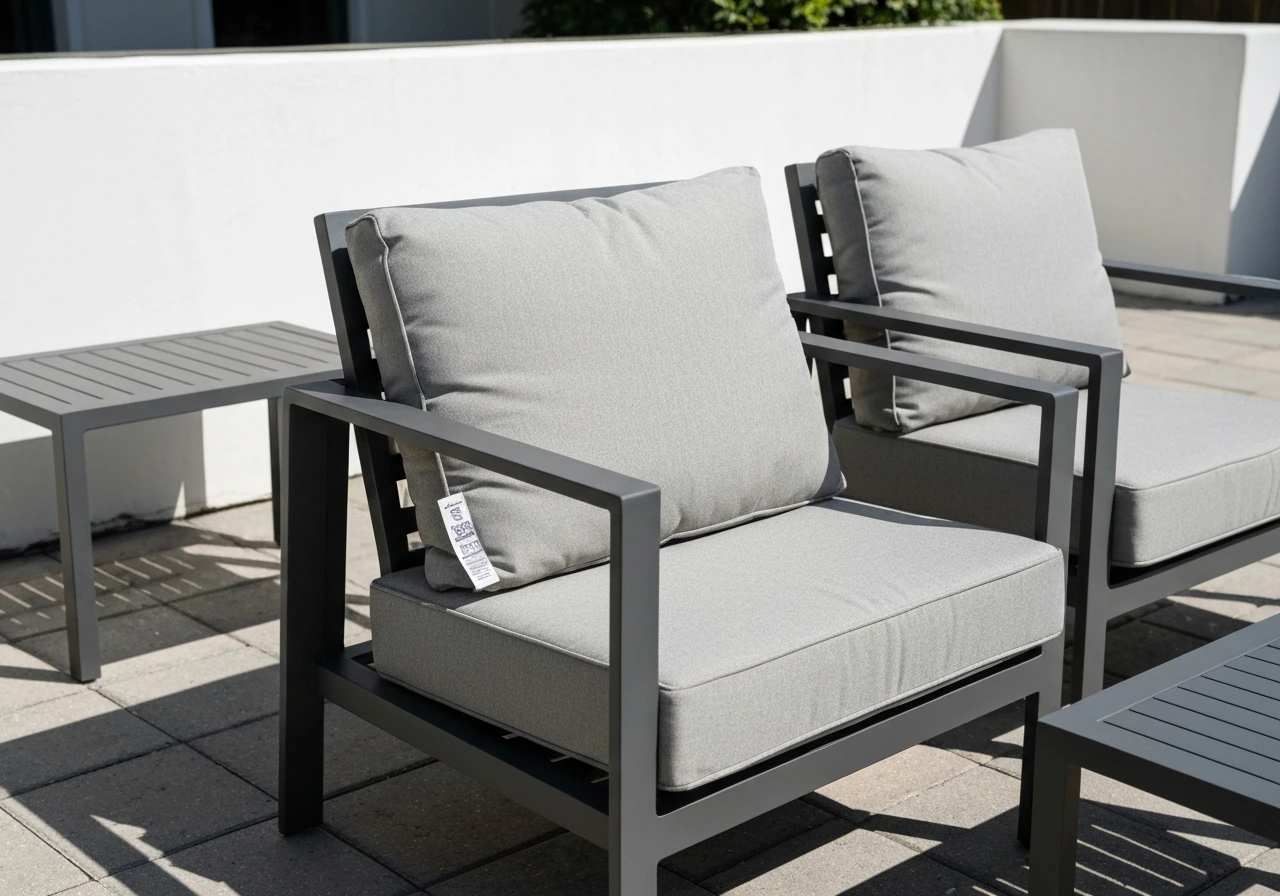
For full patio sets, powder-coated aluminum frames with Sunbrella or equivalent cushions are the most reliable combination. Look for sets where the cushion fabric is labeled solution-dyed acrylic rather than just 'outdoor fabric' or 'weather resistant.' Brands that source frames from dedicated aluminum manufacturers (rather than pressing cheaper steel into aluminum-look profiles) tend to hold up better. Cast aluminum sets are heavier and more rigid than tubular aluminum, which means less flex at joints over time. For a 5- or 7-piece dining set that will see daily sun, expect to spend $800 to $2,000 for a setup that genuinely lasts. Budget sets under $500 often pair polyester cushions with steel frames and will show degradation by year two.
Loungers and chaise lounge chairs
Loungers take the most direct, extended sun of any furniture type because people position them specifically to maximize sun exposure. For pool decks and sunbathing areas, sling-style loungers (where the seat is a tight woven mesh rather than a cushion) sidestep the foam mold problem entirely, dry in minutes, and stretch comfortably. If you prefer cushioned loungers, prioritize Sunbrella or Outdura fabric and make sure the cushion cover zips off. HDPE loungers from brands that follow POLYWOOD's approach are excellent if you want zero-maintenance material that you never need to cover or treat.
Sectionals
Sectionals are the highest-investment sun-exposure purchase because they have more fabric surface area, more cushion volume, more joints, and more hardware than any other furniture type. A sectional left in full sun daily needs to check every box: aluminum frame, solution-dyed acrylic cushions with removable zip-off covers, reticulated foam, and stainless or zinc hardware. Modular aluminum sectionals with Sunbrella cushions in the $1,500 to $3,500 range are where the performance-to-cost ratio makes sense.
At the lower end, brands like Outsunny offer sectional configurations at accessible prices, though cushion fabric quality and foam type vary by collection, so check specs before buying. Wicker sectionals with all-weather HDPE resin weave are popular and look great, but inspect weave thickness and check whether the weave is flat resin tape or round fiber, as flat tape tends to hold up better at the bends under repeated UV stress.
Replacement cushions
If your frame is solid but your cushions have faded or gone mushy, replacing just the cushions is the most cost-effective upgrade. Sunbrella replacement cushions are widely available and worth the price premium. When ordering, confirm the foam spec (reticulated vs. standard), check that covers are zip-off for cleaning, and look for a fill density that resists compression. A cushion that feels plush in the store but bottoms out after a summer of daily use is a common complaint. For sun-heavy use, a medium-firm feel holds shape longer than a super-soft fill.
Keeping sun-exposed furniture from fading, cracking, or growing mold
Good materials buy you time, but maintenance is what actually extends furniture life. Here is a realistic routine for furniture that lives in direct sun.
Cleaning cushions and fabric
Rinse cushions with a hose every two to three weeks to remove dirt and pollen. This matters because acrylic fiber does not support mildew growth on its own, but mildew will happily grow on accumulated organic residue sitting on the surface of even the best fabric. For light cleaning, a soft brush with mild dish soap works well. For mildew, Sunbrella's recommended formula is 1 teaspoon of dish soap and 1 teaspoon of bleach per 1 cup of water. Apply it, let it sit for a few minutes, scrub gently, then rinse thoroughly. Because the fabric is solution-dyed acrylic, bleach will not affect the color. Perennials fabric carries the same bleach-safe characteristic.
Protecting frames
Inspect powder-coat finish annually and touch up any chips or scratches with matching exterior paint before rust has a chance to establish. For aluminum this is mostly cosmetic, but for steel frames it is functional. If you live near the coast, rinse frames periodically to remove salt chloride deposits, which can cause pitting even on stainless-adjacent surfaces and accelerate corrosion at scratches. For HDPE lumber, there is essentially no required maintenance beyond cleaning.
Covering and storing
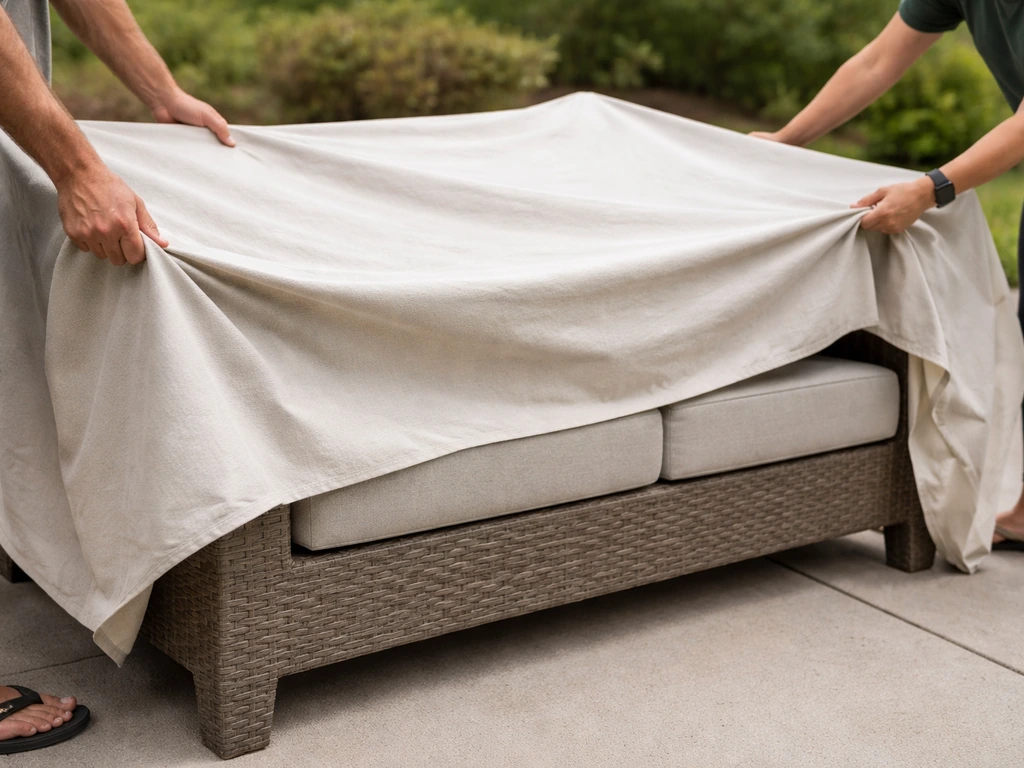
UV-resistant furniture covers extend the life of even the best outdoor materials. Use breathable covers rather than solid polyethylene tarps, which trap moisture and create exactly the hot, wet conditions mold loves. Stand cushions on edge rather than laying them flat when covered, so any trapped moisture drains. At the end of the season, store cushions indoors or in a ventilated deck box. For HDPE and aluminum frames, off-season storage is optional since they are designed for year-round outdoor exposure.
Assembly, comfort, and real-life durability tradeoffs
Assembly quality affects long-term sun durability more than most buyers realize. When you bolt together a frame and the hardware is loose-fitting or the bolt holes are slightly misaligned, joints flex under load. Every time that joint flexes, the powder coat at the stress point micro-cracks and lets in moisture. Over a summer of daily sun-to-cool-night cycling, that becomes visible rust or bubbling paint. Tight-tolerance assembly with correctly torqued hardware makes a real difference.
Comfort in sun-specific furniture often involves a tradeoff with durability. Sling fabric is more durable and dries faster than cushions, but less comfortable for long lounging sessions. Thick premium cushions feel great but add maintenance. Cast aluminum is rigid and rattle-free but heavy to move if you want to chase shade. Resin wicker looks warm and inviting but demands closer attention to weave quality for sun longevity. There is no perfect solution: the right tradeoff depends on how often you actually move the furniture, how diligent you are about covering it, and whether comfort or zero-maintenance matters more to you.
One practical note on assembly: keep the hardware bag and instruction sheet after assembly. When joints loosen after a season of thermal expansion and contraction (very common on sectionals), having the original bolt specs makes re-tightening straightforward. Stripped bolts on modular sectionals are a top complaint in multi-year reviews and are almost always caused by over-tightening at initial assembly or under-tightening that allows movement.
Budget vs. premium: where the money actually matters
Spending more on outdoor furniture is worth it in specific places and genuinely optional in others. Here is an honest breakdown.
| Feature | Budget ($200–$600) | Mid-Range ($600–$1,500) | Premium ($1,500+) |
|---|---|---|---|
| Frame material | Steel or thin-wall aluminum | Tubular or cast aluminum | Cast aluminum or HDPE lumber |
| Cushion fabric | Polyester or olefin blend | Olefin or entry-level solution-dyed acrylic | Sunbrella, Perennials, or Outdura solution-dyed acrylic |
| Foam type | Standard closed-cell foam | Basic quick-dry foam (varies) | Reticulated Dry Fast foam standard |
| Hardware | Standard steel bolts | Zinc-plated steel | Stainless steel or brass |
| UV warranty | None or 1 year | 1–3 years limited | 5–20 years (fabric and/or frame) |
| Expected sun lifespan | 1–3 seasons | 3–7 seasons | 7–20+ seasons |
The cushion fabric is where I would put extra money first. A mid-range aluminum frame with genuine Sunbrella cushions will outlast an expensive-looking set with polyester fabric. The frame investment matters second: spend on aluminum over steel, and cast over thin-wall tubular if budget allows. Hardware quality is worth verifying even on premium sets because it is a common cost-cutting point.
Brands like Gensun sit at the higher end of the market with cast aluminum and quality fabric pairings. If you are specifically looking for gensun patio furniture reviews, focus on how their cast aluminum frames and cushion fabric perform after real sun exposure. Latitude Run occupies mid-range territory with decent frame quality, though cushion fabric specs vary by product line and deserve scrutiny.
Latitude Run occupies mid-range territory with decent frame quality, though cushion fabric specs vary by product line and deserve scrutiny latitude run patio furniture reviews. Walsunny and similar value brands can deliver solid frames but often pair them with non-Sunbrella cushions.
For loungers specifically, the budget case is stronger than for sets: a well-made sling lounger in the $150 to $300 range can outlast a $700 cushioned lounger in full sun if the sling fabric quality is good. Check sling replacement availability before buying, since worn slings are the most common repair item on aging loungers.
Your next steps before you buy
Before finalizing a purchase, run through this short checklist to make sure the furniture you are considering will actually hold up in your specific conditions.
- Measure your sun exposure: note how many hours per day the furniture location gets direct sun and whether it faces south or west (most intense afternoon heat).
- Check the cushion fabric label: look for '100% solution-dyed acrylic' or specific brand names like Sunbrella, Perennials, or Outdura. 'Outdoor fabric' alone is not a spec.
- Confirm the frame material is aluminum (not 'steel with aluminum-look finish') and that the coating is powder coat, not spray paint.
- Look up the warranty terms: check whether the warranty specifically covers UV fading and sun damage, or only structural defects.
- Search for multi-year reviews: look for feedback from owners in their second or third season, not just initial impressions. Fading and frame coating failure show up in year two.
- Verify cushion cover removability: zip-off covers are a non-negotiable for ease of cleaning mildew and reapplying protective sprays.
- Ask about foam type if buying cushioned pieces: request 'reticulated' or 'quick-dry' foam specs if the listing does not specify.
The patio furniture market is crowded with options that look identical in photos but perform very differently after two seasons in full sun. Brands like Sunsitt, Outsunny, and Layinsun each occupy different parts of the value-to-performance spectrum and are worth comparing directly for your specific furniture type before committing. If you want to compare options, look up sunsitt patio furniture reviews for real-world insight into how the materials hold up in full sun.
If you are comparing options for sun-heavy spaces, check walsunny patio furniture reviews to see how the frames and cushions hold up after real-world exposure. For more details on what to expect from this brand in sun-heavy use, see the Outsunny patio furniture review guides. When you compare layinsun patio furniture reviews, focus on how their materials perform in full sun for real-world durability.
Focus on material specs over visual style, and you will end up with furniture that still looks sharp three years from now instead of faded and cracked by next spring.
FAQ
How can I tell, from a product listing, whether a cushion is actually solution-dyed acrylic or just “outdoor” fabric?
Look for exact wording like “solution-dyed acrylic” (or the brand name tied to that fabric type). If the listing only says “weather resistant,” “fade resistant,” or “polyester blend,” assume the color is surface-dyed or printed, which typically fades faster in unshaded sun.
Is it better to buy a full set with the best frame, or to upgrade cushions later?
For full sun, prioritize the cushion fabric first, then the frame. Since cushions are usually replaceable, you can keep a durable aluminum or HDPE base and swap only covers or inserts when the fabric or foam reaches end-of-life, saving money versus replacing the whole set.
Can I use a furniture cover year-round in hot, sunny climates without causing mold or mildew?
Yes, but use breathable covers and avoid sealing the furniture in. Solid tarps trap heat and moisture, especially after dew or light rain. Also prop cushions so air can circulate, and if you live in a very humid area, plan a quick mid-season check to remove any trapped dampness.
What is the most common “gotcha” with replacing patio cushions for full-sun use?
Ordering the right fabric is not enough, you must match the foam construction. Ask whether the foam core is reticulated (quick-dry) and confirm the cover is zip-off for cleaning. A cushion that feels thick in the store may still bottom out after a summer of daily compression.
If my aluminum frame is powder-coated, should I still worry about rust?
Powder-coated aluminum is largely rust-resistant, but rust can still start at scratches where bare metal is exposed or at weld points if the coating coverage is thin. Touch up chips promptly and, if you are near salt air, rinse more often to prevent salt deposits from accelerating corrosion at damage points.
Are there any finishes or materials I should avoid even if the brand claims “UV resistant”?
Avoid untreated or minimally sealed wood that is left uncovered in full sun, and avoid polyester cushion fabric if the furniture is exposed for hours daily. Also be cautious with “UV resistant resin wicker” that does not specify HDPE resin weave or weave thickness, because thin or low-density weaves tend to crack first at bends.
How do sling loungers compare to cushioned loungers for sunbathing areas?
Sling loungers usually win on maintenance because the seat dries quickly and avoids the wet, mold-prone environment that saturated cushion foam creates. If you want cushions anyway, choose solution-dyed acrylic covers with reticulated foam and removable covers, and expect you will need to rinse and air them more often.
Should I choose cast aluminum or tubular aluminum for a patio set left in direct sun?
Cast aluminum is typically more rigid and flexes less at joints, which can reduce micro-cracking in finishes over time. Tubular aluminum can work well too, but prioritize thicker-wall profiles and pay attention to assembly tightness, because flex at loose joints is a frequent reason finishes fail.
What cleaning mistakes most often shorten the life of solution-dyed acrylic cushions?
Over-scrubbing grit into the fibers and leaving residues to sit for weeks are the big ones. Stick to gentle soap and thorough rinsing, and if using bleach for mildew, follow the dilution the fabric manufacturer recommends and rinse completely so residue does not degrade the surface over time.
Does hardware rust matter if the frame material is aluminum or stainless?
Yes, because hardware often acts as the failure trigger. For long sun and occasional rain cycles, check for stainless hardware or zinc hardware, and after assembly confirm bolts are snug but not over-tightened. Over-tightening can strip bolts or deform parts, which then leads to loosening and joint flex.
When buying modular sectionals, what should I check before the first season starts?
Inspect the bolt alignment and confirm the manufacturer recommends a torque range or “tighten then check” approach. Keep the original hardware bag and instructions, then re-check fasteners after the first summer heat cycle, since thermal expansion can loosen joints and start finish breakdown.