
The best cast aluminum patio furniture for most homeowners right now comes from brands like Tropitone, OW Lee, Darlee, and a handful of mid-range options at Home Depot and Wayfair. What separates a set worth buying from one you'll regret is almost never the aluminum itself. It's the powder coat finish, the joint construction, and whether the hardware holds up after a few seasons of real weather. If you shop with those three things in mind and match the set to your actual climate and patio size, you'll make a good call. Everything below is designed to help you do exactly that.
Cast Aluminum Patio Furniture Reviews: What to Buy

Grant Hollis
7 Jun 2026
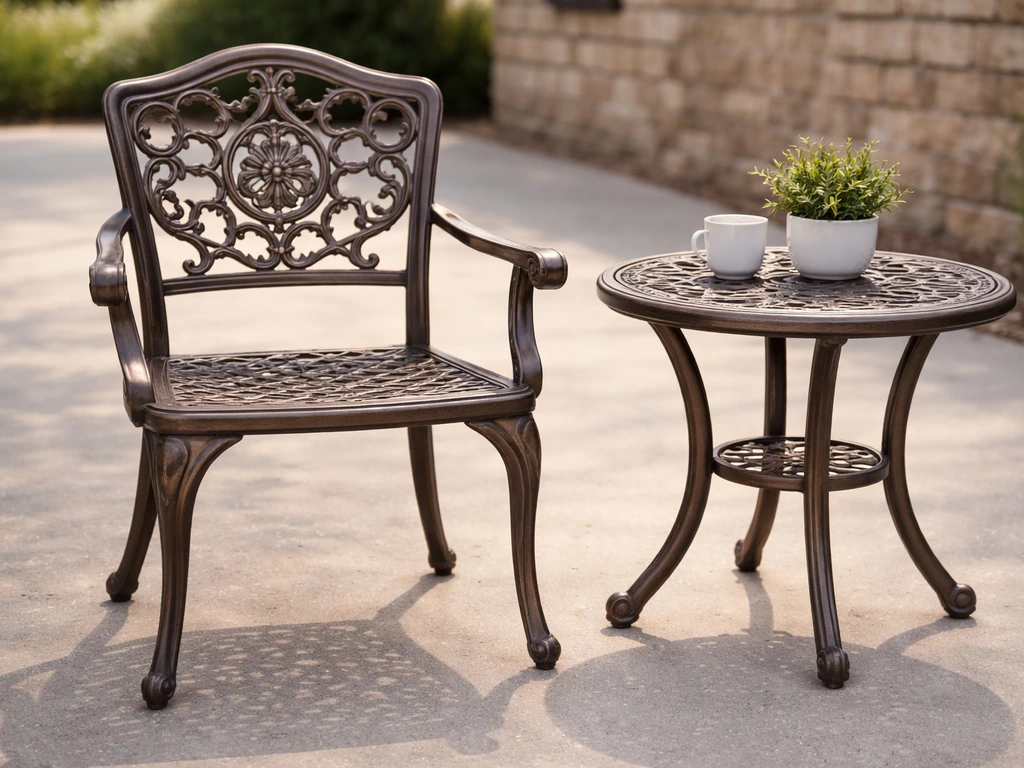
What cast aluminum patio furniture actually is (and why it's not just 'aluminum furniture')
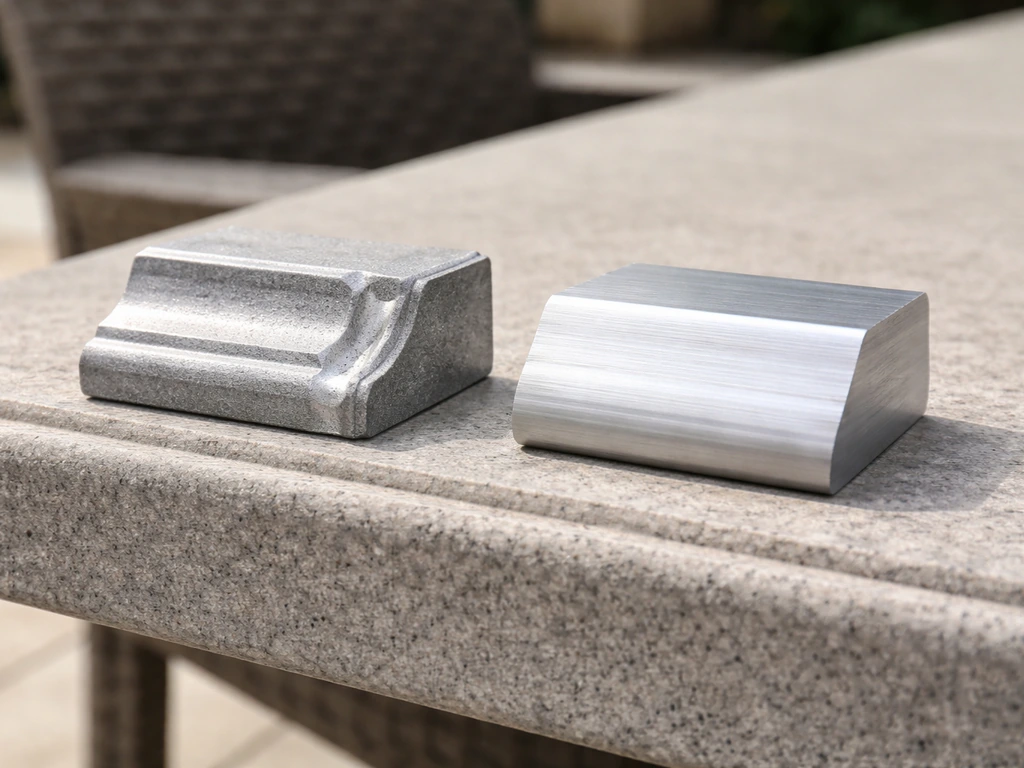
Cast aluminum is made by pouring molten aluminum into molds, which is a fundamentally different process from extruded or tubular aluminum furniture. Because the metal fills a shaped mold, the manufacturer can create thick, complex shapes, ornate scroll details, and robust joint sections that simply aren't possible with thin-wall tubing. The result is a heavier, sturdier piece that visually mimics wrought iron without the weight penalty or the rust risk. A good cast aluminum chair might weigh 15 to 25 pounds, where a comparable tubular aluminum frame might come in under 10. That extra mass is mostly a feature, not a bug.
The reason this distinction matters when reading reviews is that 'aluminum patio furniture' is a massive category. Tubular aluminum, extruded aluminum, sling aluminum, and cast aluminum all get lumped together in search results and even on retailer pages. Reviews for a lightweight sling chair don't tell you much about whether a cast dining set will hold up. When you're reading through reviews, always confirm you're actually looking at cast aluminum, not a powder-coated steel frame or a thin-wall extruded piece with decorative casting only at the joints.
How to read cast aluminum patio furniture reviews without getting misled
Most review pages are a mix of useful signal and noise. The useful part is buried in the one-star and two-star reviews, and in the long four-star reviews where someone loves the look but flags a specific problem. Here's what I look for when I'm sorting through reviews on Home Depot, Wayfair, or a brand's own site.
Coating and finish complaints
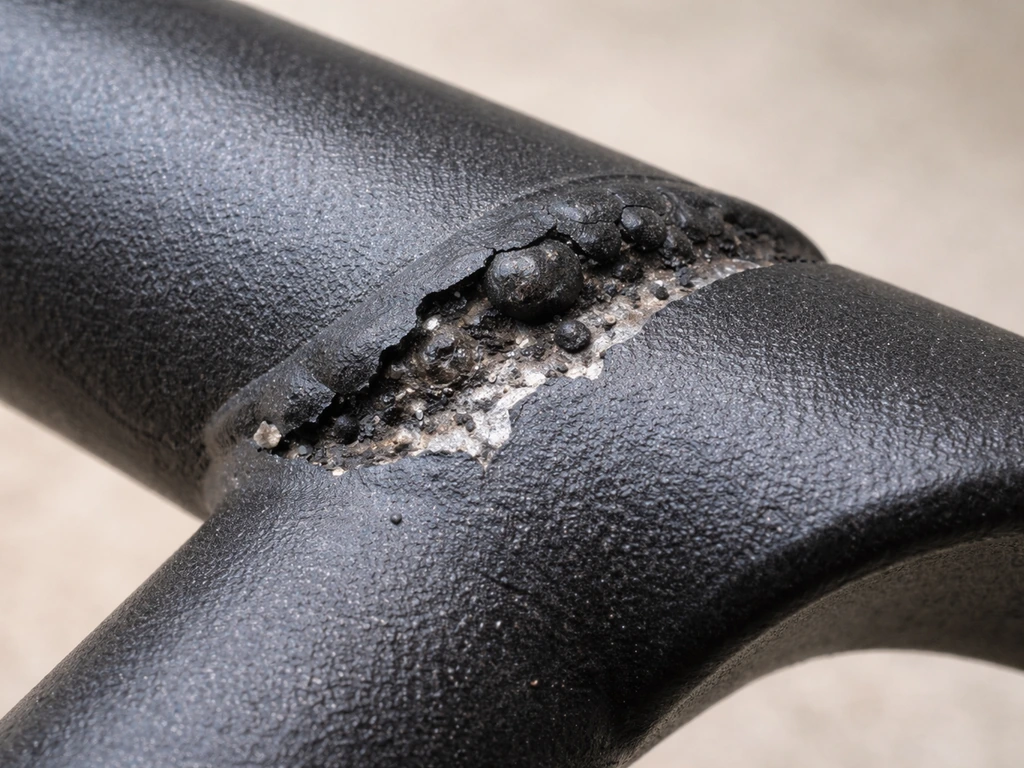
Finish failures are the most common complaint in cast aluminum reviews, and they're the most predictive of long-term durability. Look for words like 'peeling,' 'bubbling,' 'chipping,' or 'fading after one season. ' These are red flags for a poor powder coat process. A properly applied powder coat involves cleaning the raw casting, a chemical pre-treatment, a primer layer, the powder coat itself, and then curing in an oven.
Budget manufacturers skip steps, and the coating fails faster. One specific risk with cast aluminum is outgassing: because the casting is porous, gas can escape during the curing process and cause bubbling beneath the finish. Good manufacturers do a pre-bake before coating to prevent this. Reviewers describing bubbles near joints or at decorative details are often describing exactly that failure.
Assembly and hardware issues
Hardware complaints are almost always a signal about long-term stability, not just assembly frustration. Reviews for Nuu Garden cast aluminum sets, for example, specifically mention that a socket wrench is nearly required to get hardware tight enough to prevent wobble, and that assembly instructions were unclear about the correct washer and lock washer order. Those are real ownership signals. A set that wobbles after initial assembly will wobble more after a year of weather exposure and seasonal movement. Look for reviews that mention whether the furniture stayed tight over time, not just whether it was easy to put together.
Structural vs cosmetic complaints
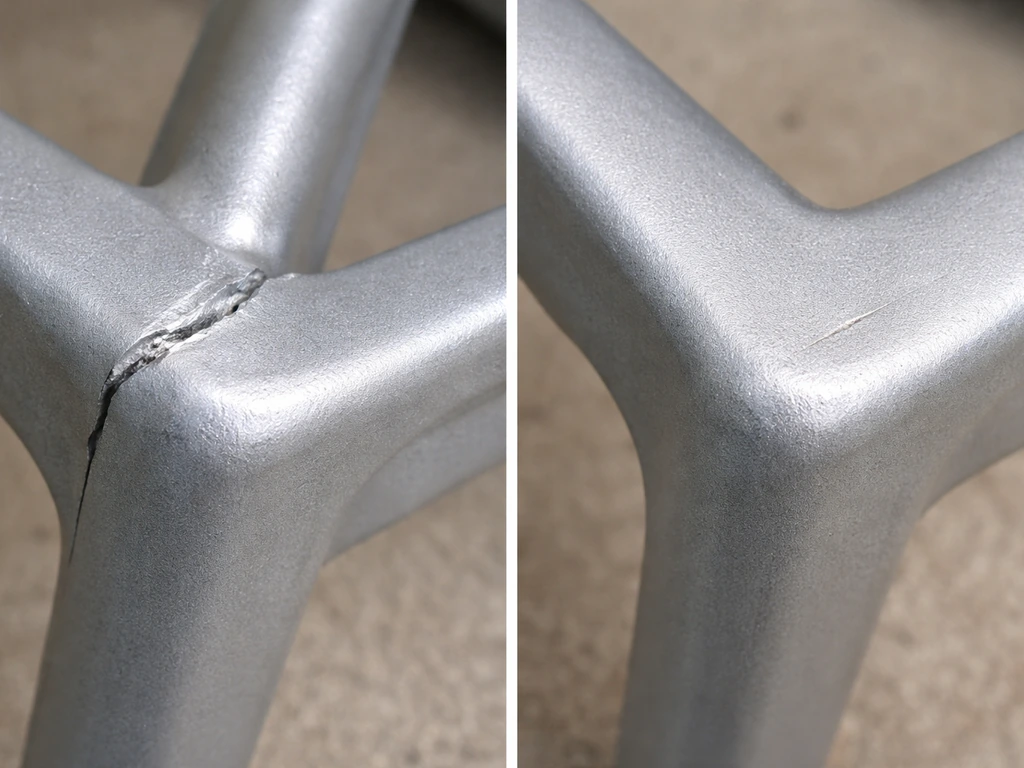
There's an important difference between a structural failure (a joint cracks, a leg collapses, a weld separates) and a cosmetic one (a surface mark, a small scratch from shipping, slight color variation). Tropitone's warranty documentation actually flags this explicitly, noting that surface imperfections highlighted by smooth finishes are excluded from coverage because they're cosmetic, not structural. When you read a negative review, ask yourself: is this person describing a piece that failed to hold together, or are they frustrated about aesthetics? Both matter, but structural failures are the deal-breaker.
Durability and real-weather performance
Aluminum doesn't rust the way steel or iron does. There's no iron oxide (red rust) to worry about. What you do get, in the absence of a good protective coating, is oxidation: a dull, chalky, white-gray surface that looks bad and indicates the metal is degrading. More importantly, the coating itself can fail. UV exposure is the main culprit for fading and chalking. Moisture, salt air, and chlorine from pool splash-zones accelerate the breakdown of cheaper coatings, especially at joints and edges where the coating is thinner or where two pieces of metal flex against each other.
The pits and weld seams on cast aluminum are where environmental damage concentrates. Even without visible rust, uncoated or poorly coated pitting near joints creates structural weak points over time. This is why the powder coat finish isn't just a cosmetic choice. It's the primary protection layer.
A quality multi-step powder coat applied over properly prepared cast aluminum should resist cracking, peeling, and excessive fading through normal outdoor exposure. Highpoint Powder Coating’s warranty coverage similarly describes coated parts as protected against cracking, peeling, and excessive fading due to normal climatic exposure resist cracking, peeling, and excessive fading through normal outdoor exposure.
Premium brands like Tropitone back this with 15-year frame warranties covering structural failure under normal use. Budget brands typically offer one to three years, if anything.
Coastal and pool environments
If you're within a mile or two of the ocean, or if the furniture will sit near a chlorinated pool, coating quality jumps from 'important' to 'critical.' Salt air and pool chemistry are both aggressive toward coatings. In these environments, you want a brand that explicitly tests or warranties for coastal conditions, not just generic outdoor use. Darlee and OW Lee both have strong reputations in high-humidity and coastal settings, and Tropitone has a long track record in resort and pool-deck applications. Budget sets in salt environments will show coating breakdown within one to two seasons in most cases.
Comfort, design, and quality checks before you buy
Comfort in cast aluminum furniture is more variable than most buyers expect. Because the pieces are molded, manufacturers can shape the seat and back geometry however they want, but they don't always get it right. The key specs to look for are seat height (typically 17 to 19 inches for dining chairs), seat depth (16 to 18 inches for dining, 20 to 24 inches for deep-seating lounge chairs), and arm height (roughly 26 to 28 inches for dining).
If a product listing doesn't provide those specs, that's itself a warning sign. A cast aluminum chaise lounge should publish its seat depth so you can confirm you'll actually fit comfortably. On the Monarch Chaise Lounge page, Viking Casual provides a specific seat-depth-style measurement so you can validate comfort expectations before buying seat depth so you can confirm you'll actually fit comfortably.
Weight is a proxy for quality in cast aluminum. Thicker castings use more metal and produce a heavier piece that feels more substantial and holds up better over time. A dining chair under 12 pounds in cast aluminum should be treated skeptically. A solid cast aluminum dining chair typically runs 18 to 25 pounds. That weight also helps in windy conditions. Lightweight aluminum sets can shift or tip in moderate wind, while heavier cast aluminum pieces stay put without needing to be anchored.
Cushions deserve their own evaluation. Most cast aluminum sets include cushions, but the quality varies enormously. Look for cushion fabric rated for outdoor UV exposure (solution-dyed acrylic like Sunbrella is the benchmark), foam density of at least 1.8 lb per cubic foot for durability, and welted seams rather than simple stitched edges. Cheap cushions will fade, compress, and mildew faster than the aluminum frame ever degrades. Even if you're buying a budget set, upgrading the cushions is often worth the additional investment.
Budget vs premium: what the price difference actually buys you
Cast aluminum patio furniture spans a wide range from around $200 for a bistro set to $3,000 or more for a full premium dining set. The table below breaks down what you're actually getting at each price tier.
| Price Tier | Typical Brands | Powder Coat Quality | Frame Warranty | Hardware Quality | Cushion Included |
|---|---|---|---|---|---|
| Budget ($150–$400) | Nuu Garden, HOMEFUN, generic import brands | Single-step, thinner coat, outgassing risk | 1–2 years or none | Basic bolts, prone to loosening | Polyester fabric, thin foam |
| Mid-Range ($400–$1,200) | Allen + Roth, Better Homes & Gardens, some Wayfair exclusives | Multi-step, more consistent, decent UV resistance | 2–5 years | Stainless or zinc-coated hardware | Improved fabric, sometimes Sunbrella-grade |
| Premium ($1,200–$3,000+) | Tropitone, OW Lee, Darlee, Woodard | Commercial-grade, pre-baked, full multi-step process | 10–15 years on frame | Stainless steel, captive hardware | Sunbrella or equivalent, high-density foam |
The honest take is that budget cast aluminum sets can look great for one to three seasons, and if you're furnishing a rental property or you know you'll want to refresh the look in a few years, they can be a reasonable choice. But if you're buying for a primary home patio and you want something that holds up for a decade without recoating or replacing hardware, the premium tier is where the value actually lives.
Darlee in particular sits at the upper mid-range and delivers near-premium coating quality at prices that are more accessible than Tropitone or OW Lee. If you want the practical takeaway, look for a Darlee patio furniture review that goes beyond specs and covers real durability, coating performance, and comfort over time. For deep-dive coverage on specific brands, Darlee, OW Lee, and Allen + Roth each have dedicated review breakdowns worth reading alongside this guide.
One thing that doesn't move the needle much at any price tier: decorative detail complexity. More scrollwork and ornamental casting looks impressive in photos but doesn't correlate with durability. What matters is coating prep, joint thickness, and hardware quality. A simpler design from a reputable brand will outlast an elaborate design from a budget manufacturer every time.
Assembly reality, cleaning, and making it last
Assembly
Most cast aluminum sets ship partially disassembled, and the assembly experience varies by brand. Budget sets like Nuu Garden and HOMEFUN consistently generate reviews about unclear instructions, missing hardware, and the need for tools that aren't included (specifically, a socket wrench to get hardware tight enough). Plan on 30 to 60 minutes per chair for a budget set, and have a socket wrench set on hand even if the instructions say only hand tools are needed. For premium brands, assembly is typically more intuitive and hardware quality is higher, but it's still not tool-free.
A specific assembly tip that saves headaches: check every bolt for tightness after 30 days of use. The combination of first use, weather cycling, and initial settling means hardware that felt tight on day one can develop play within the first month. A quick torque check on all fasteners in that first season will extend the life of the furniture significantly.
Cleaning and finish care
Cast aluminum doesn't need a specialized cleaner for routine maintenance. Mild dish soap and warm water with a soft cloth handles most dirt, pollen, and surface buildup. Rinse thoroughly afterward so soap residue doesn't dull the finish. Tropitone's care guidelines recommend this as the standard periodic cleaning regimen, and it applies broadly to quality cast aluminum from any brand. Avoid abrasive scrubbers, steel wool, or harsh chemical cleaners, all of which can scratch or chemically attack the powder coat.
Once or twice a year, especially heading into and out of winter, inspect the finish carefully around joints, edges, and any areas where the coating might have been nicked or scratched. Small chips in the powder coat are worth addressing quickly with touch-up paint (most quality brands sell matching touch-up) because exposed aluminum in a damaged area will oxidize and can undermine the surrounding coating. Cushions should be stored indoors or in a waterproof storage bag during extended rain or winter. Even UV-rated outdoor fabric will last longer when it's not unnecessarily soaked and then dried repeatedly.
Longevity expectations
A budget cast aluminum set with basic care should last four to seven years before finish degradation becomes significant. A premium set from Tropitone, OW Lee, or Darlee, properly maintained, realistically delivers 15 to 20 years of service. The frame itself will almost certainly outlast the cushions and potentially the finish, which is why reputable brands sell replacement cushions and touch-up coatings as accessories.
What to buy based on your actual situation
Different patios have genuinely different requirements, and a one-size recommendation doesn't serve anyone well. Here's how to match the choice to your conditions.
- Covered porch or screened lanai: You have the most flexibility here. UV and rain exposure are reduced, so even a well-made mid-range set will hold up well for years. Focus your budget on comfort and aesthetics over coating specs. Allen + Roth and similar mid-range options are solid choices.
- Exposed poolside: Prioritize coating quality above everything else. Chlorine splash and humidity are aggressive. Darlee and OW Lee have the best track records for pool-deck environments without requiring premium Tropitone pricing. Avoid budget sets in this application.
- Coastal or salt-air environment: This is where you want to invest in premium. Tropitone and OW Lee both have resort-industry track records in coastal installations. Expect to clean more frequently (monthly rather than seasonally) and inspect the finish at joints twice a year.
- Windy patio or rooftop: Weight is your friend. Stick to heavier cast aluminum sets (chairs 20+ pounds each) and avoid bistro sets with large flat surfaces that act as sails. Full deep-seating sets or solid dining sets with substantial frames handle wind much better than lightweight options.
- Small patio or balcony: A cast aluminum bistro set (two chairs and a small round table) is the ideal format. Nuu Garden's three-piece bistro sets are a reasonable budget entry point, but go in knowing the assembly requires extra tools and the coating is a step down from mid-range. If budget allows, Darlee's bistro offerings are a meaningful step up in finish quality.
- Large outdoor dining (6–10 seats): This is the use case where premium brands pay off the most. A 10-piece dining set from a budget brand will cost you significantly in hardware maintenance and eventual refinishing. A Tropitone or Darlee dining set at the same investment timeline is almost certainly cheaper over ten years.
The clearest next step after reading reviews is to narrow your list to two or three sets, then look up each one specifically in the one and two-star reviews at Home Depot, Wayfair, or the manufacturer's site. Filter for reviews that mention your specific concern, whether that's finish durability, coastal use, or assembly difficulty. That targeted reading will confirm or rule out a candidate faster than any summary comparison.
And if you want to go deeper on specific brands, dedicated reviews for Darlee, OW Lee, Allen + Roth, and powder-coated aluminum sets are worth a read before you finalize your choice. If you are specifically looking for darlee cast aluminum patio furniture reviews, focus on finish durability, joint hardware, and whether reviewers mention problems after a full season.
If you want to go straight to product feedback, start with specific ow lee patio furniture reviews focused on coating durability, assembly, and long-term comfort. If you want to compare finishes more precisely, these powder coated aluminum patio furniture reviews can help you spot recurring coating and fading issues.
FAQ
If a product listing just says “aluminum patio furniture,” how can I tell whether I’m actually buying cast aluminum?
Not necessarily. If the vendor listing labels the furniture as “aluminum” but the reviews complain about peeling, bubbling, or fading, that usually points to a powder coat problem on cast or extruded pieces. Confirm it by looking for wording like “cast aluminum” or visible thick, molded details, and avoid sets where the description is vague but the complaints are finish-specific.
How do I know whether a coating complaint is a shipping issue versus a long-term durability issue?
Yes, especially if the set is heavy but still arrives with loose components. Even with good castings, powder coat failures can be caused by damaged coating during shipping, or hardware that shifts and rubs at joints. Check review photos for scratches at weld seams or decorative edges, then cross-check whether people mention coating issues after normal weather, not only “arrived damaged.”
Is it worth buying cast aluminum if replacement cushions or touch-up paint might be hard to find later?
Treat replacement parts as a buying criterion. If reviewers mention difficulty finding replacement cushions, bolts, or touch-up paint, that’s a practical cost and maintenance risk even when the frame holds up. Prioritize brands that sell cushion replacements and offer matching touch-up coatings, because the frame often outlasts the textiles and small finish chips.
What should I do if reviews say the set is stable when assembled but shifts in wind?
It can, and wind matters more than most people expect. If reviews describe the chairs or table wobbling in moderate breezes, that’s often a stability and hardware issue, not just a comfort one. Use the weight guidance as a filter (for dining chairs, generally avoid very light pieces under about 12 pounds) and check whether the set needs anchoring for your patio conditions.
Can I fix peeling or bubbling powder coat myself, or should I expect to use warranty support?
Yes, but do it carefully and based on what the damage is. For small chips at edges or joints, touch-up paint is useful to prevent oxidation from spreading. If the coating is bubbling or peeling, scraping and repainting is not the same as proper factory curing, so the better move is to treat it as a warranty candidate and address it early.
What if a cast aluminum set looks comfortable in photos but I worry I will not fit well?
Not always, and seat comfort can be off even when specs look right. If the listing lacks seat depth, seat height, or arm height, reviews sometimes reveal fit problems like legs pressing into the front rail or chairs feeling too shallow for lounging. Measure your patio users and compare to published dimensions, especially for dining chairs (depth) and chaises or lounge seating (depth).
How do I interpret hardware-related reviews without overreacting to assembly gripes?
Hardware complaints can be “user fixable” or “design flaw,” and reviews usually tell you which. If people mention the wrong washer order, missing lock washers, or needing a socket wrench to stop wobble, that’s an assembly-to-stability pathway. If it stays loose after the first month, expect it to stay loose, so prefer sets with reviews that confirm staying tight over seasons.
How much do cushion quality issues change the overall cast aluminum furniture “lifespan”?
Mixing and matching cushions affects how “durable” the furniture feels, even if the frame is fine. If cushion fabric is not UV-rated and the foam is low density, you will get fading, compression, and mildew sooner, which makes the set look worn long before the frame does. If you buy a budget set, plan either on higher-quality included cushions or an upgrade.
Do coastal locations and pool proximity change what I should look for in cast aluminum reviews?
You usually should, especially if you live in an area with salt air, pool splash zones, or heavy humidity. The same frame can last much longer with better coating and better care, but salt and chlorine accelerate coating breakdown at joints and flex points. Look for brands that explicitly support coastal or pool-deck use, not just generic “outdoor” claims.
If I buy a premium cast aluminum set, what maintenance is still necessary to get the best lifespan?
A heavier set is generally a plus, but it is not a substitute for maintenance. Cast aluminum needs routine cleaning to remove residue that can dull the finish, and you should inspect for chips at joints and edges before small damage expands. Also, store cushions properly because repeated wet-dry cycles shorten cushion life even when the frame stays intact.
Which review signals are most important for identifying long-term problems after multiple seasons?
Yes, and it changes what you should read for. For cast aluminum, one-star and two-star reviews that mention bubbling near joints, peeling, or bubbling in decorative areas are often the most predictive. If you live in a freeze-thaw region, also scan for cracks or looseness after winters, since movement can reveal weak hardware or coating at seams.